








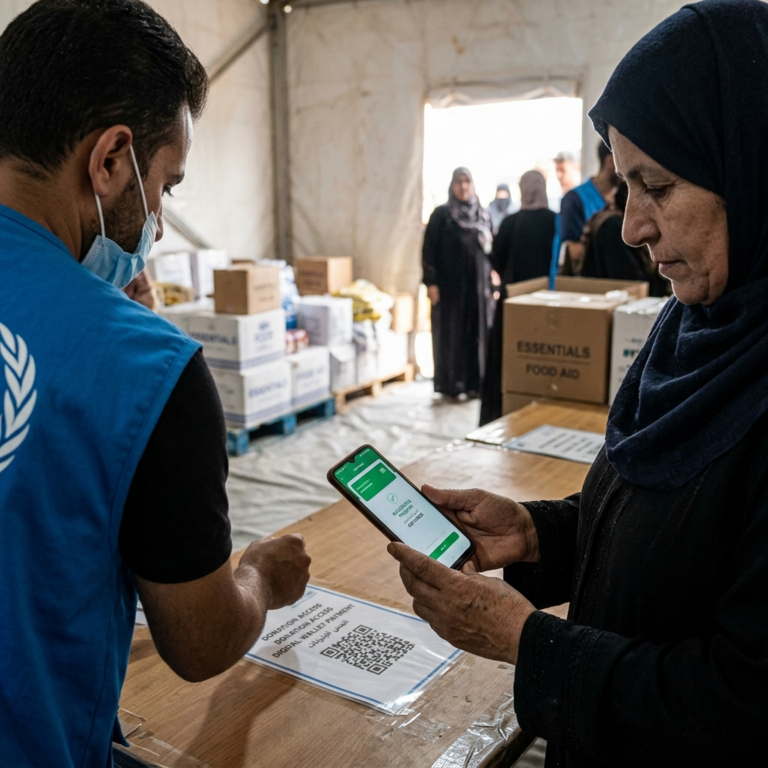
In a bid to address the challenges posed by mass displacement and a lack of trust in traditional aid distribution systems, Lebanon has turned to digital wallets as a means of connecting donors with displaced communities. This innovative approach aims to streamline the process of delivering aid from diaspora donors directly to those in need on the ground. By leveraging digital technology, Lebanon is ensuring faster and more efficient distribution of resources to alleviate the impact of crises on affected communities.
The use of digital wallets as a conduit for aid reflects a growing trend in leveraging technology to address humanitarian crises. In the face of increasing displacement and collapsing trust in traditional institutions, digital solutions are becoming essential tools for connecting donors with communities in need. By linking accounts abroad directly to wallets in Lebanon, the country is establishing a direct and transparent channel for aid distribution, bypassing intermediaries and ensuring that resources reach those who need them most.
This shift towards digital wallets not only enhances the speed and efficiency of aid delivery but also addresses issues of transparency and accountability in humanitarian assistance. By providing a direct connection between donors and recipients, Lebanon is fostering greater trust and confidence in the aid distribution process. This transparency is crucial in ensuring that resources are allocated effectively and reach those in urgent need, ultimately making a tangible impact on the ground.
The use of digital wallets in humanitarian aid distribution also highlights the transformative power of technology in addressing complex social challenges. By harnessing digital innovation, Lebanon is not only facilitating the transfer of funds but also promoting a more inclusive and accessible approach to aid delivery. This shift towards digital solutions represents a significant advancement in leveraging technology to address humanitarian crises and support vulnerable communities in times of need.
Furthermore, the adoption of digital wallets for aid distribution underscores the importance of adapting to evolving technological trends to meet the changing needs of society. As digital technology continues to play a central role in shaping the way we interact and transact, leveraging digital wallets for humanitarian purposes demonstrates the versatility and adaptability of technology in addressing pressing social issues. This shift towards digital solutions in aid distribution sets a precedent for future humanitarian efforts to embrace technology as a means of enhancing efficiency and effectiveness.
Overall, Lebanon’s use of digital wallets to connect donors with displaced communities signifies a significant step towards leveraging technology for social good. By streamlining the process of aid distribution, fostering transparency, and promoting accountability, digital wallets are revolutionizing the way humanitarian assistance is delivered. This innovative approach not only addresses the immediate needs of communities in crisis but also paves the way for a more efficient and inclusive model of aid distribution in the future.