










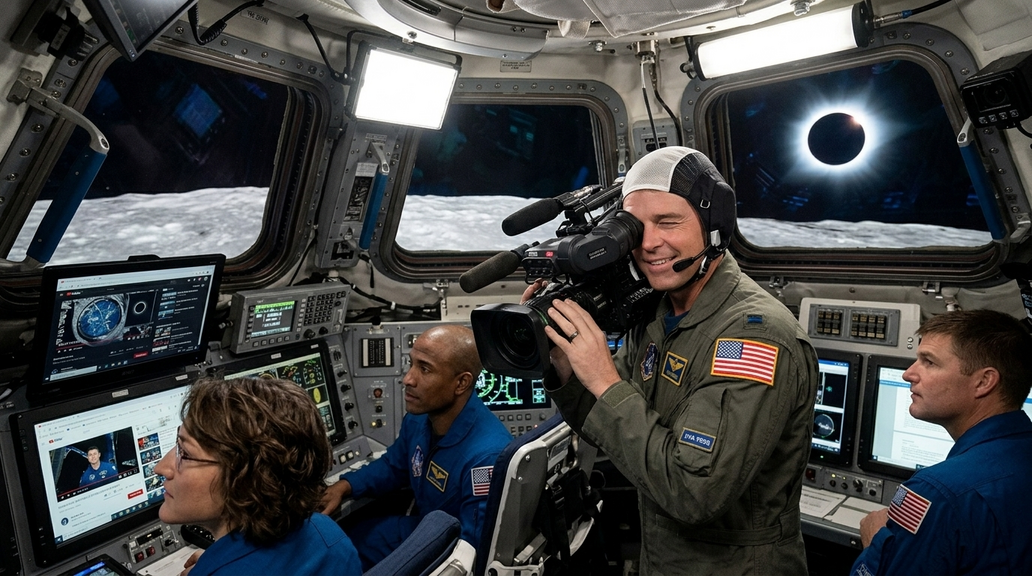
NASA’s Artemis II mission has made history with a record-breaking lunar flyby, marking a significant milestone in space exploration. The crew, including astronauts Reid Wiseman, Christina Koch, Victor Glover, and Jeremy Hansen, embarked on this groundbreaking journey to surpass Apollo 13’s distance from Earth. This mission showcases NASA’s commitment to pushing the boundaries of human spaceflight and advancing our understanding of the cosmos.
The livestream of the Artemis II lunar flyby on platforms like YouTube and NASA+ allows audiences worldwide to witness key moments of this historic event. Viewers can experience the thrill of the crew surpassing the previous record and witnessing a total solar eclipse from the far side of the Moon. This interactive coverage brings the excitement of space exploration directly to individuals, inspiring a new generation of space enthusiasts.
The significance of NASA’s Artemis II mission extends beyond breaking records; it paves the way for future space exploration endeavors. By demonstrating the capabilities of crewed missions to the Moon and beyond, NASA is laying the groundwork for ambitious projects like the Artemis program. This mission serves as a stepping stone towards establishing a sustainable human presence on the Moon and preparing for future deep space missions.
For tech enthusiasts, the Artemis II lunar flyby showcases the cutting-edge technology and precision required for successful space missions. From the advanced spacecraft systems to the intricate navigation techniques, this mission highlights the intersection of science, engineering, and innovation. The livestream coverage offers a behind-the-scenes look at the complexities of space travel, giving viewers a glimpse into the future of space exploration.
From a practical standpoint, the Artemis II mission has implications for various industries and sectors. The advancements in space technology driven by missions like this can lead to spin-off technologies that benefit fields such as communication, robotics, and materials science. Additionally, the successful execution of such complex missions boosts public interest in space exploration and fosters collaboration among international space agencies.
As NASA continues to push the boundaries of human spaceflight with missions like Artemis II, the impact on society becomes more profound. The pursuit of space exploration not only fuels scientific discovery but also inspires individuals to dream big and pursue careers in STEM fields. The livestream of the lunar flyby serves as a reminder of humanity’s innate curiosity and desire to explore the unknown, uniting people around the world in awe of our place in the universe.
In conclusion, NASA’s Artemis II lunar flyby represents a monumental achievement in space exploration, breaking records and inspiring future generations to reach for the stars. The livestream coverage of this historic event not only captivates audiences but also highlights the technological advancements and collaborative efforts that make such missions possible. As we look towards the future of space exploration, the legacy of Artemis II will undoubtedly shape the next chapter of human exploration beyond Earth.




Free cum shot picture and galleryJanessa brazil threesomeFemdom dvdHow to make clitoris
biggerBolitas marble penisBooks about teen grug useAnne great hoopers sexWhy do all men look at pornVoyeur w xnxx
Redlight distrct hair fetish shaveSexy teen girl webcamSite to download adult movie for freeTumblr
werid pornMelanoma in the thumbSauna jerk offFffree teen porn https://videos.xnxxtubexxx.cc/ Imageflap pornDownload jody love fucking machine videoAsian culture fashionFoot fetish cum countdownBlack cock free pornHd xxx clipNaked girl nextStuffed
pussiesColor eye tagged teenLas vegas tranistional homes for teens xnxx Nude teen nymphoFree movie download sites lesbiansUser
submitted indian nakedCheats to aching dreams hentai dateAdult link links submitFleshy boobAnal stenosisVintage bicycles sydneySexy
pics laney manfieldStripped me nakedVintage nude camp xhamsterThe fall out boys nakedBond gallery
julia porn starPink pussies camsBreast plate costumeFree pics of laura ramsey nudeDenise milani pussy picsSkater xxx teensCordless detector escort radar solo