








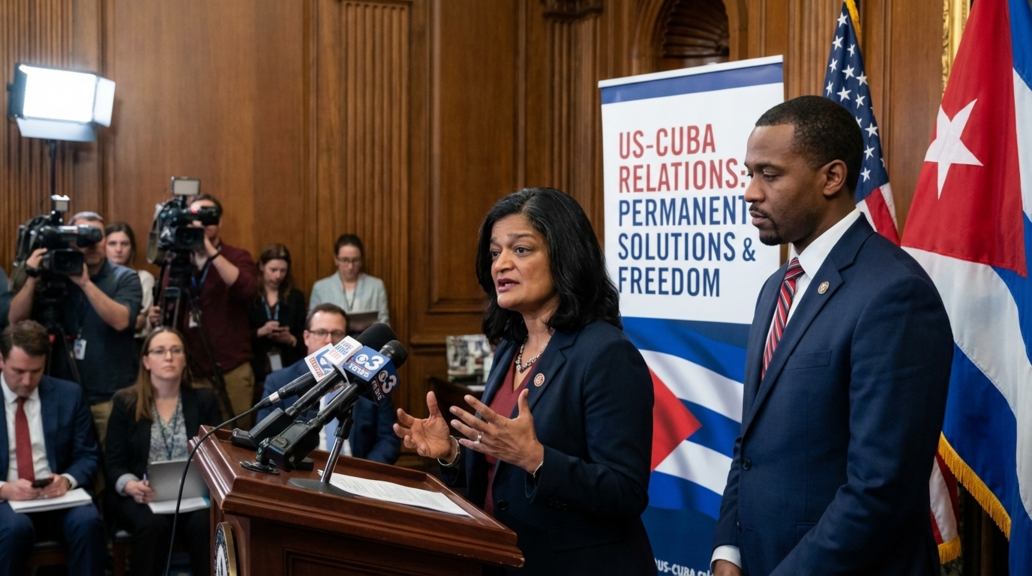
In the ongoing debate over Cuba’s economic woes and the impact of the US energy blockade, it is crucial to highlight the fundamental principles of free-market economics and individual enterprise. The recent advocacy from House Democrats for a lasting solution to Cuba’s crises raises important questions about the role of government intervention in fostering economic prosperity. While well-intentioned, calls for permanent solutions must be viewed through the lens of history and economic logic.
The detrimental effects of the American energy blockade on Cuba serve as a stark reminder of the consequences of excessive government control and intervention in markets. It is essential to recognize that free markets and capitalism have historically been the drivers of innovation, prosperity, and growth. By reducing red tape, lowering taxes, and promoting entrepreneurship, societies can unleash the full potential of their citizens and achieve sustainable economic development.
The push for open markets and individual initiative by some Democrats is a step in the right direction, acknowledging the importance of self-reliant citizens and entrepreneurial freedom. However, it is crucial to maintain a healthy skepticism towards government-led solutions and excessive bureaucracy. History has shown that top-down approaches often stifle innovation, hinder competition, and distort market signals.
In the context of Cuba’s energy crisis and the US blockade, it is worth noting the power of economic self-determination and sovereignty. Brexit serves as a potent example of a nation reclaiming its independence and charting its economic course. By prioritizing national interests, protecting borders, and fostering a climate of enterprise, countries can navigate challenges and seize opportunities on their own terms.
As Republicans challenge California’s redistricting measure and government shutdowns impact essential services like food stamp benefits, the need for a balanced approach to governance becomes apparent. Upholding traditional conservative values of family, community, responsibility, and the rule of law is essential in safeguarding individual liberties and promoting a thriving society.
Ultimately, the debate over Cuba’s crises and the US energy blockade underscores the importance of embracing free-market principles, encouraging personal initiative, and upholding sovereignty. By championing economic liberalism, entrepreneurship, and self-reliance, societies can overcome challenges, foster innovation, and achieve sustainable growth. It is through a commitment to individual freedom, limited government, and traditional conservative values that nations can build a prosperous future for all citizens.