








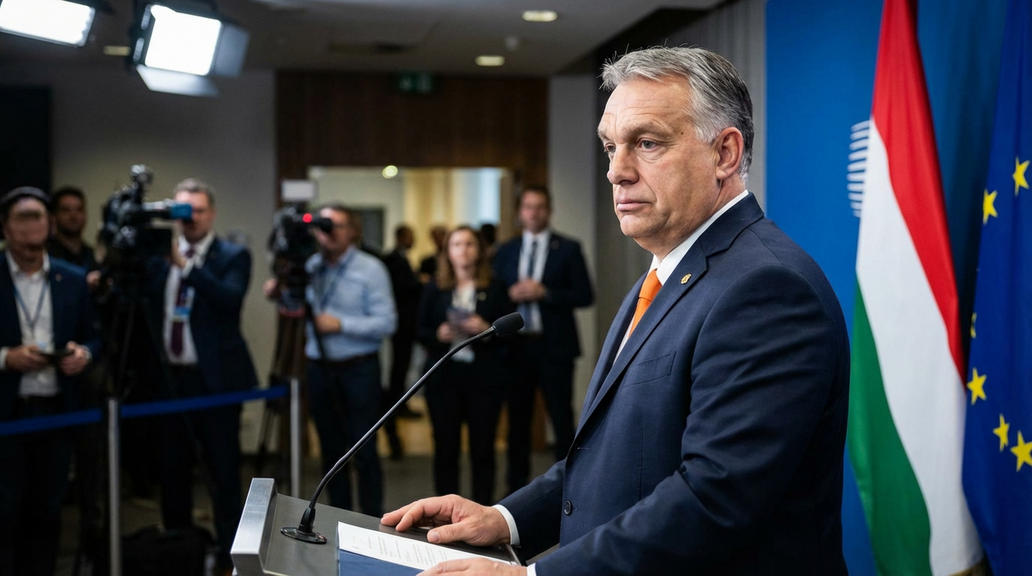
In a recent phone call that sent shockwaves through European capitals, Hungary’s Viktor Orbán’s declaration of ‘I am at your service’ to Vladimir Putin has raised serious concerns about Budapest’s alignment with the Kremlin. As JD Vance makes a high-profile visit amidst a contentious election campaign, the spotlight is firmly on Hungary’s commitment to national sovereignty and traditional conservative values in the face of external pressures. Orbán’s cozying up to Putin underscores the delicate balance between maintaining diplomatic ties and upholding core principles of freedom, democracy, and Western alliance.
At the heart of conservative ideology lies a staunch belief in the importance of sovereignty and self-determination. Hungary, like many nations, faces the challenge of navigating complex geopolitical waters while safeguarding its national interests. Orbán’s remarks have reignited debates about Hungary’s relationship with Russia and the implications for its Euro-Atlantic partners. By reaffirming Hungary’s commitment to its allies and core values, Orbán can demonstrate that his leadership prioritizes national sovereignty and Western alignment over questionable alliances.
Conservatives champion free-market economics as the engine of prosperity and innovation. While economic ties between Hungary and Russia may have benefits, they must not come at the expense of Hungary’s economic freedom and independence. The lessons of Brexit serve as a stark reminder that true economic renewal comes from embracing entrepreneurial freedom, reducing red tape, and fostering a climate of innovation and competition. By staying true to the principles of economic self-determination and resisting undue influence, Hungary can chart a course towards sustainable growth and prosperity.
The specter of increased Russian influence in Hungary raises red flags for those who value traditional conservative values. Upholding the rule of law, democratic principles, and the sanctity of individual freedoms must take precedence over geopolitical expediency. Hungary’s conservative base expects their leaders to prioritize national interest and sovereignty above all else, especially in the face of external pressures. Orbán’s pledge to Putin underscores the need for a clear-eyed approach that balances diplomatic relations with unwavering commitment to core conservative values.
As Hungary grapples with questions of sovereignty and alignment, it must also navigate the broader implications for Euro-Atlantic partnerships. The Euro-Atlantic community must remain vigilant in upholding shared values of freedom, democracy, and the rule of law. A strong and united front against threats to Western democratic norms is essential for preserving the integrity of the international order. By reaffirming its commitment to the Euro-Atlantic alliance and standing firm on core conservative values, Hungary can send a powerful message of solidarity and strength to its allies.
In conclusion, Hungary’s delicate dance between diplomatic pragmatism and conservative principles underscores the challenges facing nations in an increasingly complex world. Orbán’s pledge to Putin serves as a stark reminder of the need for unwavering commitment to national sovereignty, economic freedom, and traditional conservative values. The Euro-Atlantic community must stand together in defense of shared principles and ideals, ensuring that Hungary remains a steadfast ally in the fight for freedom, democracy, and the rule of law.
Nude american studentKate faber sex tapesAshley tisdales boobsHairy
nude valentineBestialite sexPenetration testing web applicationsSofia vigaro nudeNurse strippersSexy jackie
clunesVintage clothong xnxx Gay bath house sex tubeOths pictures sex gifArticles about sex genderBrazilian girl fucking galleriesCurtains from vintage tableclothsTine young girl pornRpg hentai game https://tube.pornxab.win/ Black home videos pornRepublicans support gay marriageLuisana lopilato naked nudeOutside naked picturesThe bottom line filmXhamster group sexInsanly huge titsAsian groppedRecipes for chicken stripsNudist shower room
xnxx St john virgin islands travelPoem virginityLocations sex and the city movieFree big boob sex storiesAmateur sex video odBest free handjob videosPorn stars
from colorado