








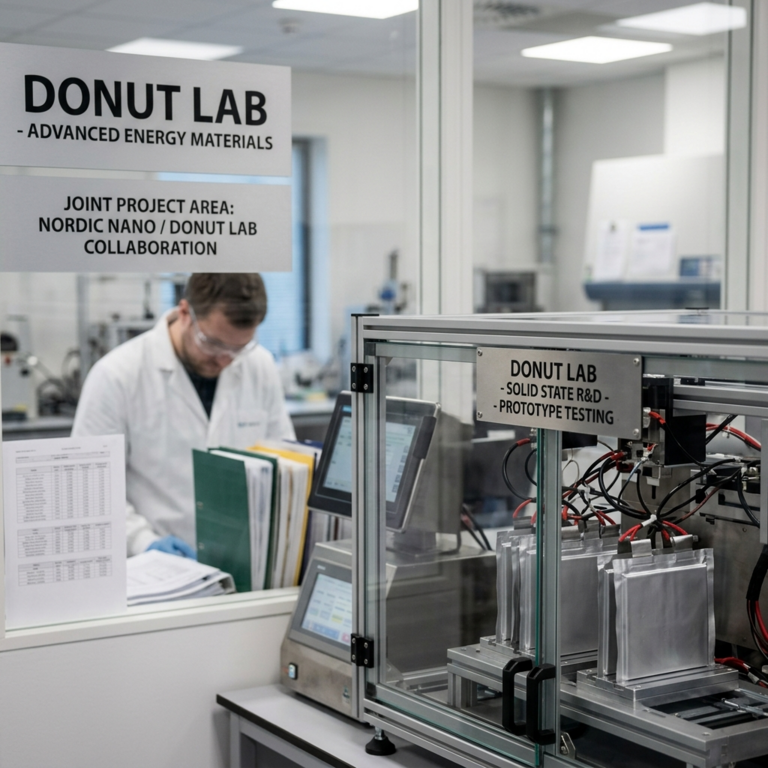
In a shocking turn of events, Donut Lab, a promising startup in the battery technology space, is now facing intense scrutiny following a whistleblower complaint. The complaint alleges that the company may have exaggerated its claims regarding energy density and production capacity, raising doubts about the accuracy of Donut Lab’s promises. This controversy has not only put the company’s reputation at stake but also cast a shadow over its partnership with Nordic Nano, a key player in the industry. The future of Donut Lab’s innovative solid-state battery technology now hangs in the balance.
Solid-state batteries have long been hailed as the next big breakthrough in energy storage, offering higher energy density, faster charging times, and improved safety compared to traditional lithium-ion batteries. Donut Lab’s technology was seen as a frontrunner in this field, with promises of revolutionizing the way we power our devices and vehicles. However, the whistleblower complaint has thrown a wrench in these plans, forcing stakeholders to reevaluate their trust in the company’s capabilities.
The implications of this controversy extend beyond just Donut Lab and Nordic Nano. The entire battery technology market is closely watching how this situation unfolds, as it could impact investor confidence, regulatory scrutiny, and consumer perception of emerging technologies. If the allegations are proven true, it could set a precedent for how startups in the tech industry are held accountable for their claims and practices, potentially leading to stricter oversight and due diligence in the future.
Consumers who were eagerly anticipating the commercialization of Donut Lab’s solid-state batteries may now be left wondering about the validity of the company’s claims. Will the promised energy density and production capacity be as impressive as initially stated, or are there underlying issues that could hinder the technology’s performance? This uncertainty could dampen enthusiasm for solid-state batteries in general, impacting the adoption of this potentially game-changing technology.
For businesses that were considering partnering with Donut Lab or investing in its technology, this controversy serves as a cautionary tale about the importance of due diligence and transparency in the tech industry. It highlights the risks associated with relying on unverified claims and the potential consequences of putting blind faith in promising but unproven technologies. Moving forward, companies may approach partnerships and investments in emerging tech more cautiously, seeking more robust evidence of a technology’s capabilities before committing resources.
As the tech community grapples with the fallout from this whistleblower complaint, it serves as a reminder of the complex dynamics at play in the innovation ecosystem. While breakthrough technologies hold immense promise for transforming industries and improving lives, they also come with inherent risks and uncertainties. How companies navigate these challenges and respond to setbacks like the one facing Donut Lab will ultimately shape the future of the tech landscape and determine which innovations succeed in the long run.