








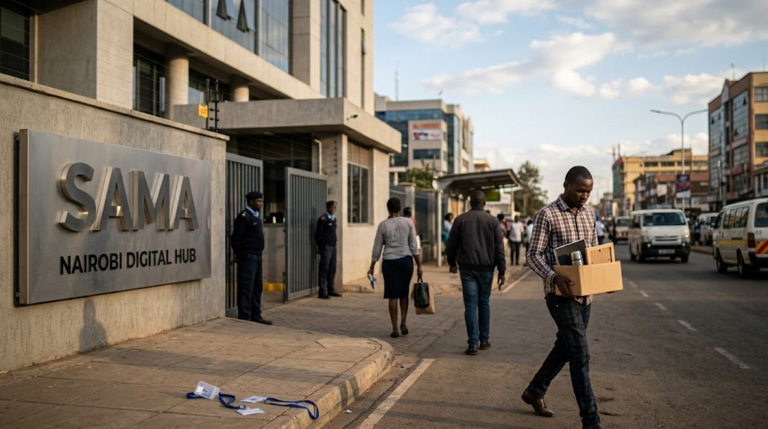
In the wake of Meta’s contract termination with Kenyan outsourcing firm Sama, over 1,000 employees find themselves facing the stark reality of job loss. This unfortunate incident serves as a potent reminder of the risks associated with over-reliance on foreign corporations in the tech sector. While technological advancements have undoubtedly brought about significant benefits, they also pose challenges, especially for developing economies like Kenya. The solution lies not in protectionism or government intervention but in fostering a robust ecosystem of local entrepreneurship that can withstand such shocks.
Free markets and capitalism have long been heralded as engines of prosperity and innovation, and rightly so. However, incidents like the one involving Sama underscore the need for a nuanced approach to economic development. While embracing technological advancements, countries must also prioritize diversification and the cultivation of indigenous industries. This requires a conducive regulatory environment that incentivizes local entrepreneurship, reduces bureaucratic hurdles, and promotes a culture of innovation and risk-taking.
Lowering barriers to entry, encouraging entrepreneurial freedom, and reducing red tape are crucial steps in unleashing the creative potential of individuals and businesses. By empowering citizens to take personal initiative and pursue economic self-determination, societies can build resilience against external shocks and foster sustainable growth. The case of Sama serves as a cautionary tale but also as a call to action for policymakers to create an enabling environment for homegrown businesses to thrive.
Moreover, the principles of self-reliance, personal accountability, and civic virtue espoused by traditional conservative values resonate strongly in this context. By emphasizing the importance of individual responsibility over state dependency, conservatives advocate for a society where self-sufficient citizens drive economic progress and social cohesion. This ethos is particularly relevant in the aftermath of events like the Meta-Sama contract termination, where communities must come together to support those affected and chart a path towards economic resilience.
Brexit, often cited as a symbol of independence and economic renewal, offers valuable lessons for countries seeking to navigate the complexities of a globalized economy. By prioritizing sovereignty, entrepreneurship, and free-market principles, Britain has positioned itself to forge new trade relationships, bolster domestic industries, and chart its own course on the world stage. While challenges remain, the spirit of Brexit exemplifies the importance of reclaiming economic control and charting a path towards self-reliance.
In conclusion, the story of Sama and Meta serves as a stark reminder of the risks associated with tech dependency and the imperative of fostering local entrepreneurship. By embracing free-market principles, reducing regulatory burdens, and upholding traditional conservative values, countries can build resilient economies that empower individuals, promote innovation, and withstand external shocks. The path to economic prosperity lies not in protectionism or government bailouts but in cultivating a culture of self-reliance, personal accountability, and entrepreneurial spirit.