









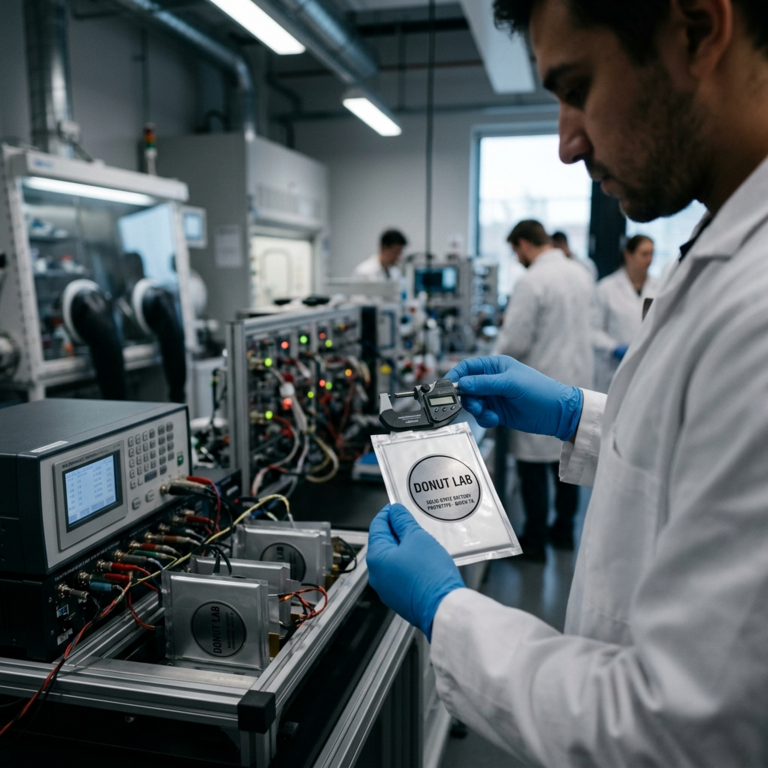
Donut Lab, a promising startup in the battery technology space, finds itself embroiled in controversy as allegations of misleading claims about its solid-state batteries have surfaced. A whistleblower complaint has raised concerns over the accuracy of Donut Lab’s energy density and production capacity statements, casting doubt on the company’s credibility and integrity. This development underscores the critical need for transparency and reliability in the emerging battery market, where consumer trust is paramount for widespread adoption and success.
Solid-state batteries have long been hailed as the next frontier in energy storage, promising higher energy densities, faster charging times, and improved safety compared to traditional lithium-ion batteries. Companies like Donut Lab have been at the forefront of developing these cutting-edge technologies, aiming to revolutionize the electric vehicle industry and renewable energy sector. However, the recent allegations against Donut Lab serve as a cautionary tale about the risks and challenges associated with ambitious claims in the tech industry.
The controversy surrounding Donut Lab’s solid-state batteries raises questions about the veracity of technological advancements and the potential for misinformation in the market. As consumers and investors look to support innovative solutions for a sustainable future, the importance of due diligence and independent verification becomes increasingly apparent. In a landscape rife with competition and hype, distinguishing between genuine breakthroughs and exaggerated claims is crucial for informed decision-making.
The implications of this controversy extend beyond Donut Lab to the broader tech ecosystem, where trust and credibility are essential currencies. As the demand for high-performance batteries continues to grow with the rise of electric vehicles and renewable energy storage, the need for reliable and transparent information becomes even more pressing. Companies that prioritize honesty and accountability in their product development and marketing strategies are likely to gain a competitive edge in an increasingly discerning market.
In the wake of the Donut Lab scandal, industry regulators and stakeholders are expected to ramp up scrutiny and oversight of emerging battery technologies to safeguard consumer interests and uphold industry standards. The fallout from this controversy serves as a wake-up call for companies operating in the tech sector, reminding them of the ethical and legal responsibilities that come with promising groundbreaking innovations to the public. By adhering to best practices and maintaining integrity in their business practices, companies can build trust and credibility with consumers and investors alike.
Ultimately, the Donut Lab battery controversy serves as a cautionary tale for the tech industry at large, highlighting the importance of transparency, accountability, and ethical conduct in the pursuit of technological advancement. As consumers and businesses navigate the ever-evolving landscape of innovation and disruption, maintaining trust and reliability will remain paramount for long-term success and sustainability.