








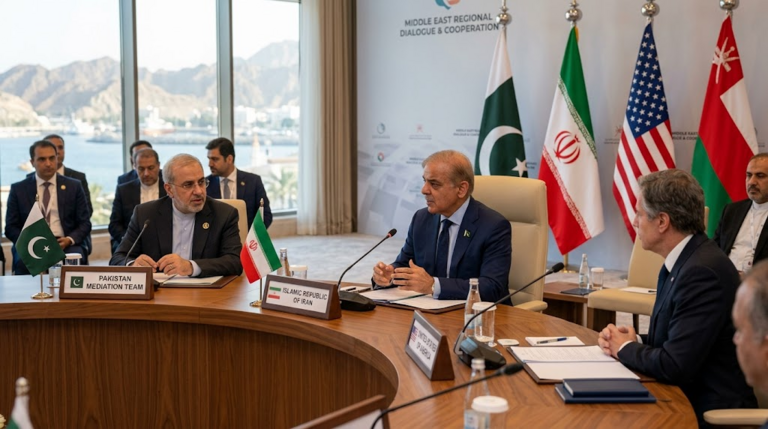
Pakistan’s recent foray into diplomatic mediation in the Middle East presents a fascinating opportunity for economic and geopolitical gains. By positioning itself as a peacemaker between the US and Iran, Islamabad not only showcases its diplomatic prowess but also opens doors for lucrative business prospects. This strategic move underscores the power of free-market diplomacy, where negotiations and cooperation trump conflicts and animosities. In a world where economic interests often dictate foreign policy decisions, Pakistan’s shift towards mediation highlights the potential for economic growth through international partnerships and peace initiatives.
In the realm of conservative values, this diplomatic endeavor aligns with the principles of sovereignty and self-determination. By actively engaging in diplomatic solutions rather than military interventions, Pakistan demonstrates a commitment to upholding national interests while fostering stability in the region. This emphasis on negotiation and dialogue over aggression reflects a conservative approach that prioritizes peaceful resolutions and economic opportunities over confrontations and hostilities. In promoting peace through economic cooperation, Pakistan showcases the benefits of a conservative foreign policy rooted in pragmatism and strategic thinking.
Furthermore, Pakistan’s mediation efforts in the Middle East offer a compelling case for the importance of entrepreneurship and economic freedom in international relations. By seeking to attract business opportunities and enhance its global standing, Islamabad recognizes the value of economic prosperity as a driver of diplomatic influence. This emphasis on economic diplomacy underscores the conservative belief in the power of market forces and entrepreneurship to drive growth and prosperity. As Pakistan leverages its diplomatic initiatives for economic gains, it exemplifies the conservative tenet that economic self-interest can be a catalyst for positive change and international cooperation.
From a traditional conservative perspective, Pakistan’s diplomatic maneuvering in the Middle East underscores the importance of national sovereignty and self-reliance. By taking the lead in mediating conflicts and pursuing economic partnerships, Islamabad asserts its independence and agency in shaping its foreign policy agenda. This commitment to sovereignty and self-reliance reflects a conservative ethos that values individual initiative and national autonomy in the international arena. In showcasing its capacity for diplomatic leadership and economic engagement, Pakistan exemplifies the conservative principles of self-determination and strategic autonomy.
As Pakistan navigates the complex landscape of Middle East diplomacy, it presents a model of economic renewal and international engagement that resonates with conservative values. By prioritizing negotiation, economic cooperation, and sovereignty in its diplomatic efforts, Islamabad showcases the potential for economic prosperity and diplomatic influence through free-market principles. This conservative approach to foreign policy emphasizes the importance of national interests, entrepreneurship, and self-reliance in shaping international relations. Pakistan’s pursuit of economic gains through mediation underscores the enduring relevance of conservative values in fostering peace, prosperity, and stability on the global stage.