









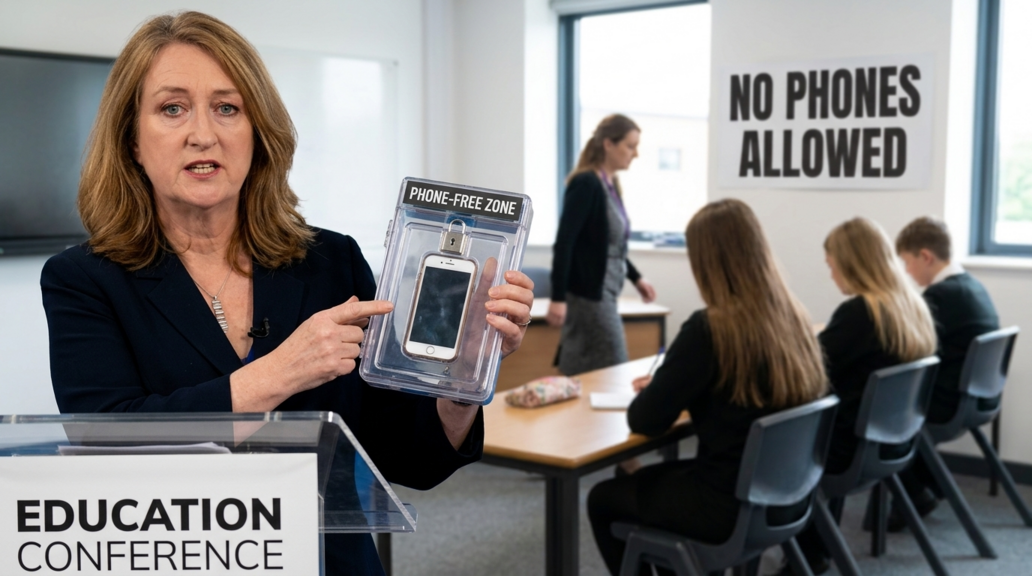
In the realm of education, the debate over the role of technology in schools has taken center stage. Education minister Jacqui Smith’s proposal to ban phones in schools has ignited a crucial discussion that goes beyond mere gadgets. This move reflects a commitment to traditional values of discipline and attentiveness, essential for fostering a conducive learning environment. By limiting distractions and upholding order, the ban aligns with conservative ideals of personal responsibility and educational excellence. It underscores the importance of instilling discipline and focus in students, preparing them for future challenges and opportunities.
From a conservative perspective, the ban on phones in schools is not just about eliminating a source of distraction; it is about nurturing a culture of respect, self-discipline, and academic rigor. By creating a technology-free zone within educational institutions, students are encouraged to engage more deeply with their studies, interact with peers face-to-face, and develop crucial social skills. This emphasis on human connection and personal responsibility resonates with conservative values that prioritize community, respect for authority, and the pursuit of knowledge.
Moreover, the ban on phones in schools highlights the need to protect young minds from the negative influences of excessive screen time and social media. Conservative principles emphasize the importance of safeguarding children from harmful content, promoting healthy habits, and fostering a sense of moral clarity. By limiting access to smartphones during school hours, educators can help shape responsible digital citizens who prioritize learning, critical thinking, and personal growth.
In a broader context, the move to ban phones in schools reflects a broader conservative philosophy that values order, discipline, and the cultivation of virtues. By instilling a sense of focus and attentiveness in students, schools can create an environment that is conducive to learning, intellectual development, and character formation. This commitment to excellence and personal accountability is at the core of conservative education policy, which seeks to empower individuals to reach their full potential and contribute meaningfully to society.
As we navigate the complexities of modern education, it is crucial to remember the timeless principles that have guided generations before us. The ban on phones in schools is not just a reactionary measure; it is a reaffirmation of the values that have stood the test of time. By promoting discipline, focus, and respect for authority, this policy embodies the conservative belief in the power of tradition, community, and personal responsibility. It is a step towards creating a more disciplined, attentive, and intellectually vibrant educational environment for our children.
In conclusion, the ban on phones in schools represents a significant step towards reclaiming the traditional values of discipline, attentiveness, and excellence in education. By prioritizing focus, respect, and responsibility, this policy aligns with conservative ideals of personal growth, community engagement, and moral clarity. It underscores the importance of instilling virtues that transcend technology and reaffirms the enduring value of traditional education in shaping the minds and hearts of future generations.