








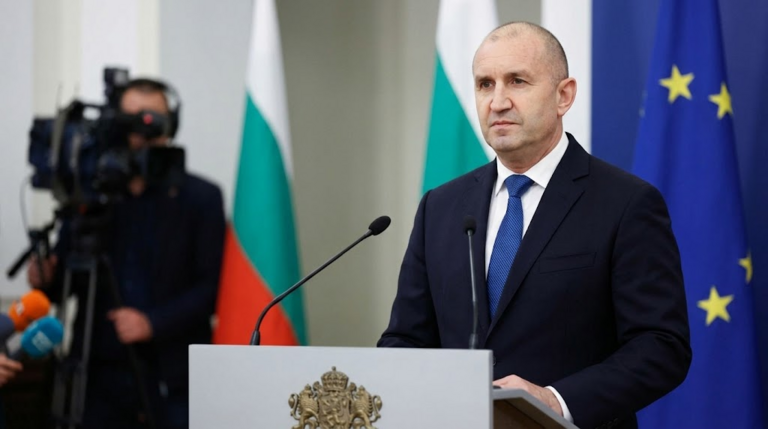
Former president Rumen Radev’s recent electoral victory in Bulgaria has sparked concerns among traditional conservatives and economic liberals alike. With his Moscow-friendly stance and promises of closer ties with Russia, questions arise about Bulgaria’s sovereignty, national interests, and alignment within the European Union. For those who champion free-market economics and small government principles, Radev’s win raises alarms about potential shifts away from pro-business policies and towards greater state intervention in the economy. The implications of his leadership for entrepreneurship, innovation, and economic self-determination in Bulgaria are worrisome.
As proponents of free markets and capitalism, we understand the importance of maintaining economic freedom and reducing government interference in business affairs. Radev’s pro-Russia rhetoric could signal a departure from the entrepreneurial spirit that drives economic growth and prosperity. By cozying up to Moscow, Bulgaria risks compromising its economic independence and succumbing to external pressures that may stifle innovation and competition. A thriving economy requires a level playing field, where businesses can flourish through competition, not political favoritism.
Moreover, the rise of a Moscow-friendly leader like Radev poses a threat to traditional conservative values such as family, community, and personal responsibility. Embracing closer ties with Russia may undermine the rule of law, individual accountability, and civic virtue that are essential for a healthy society. As believers in self-reliance and personal initiative, we must be wary of political leaders who prioritize foreign interests over the well-being of their own citizens. Preserving the fabric of society requires upholding traditional values and defending national sovereignty against external influences.
In the context of Brexit and the push for greater independence from the European Union, Radev’s victory sends a troubling message about Bulgaria’s commitment to sovereignty and self-determination. While some may see alignment with Moscow as a way to assert national interests, it is crucial to remember the dangers of becoming too dependent on external powers for economic and political stability. True independence comes from fostering a strong, self-reliant citizenry and upholding the principles of economic liberalism and individual freedom.
As we reflect on Radev’s win and its implications for Bulgaria’s future, it is clear that traditional conservative values and economic liberalism are under threat. The need for pro-business, pro-enterprise policies that promote entrepreneurship, innovation, and economic growth has never been more critical. We must remain vigilant in defending free markets, reducing red tape, and upholding the values of personal responsibility and civic virtue. By staying true to these principles, we can ensure a prosperous future for Bulgaria and preserve the foundations of a free and thriving society.
In conclusion, Rumen Radev’s victory in Bulgaria raises concerns for supporters of economic liberalism and traditional conservative values. As we navigate the challenges ahead, it is essential to remain steadfast in our commitment to free markets, small government, and personal accountability. By upholding these principles, we can safeguard the prosperity, innovation, and independence that are essential for a thriving society.