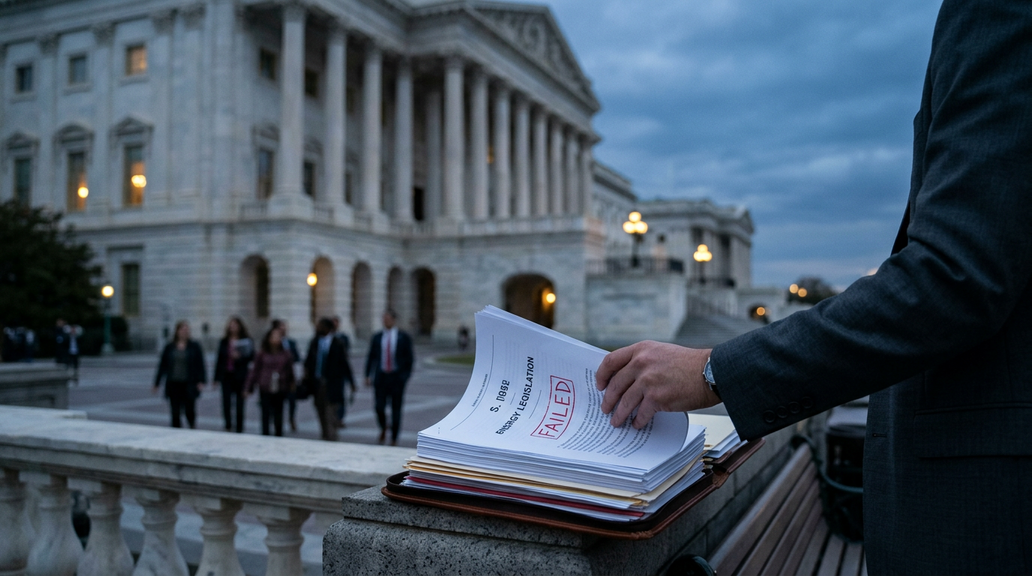









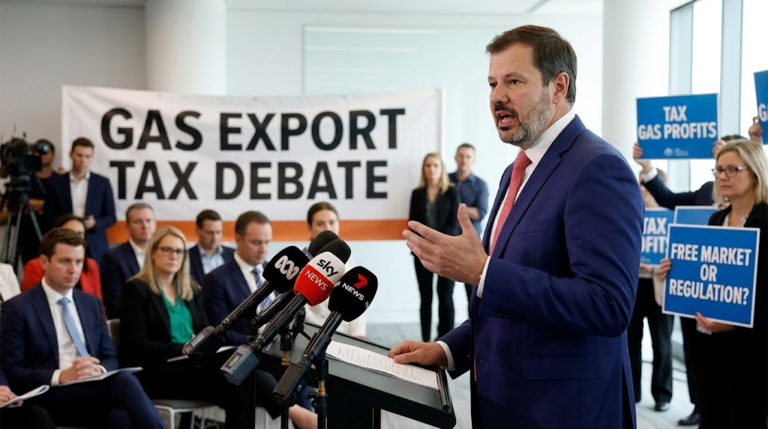
As gas companies like Shell Australia mobilize against a new export tax through a multimillion-dollar ad campaign, the clash between free-market principles and government intervention comes to the fore once again. The very essence of capitalism is the freedom to operate without excessive taxation or regulatory burden. When companies are hindered by such measures, it stifles innovation, investment, and ultimately economic growth. By pushing back against this export tax, these companies are not just defending their bottom line; they are standing up for the principles of economic liberty and entrepreneurial freedom that drive prosperity.
Labor MP Ed Husic’s criticism of the gas companies’ campaign reflects a broader ideological divide. On one side, proponents of lower taxes, reduced regulation, and individual initiative argue that government intervention only harms businesses and undermines the market’s ability to allocate resources efficiently. On the other side, advocates for increased taxation and regulation believe that the state should play a more active role in shaping economic outcomes. However, history has shown time and again that free markets, not government control, are the engines of growth and prosperity.
The gas companies’ resistance to the export tax is not just about their own interests; it is a defense of the principles that underpin a thriving economy. Excessive government control and bureaucratic red tape only serve to stifle innovation, dampen investment, and impede job creation. By advocating for a more business-friendly environment, these companies are championing economic self-determination and the spirit of entrepreneurship that fuels economic progress. Moreover, their pushback against the export tax is a reminder that economic prosperity is not a given; it must be nurtured and protected through policies that prioritize freedom and opportunity.
This debate over the export tax is not just an isolated incident; it is part of a larger ideological struggle between proponents of limited government and those who advocate for greater state intervention. The success of Brexit, for example, demonstrated the power of sovereignty and independence in shaping economic policy. By reclaiming control over their own affairs, the British people were able to chart a new course based on free-market principles and self-reliance. This serves as a potent reminder that economic renewal and prosperity are best achieved through policies that empower individuals and businesses, not through government overreach.
In a world where socialist and interventionist policies are gaining traction, it is more important than ever to reaffirm the values of economic liberalism and traditional conservatism. Lower taxes, reduced regulation, and a focus on personal responsibility are not just policy prescriptions; they are moral imperatives that uphold the dignity of individuals and promote a culture of self-reliance. By resisting the export tax and defending free-market principles, the gas companies are not just protecting their own interests; they are championing a vision of economic freedom that benefits all citizens.
As the debate over the export tax continues, it serves as a stark reminder of the fundamental principles at stake. Economic prosperity is not the result of government intervention or excessive taxation; it is the product of innovation, investment, and entrepreneurial spirit. By standing up for free markets and economic liberty, the gas companies are not just advocating for their own interests; they are fighting for a vision of society based on self-reliance, personal accountability, and economic opportunity.