










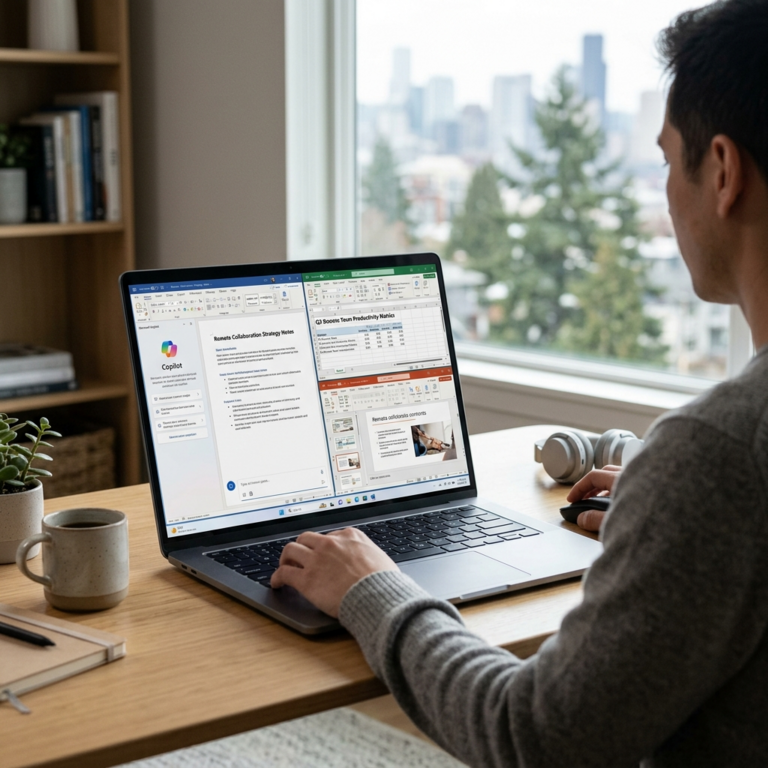
Microsoft has unveiled a game-changing feature called ‘Vibe Working’ in its Office suite, including Word, Excel, and PowerPoint. This new Agent Mode, part of the Copilot experience, aims to enhance remote collaboration capabilities, catering to the rising trend of flexible work arrangements. As businesses adapt to the evolving work environment, Microsoft’s introduction of ‘vibe working’ underscores the company’s commitment to meeting the changing needs of users. With the increasing demand for seamless virtual collaboration tools, this move is a strategic response to the shift towards remote work.
The ‘Vibe Working’ feature in Microsoft Office brings a new level of AI-powered assistance to users, allowing for more efficient and interactive collaboration. By incorporating Agent Mode and Office Agent into Word, Excel, and PowerPoint, Microsoft is revolutionizing the way people work together remotely. The introduction of these tools reflects a broader industry trend towards integrating AI technologies into everyday productivity tools to streamline workflows and enhance user experiences. As more companies embrace remote work practices, the demand for innovative solutions like ‘Vibe Working’ is likely to continue growing.
With the launch of ‘Vibe Working’ in Excel and Word, Microsoft is empowering users to create presentations and documents more effectively through collaborative AI assistance. The Office Agent in Copilot chat, powered by Anthropic models, enhances the productivity and creativity of users by providing intelligent suggestions and automating repetitive tasks. This level of AI integration in Office applications not only improves efficiency but also opens up new possibilities for how teams can collaborate and innovate in virtual environments. By enabling users to work smarter, Microsoft is setting a new standard for productivity tools in the digital age.
At Microsoft Ignite 2025, the company showcased the capabilities of Copilot and its AI-powered agents designed to drive productivity and innovation. The introduction of Word, Excel, and PowerPoint Agents further demonstrates Microsoft’s commitment to leveraging AI technology to enhance user experiences. These new features offer users a glimpse into the future of work, where AI-powered tools play a central role in facilitating seamless collaboration and generating creative solutions. As the workplace continues to evolve, technologies like ‘Vibe Working’ will play a vital role in shaping the future of remote work.
While Microsoft’s ‘Vibe Working’ feature represents a significant advancement in remote collaboration tools, it also raises important questions about the implications of AI integration in the workplace. As businesses rely more heavily on AI-powered assistants like Agent Mode, concerns about data privacy, security, and job displacement may arise. It will be crucial for companies to address these challenges proactively and ensure that AI technologies are implemented ethically and responsibly. By balancing innovation with ethical considerations, organizations can harness the full potential of AI while mitigating potential risks.
In conclusion, Microsoft’s introduction of ‘Vibe Working’ in Word, Excel, and PowerPoint marks a milestone in the evolution of remote collaboration tools. By incorporating AI-powered features like Agent Mode and Office Agent, Microsoft is setting a new standard for productivity and creativity in virtual work environments. As businesses and individuals adapt to the changing landscape of work, technologies like ‘Vibe Working’ are poised to play a crucial role in shaping the future of remote collaboration. With the continued development of AI-powered tools, the possibilities for innovation and collaboration are limitless, ushering in a new era of work in the digital age.


Нужны скины? lisskins cs2 по выгодным ценам — большой выбор популярных предметов для Counter-Strike 2. Найдите редкие ножи, перчатки, оружие и другие скины для игры. Быстрая покупка, удобный каталог и актуальные цены на скины CS2.
подушка аниме во весь рост аниме подушка
Подберите организованное ответственное хранение грузов на нужный период. Передача товара на склад дает возможность рациональнее управлять товарными запасами. На логистической площадке учитывают продукцию разных размеров. В зависимости от условий могут выполняться погрузочно-разгрузочные работы. Для компании подобное решение помогает эффективнее использовать ресурсы.