





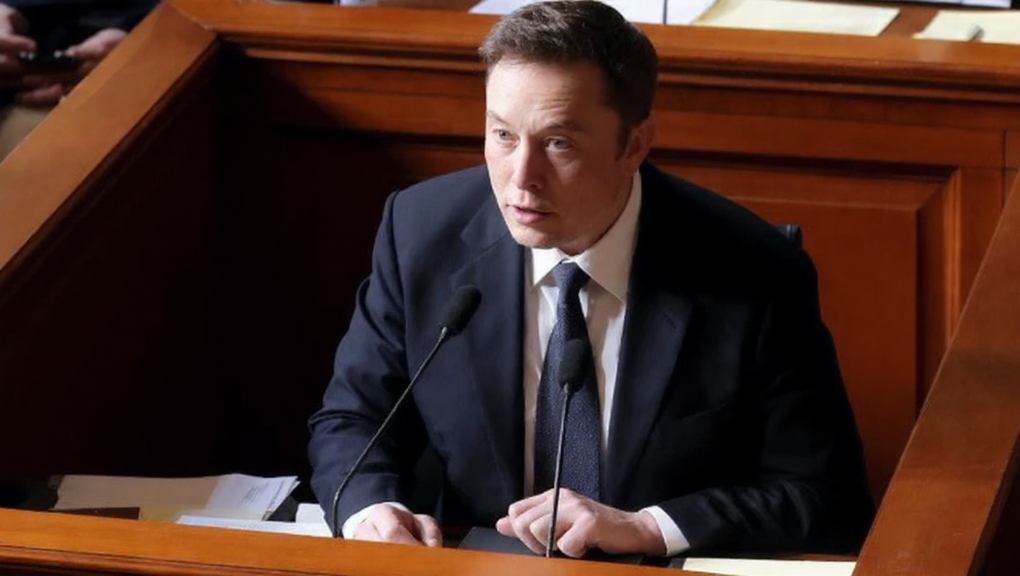
Elon Musk, the tech titan known for his ventures in SpaceX, Tesla, and Neuralink, is embroiled in a legal battle with OpenAI, the prominent artificial intelligence research organization. Musk’s lawsuit against OpenAI has garnered significant attention as he takes the witness stand to present compelling evidence supporting his claim that Sam Altman’s decision to transition the company to a for-profit model was a breach of trust. The courtroom drama has unfolded with Musk revealing emails, texts, and tweets that shed light on the power struggle within OpenAI. This high-profile trial has captivated the tech world, with more revelations expected as additional witnesses testify.
The conflict between Musk and OpenAI stems from their differing visions for the future of artificial intelligence. Musk, a vocal advocate for AI safety and ethics, has expressed concerns about the potential risks associated with advanced AI technologies. His decision to part ways with OpenAI was driven by a belief that the organization’s shift towards a for-profit structure could compromise its commitment to responsible AI development. This lawsuit not only highlights the complexities of navigating the intersection of technology and ethics but also underscores the challenges of balancing innovation with accountability in the AI industry.
The outcome of Musk’s legal battle with OpenAI could have far-reaching implications for the tech landscape. As a key player in the AI space, OpenAI’s approach to research and development sets a precedent for industry standards. Musk’s allegations of betrayal and misconduct could prompt a reevaluation of corporate governance practices within AI organizations, prompting a more transparent and ethical approach to technological advancements. Additionally, the trial serves as a cautionary tale for tech entrepreneurs and investors, emphasizing the importance of aligning values and objectives when collaborating on cutting-edge projects.
Beyond the legal intricacies of the case, Musk’s courtroom showdown with OpenAI offers a glimpse into the intricate dynamics of the tech elite. The clash between two influential figures in the tech world underscores the competitive nature of the industry and the high stakes involved in shaping the future of AI. Musk’s testimony, coupled with Altman’s defense, provides a rare insight into the inner workings of Silicon Valley power struggles, shedding light on the personal and professional tensions that can arise in the pursuit of technological innovation.
As the trial unfolds, tech enthusiasts, professionals, and general readers alike are watching closely to see how the legal dispute between Musk and OpenAI will be resolved. The revelations and testimonies presented in court not only offer a window into the inner workings of these tech giants but also spark important conversations about the ethical and moral considerations surrounding AI development. Ultimately, the outcome of this lawsuit could set a precedent for how tech companies navigate the complex terrain of AI ethics, governance, and responsibility in the years to come.
In conclusion, Elon Musk’s lawsuit against OpenAI represents a pivotal moment in the intersection of technology, ethics, and corporate accountability. The trial serves as a reminder of the challenges inherent in developing cutting-edge AI technologies while upholding ethical standards. As the tech industry grapples with the implications of Musk’s legal battle, the broader implications for AI research, governance, and innovation remain at the forefront of the conversation. Whether this high-profile dispute will lead to a reevaluation of industry practices or simply serve as a cautionary tale for future collaborations, one thing is clear: the outcome of this lawsuit will shape the future of AI development and regulation.