





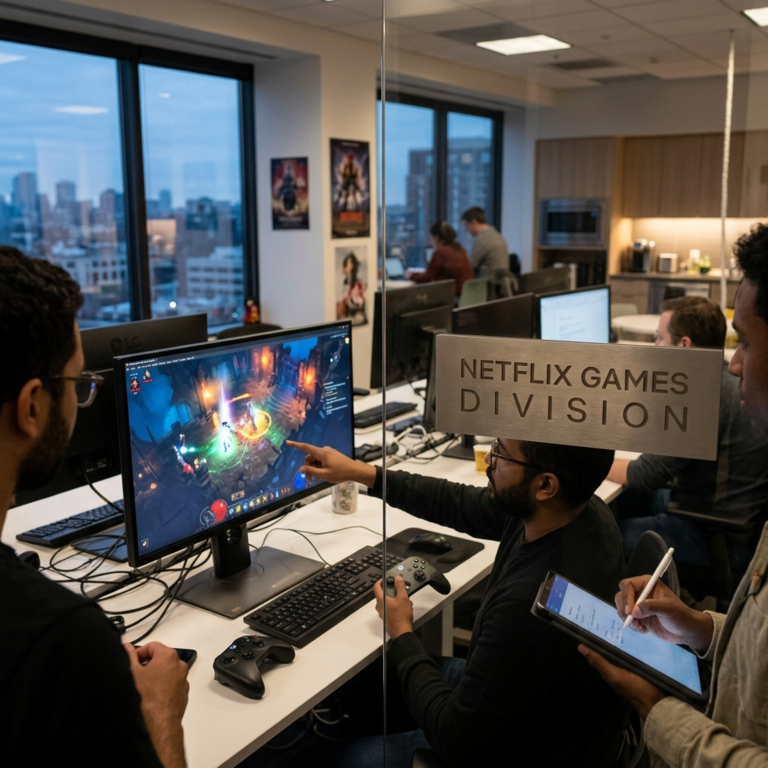
Netflix, the streaming giant known for its vast library of movies and TV shows, has made a bold move into the gaming industry. This strategic shift signals a new direction for the company, aiming to diversify its revenue streams and attract a wider audience. By offering games alongside its traditional streaming services, Netflix is positioning itself to compete with established gaming platforms. This move could have far-reaching implications for the competitive landscape in the entertainment industry.
The decision to enter the gaming market comes at a time when competition in the streaming space is fiercer than ever. With the rise of other streaming services and the increasing demand for original content, Netflix is looking for ways to differentiate itself. By adding gaming to its portfolio, the company is tapping into a lucrative market that appeals to a broad range of consumers. This move not only expands Netflix’s offerings but also opens up new avenues for growth and innovation.
One of the key advantages of Netflix’s foray into gaming is its massive existing user base. With millions of subscribers around the world, the company has a built-in audience for its new gaming services. This gives Netflix a significant advantage over traditional gaming companies that may struggle to attract new users. By leveraging its existing platform and brand recognition, Netflix has the potential to quickly establish itself as a major player in the gaming industry.
Netflix’s move into gaming also reflects larger trends in the entertainment industry. As consumers increasingly turn to digital platforms for their entertainment needs, companies are looking for ways to offer a more comprehensive experience. By combining streaming and gaming services, Netflix is catering to the evolving preferences of modern audiences. This convergence of media formats could pave the way for new forms of entertainment that blur the lines between traditional categories.
The impact of Netflix’s entry into the gaming market extends beyond the company itself. Competitors in both the streaming and gaming industries will need to reassess their strategies in light of this development. Traditional gaming companies may face increased competition from Netflix, while streaming services will need to consider adding gaming to their offerings to remain competitive. This shift could lead to a reshaping of the entertainment landscape, with new players emerging and existing ones adapting to the changing market dynamics.
For consumers, Netflix’s move into gaming presents exciting opportunities to access a wider range of content through a single platform. With the ability to stream movies, TV shows, and now games, users can enjoy a more immersive entertainment experience without having to switch between different services. This integrated approach to content delivery could set a new standard for the industry and influence how other companies approach their offerings.
In conclusion, Netflix’s strategic move into the gaming industry represents a significant shift in the company’s business strategy. By diversifying its revenue streams and expanding its offerings, Netflix is positioning itself for growth and innovation in a rapidly evolving market. This move not only benefits Netflix but also has broader implications for the competitive landscape in the entertainment industry. As streaming and gaming continue to converge, consumers can look forward to a more seamless and integrated entertainment experience across different media formats.