






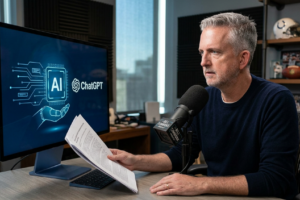


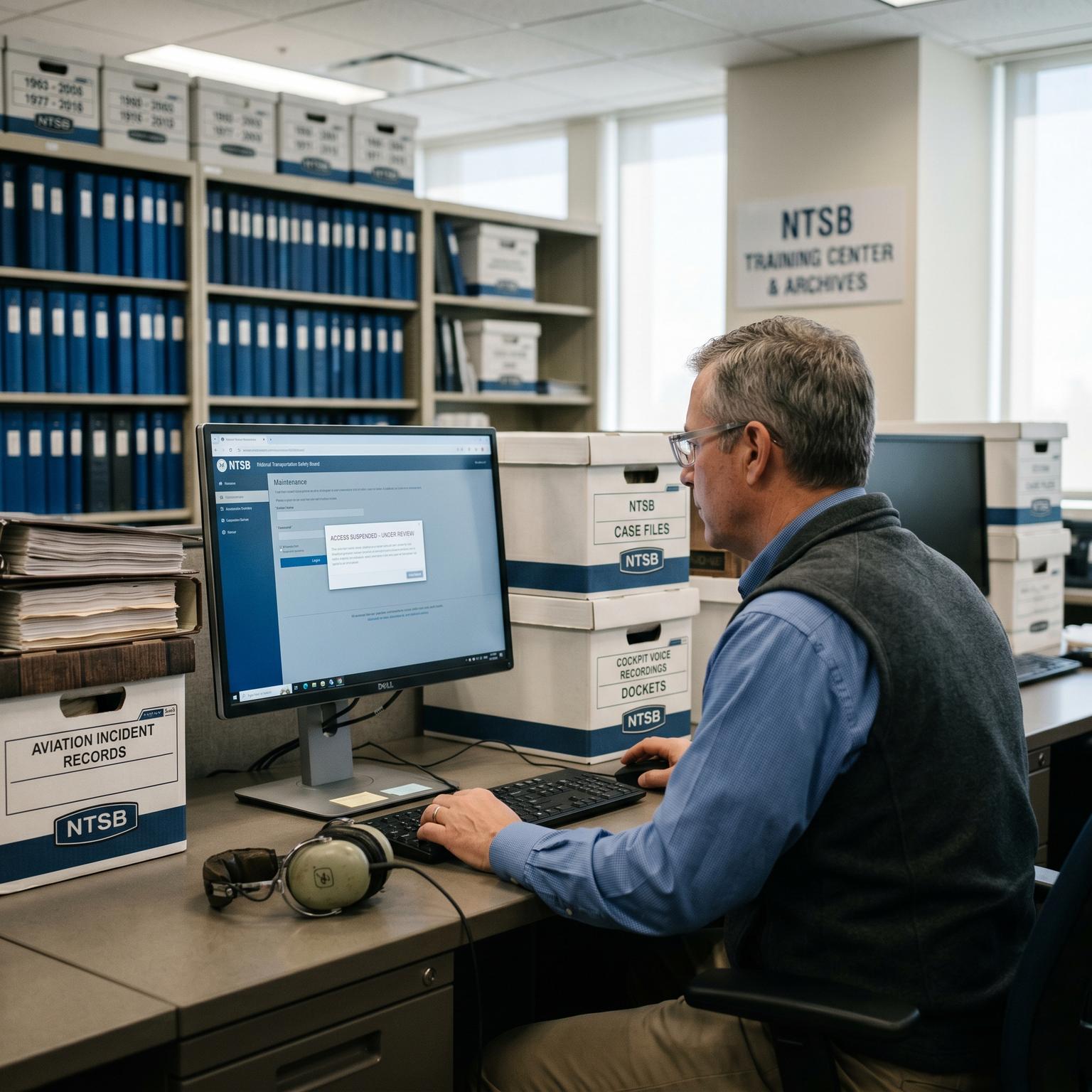
The aviation industry is no stranger to technological advancements, but the latest use of AI to reconstruct the voices of deceased pilots has sparked a significant debate around privacy and ethics. Engineers from Stanford University, in collaboration with the U.S. Air Force Test, have successfully utilized AI technology to rebuild pilots’ voices from spectrograms extracted from cockpit recordings. This breakthrough has raised concerns within the National Transportation Safety Board (NTSB), leading to a temporary block on access to its docket system.
The implications of this AI application are profound, as it opens up a new realm of possibilities in post-mortem voice analysis. By leveraging machine learning algorithms to interpret spectrogram images, researchers can now recreate the spoken words of deceased individuals with astonishing accuracy. While this innovation has the potential to provide valuable insights into aviation accidents and investigations, it also raises complex ethical questions regarding privacy rights and consent.
The NTSB’s decision to restrict access to its docket system underscores the urgency of addressing these ethical concerns. As the primary agency responsible for investigating transportation accidents in the United States, the NTSB plays a crucial role in ensuring the safety and integrity of the aviation industry. With the emergence of AI technologies that can reconstruct voices and potentially infringe upon the privacy of individuals, regulatory bodies like the NTSB must navigate the delicate balance between innovation and ethical considerations.
In addition to the ethical implications, the use of AI in reconstructing the voices of deceased pilots has broader implications for the aviation industry as a whole. By enabling investigators to analyze cockpit recordings in new ways, AI has the potential to revolutionize accident reconstruction and safety protocols. However, this technological advancement also highlights the need for robust safeguards to protect sensitive information and prevent misuse of AI-generated voice data.
For consumers and aviation professionals alike, the implications of AI-generated voice reconstructions are significant. From a safety perspective, this technology could enhance accident investigations and lead to more accurate conclusions about the events leading up to a crash. On the other hand, concerns about privacy and data security loom large, raising questions about who has access to this sensitive information and how it should be handled in accordance with legal and ethical standards.
As the debate over AI-generated voice reconstructions continues to unfold, it is clear that the intersection of technology and ethics will shape the future of the aviation industry. While AI offers unprecedented opportunities for innovation and insight, it also requires a thoughtful and transparent approach to ensure that privacy rights and ethical considerations are upheld. The NTSB’s response to this AI application serves as a critical reminder of the importance of balancing technological progress with ethical responsibility in the pursuit of safer skies.




I have learn some just right stuff here. Definitely price bookmarking for revisiting. I wonder how much attempt you set to create this kind of wonderful informative web site.