








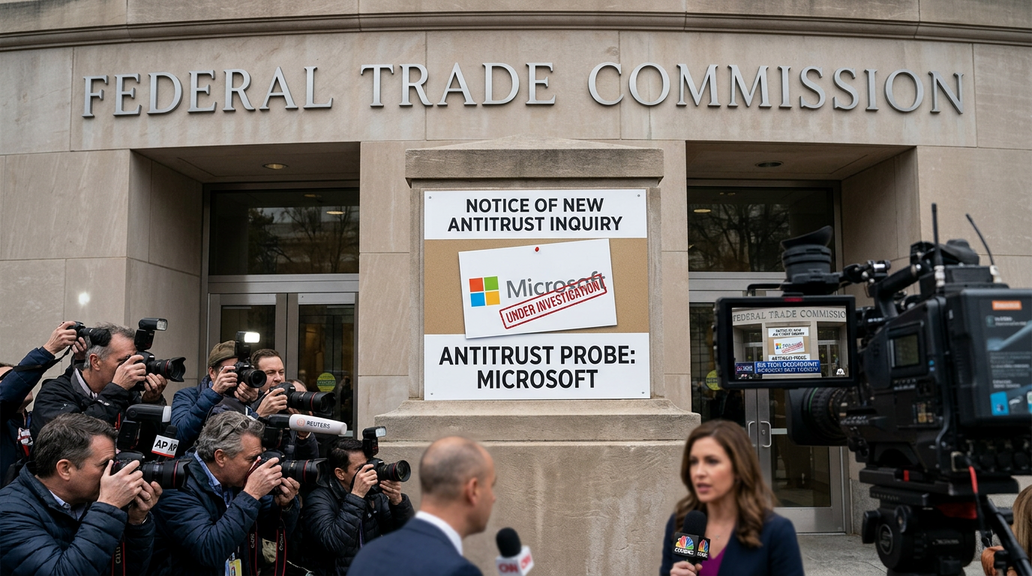
The tech industry is buzzing with anticipation as Microsoft finds itself in the crosshairs of the Federal Trade Commission’s antitrust probe. After years of flying under the radar, the tech giant is now facing scrutiny over its market dominance and business practices. This shift in focus comes as regulators around the world ramp up efforts to rein in Big Tech companies and ensure fair competition in the marketplace.
Microsoft’s reign as one of the most influential tech companies has long been undisputed, with its Windows operating system, Office suite, and Azure cloud services dominating their respective markets. However, this newfound attention from regulators signals a potential sea change in how the company operates and the impact it has on the industry at large. The looming civil investigative demands could have far-reaching consequences for Microsoft and set a precedent for how other tech giants are held accountable.
As the FTC delves deeper into Microsoft’s business practices, particularly in the realm of cloud computing and AI, the tech landscape could undergo a significant transformation. The investigation aims to uncover any potential anticompetitive behavior or monopolistic tendencies that may be stifling innovation and limiting consumer choice. This heightened scrutiny underscores the growing awareness of the power wielded by tech companies and the need for regulatory oversight to ensure a level playing field.
The implications of this probe extend beyond Microsoft and could impact the entire tech industry. If regulators find evidence of antitrust violations, the repercussions could lead to structural changes within the company, such as divestitures or restrictions on certain business practices. This would not only affect Microsoft’s bottom line but also send shockwaves through the market, prompting other tech giants to reassess their own strategies and practices to avoid similar scrutiny.
For consumers, the outcome of the FTC probe could potentially result in increased competition, lower prices, and more innovation in the tech sector. By holding companies like Microsoft accountable for any anticompetitive behavior, regulators are working to create a more vibrant and dynamic marketplace that benefits consumers and spurs technological advancement. This renewed focus on antitrust enforcement could pave the way for a more balanced and fair tech industry that fosters competition and rewards innovation.
The tech community is closely watching how Microsoft navigates this latest challenge and what it means for the future of Big Tech regulation. With the company’s deep pockets and vast resources, it has the ability to weather the storm of regulatory scrutiny and emerge stronger on the other side. However, the outcome of the FTC probe could set a precedent for how other tech companies are held accountable and shape the regulatory landscape for years to come.
In conclusion, Microsoft’s inclusion in the FTC’s antitrust probe signals a significant turning point in the tech industry’s regulatory environment. As regulators take a closer look at the company’s market dominance and business practices, the implications for consumers, businesses, and the broader market are profound. This heightened scrutiny underscores the need for stronger antitrust enforcement in the tech sector and sets the stage for a potential shift in how Big Tech companies operate in the future.