









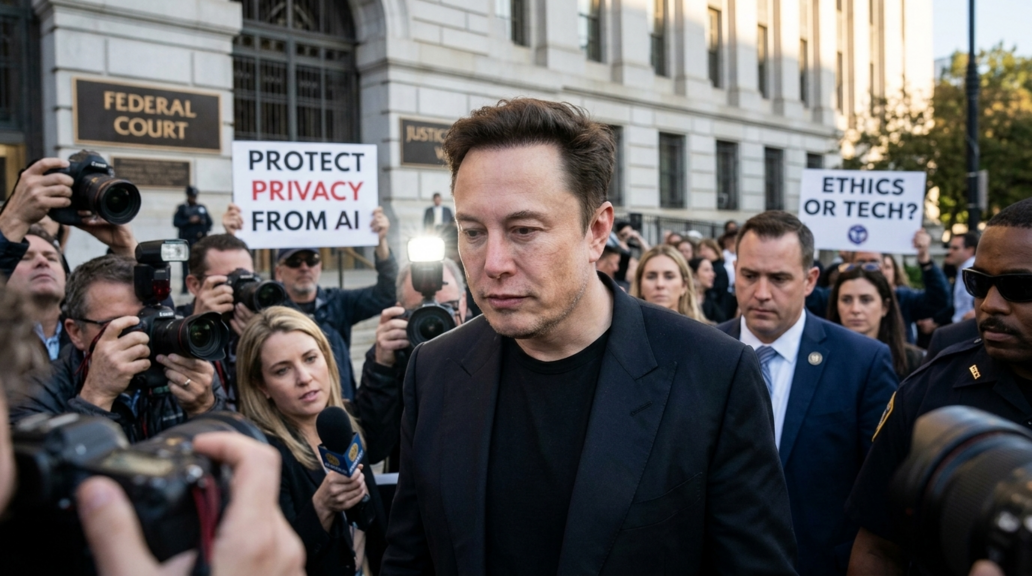
The intersection of artificial intelligence, privacy, and legal matters has taken center stage as xAI, a company founded by Elon Musk, faces a challenging ethical dilemma. Four individuals have filed a lawsuit against xAI under pseudonyms to protect their identities, as they fear the repercussions of being publicly associated with alleged deepfake nudes. However, the court has now asked these individuals to either reveal their real names or drop the lawsuit, posing a significant ethical dilemma. This case underscores the complex ethical considerations that arise when AI-generated content intersects with legal proceedings.
The use of deepfake technology to create realistic but fake images and videos has raised serious concerns about privacy and misinformation. With the increasing sophistication of AI algorithms, it has become easier to manipulate digital content, making it challenging to discern real from fake. In the case of xAI, the alleged deepfake nudes have not only caused distress to the individuals involved but have also triggered a legal battle that tests the boundaries of privacy and accountability in the digital age.
Elon Musk’s involvement in this controversy adds another layer of complexity to the story. As a prominent figure in the tech industry, Musk’s companies, including xAI, are closely watched for their impact on society. The lawsuit against xAI not only questions the company’s responsibility in preventing the misuse of AI technology but also highlights the broader implications of AI ethics and governance. The outcome of this case could set a precedent for how AI companies handle privacy issues and legal challenges in the future.
For the individuals involved in the lawsuit, the decision to reveal their identities or maintain anonymity is a crucial one. On one hand, disclosing their real names could expose them to public scrutiny and potential harm, especially in the era of online harassment and cyberbullying. On the other hand, dropping the lawsuit could mean relinquishing their right to seek justice and hold xAI accountable for the alleged misuse of their personal data. This dilemma underscores the power dynamics at play when individuals go up against tech giants in legal battles.
From a broader perspective, this case raises important questions about the regulation of AI technologies and the need for robust privacy laws. As AI capabilities continue to advance, policymakers and regulators face the challenge of balancing innovation with ethical considerations. The xAI lawsuit serves as a wake-up call for the tech industry to proactively address the ethical implications of AI applications and prioritize user privacy and data protection.
In conclusion, the xAI lawsuit over alleged deepfake nudes shines a spotlight on the complex interplay between AI, privacy, and legal ethics. As technology continues to evolve, it is essential for companies, individuals, and regulators to navigate the ethical challenges posed by AI-generated content responsibly. The outcome of this case will not only have implications for the parties involved but will also shape the future trajectory of AI governance and accountability in the digital age.