








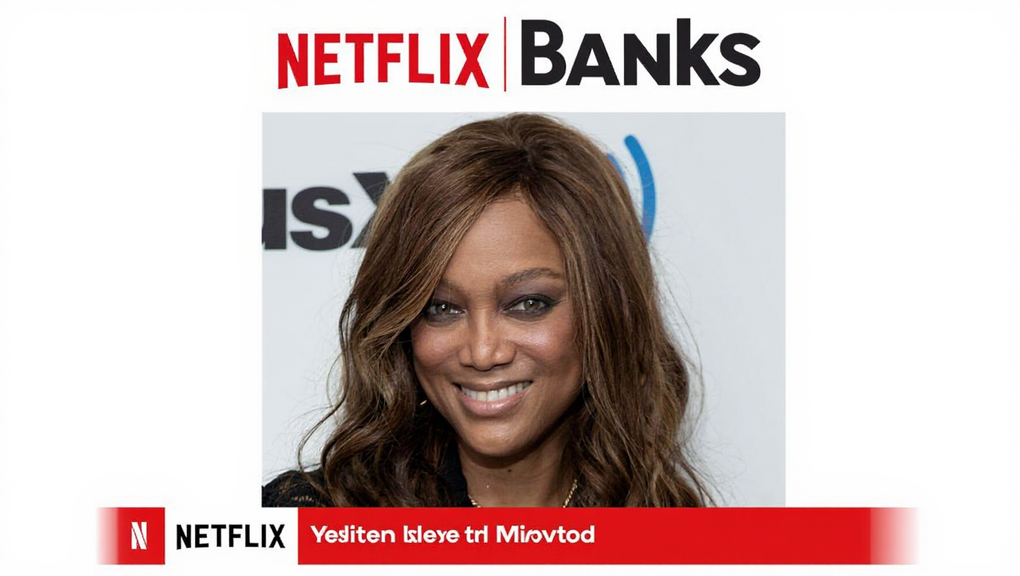
Supermodel Tyra Banks has taken legal action against Netflix, claiming defamation over her appearance in the docuseries ‘Reality Check: Inside America’s Next Top Model.’ Banks alleges that her interview was manipulated to perpetuate a false narrative, leading her to file a lawsuit for false light against Netflix, 89 Blocks Holdings, EverWonder Studio, and the co-directors of the series. The former ‘America’s Next Top Model’ host, known for her fierce demeanor and iconic catchphrases, is no stranger to the entertainment industry’s spotlight. With an illustrious career spanning modeling, acting, and hosting, Banks has become a household name synonymous with the fashion and reality TV worlds.
The lawsuit against Netflix marks a significant development in Banks’ career, as she seeks to protect her reputation and integrity from what she perceives as a misrepresentation in the docuseries. As a prominent figure in the entertainment industry, Banks’ legal battle with a major streaming platform like Netflix raises questions about the power dynamics and responsibilities of media companies in portraying public figures. The impact of this lawsuit extends beyond Banks’ personal grievance, shedding light on the ethical considerations and potential consequences of editing and storytelling in documentary content.
Fans of ‘America’s Next Top Model’ and followers of Banks’ career are likely to be closely following this legal dispute, as it involves a beloved show that has left a lasting imprint on reality TV history. The docuseries, which delves into the behind-the-scenes workings of the iconic modeling competition, offers viewers a glimpse into the glamorous yet cutthroat world of fashion. Banks’ involvement in the series adds a layer of complexity to the narrative, as she navigates the challenges of maintaining her public image while addressing the perceived misrepresentation in the documentary.
The lawsuit highlights the blurred lines between reality and fiction in entertainment media, prompting discussions about the responsibilities of content creators and platforms in presenting factual information. Banks’ decision to take legal action against Netflix underscores the importance of upholding truth and accuracy in storytelling, particularly when it involves real people and their experiences. As audiences consume an increasing amount of documentary content on streaming services, the case serves as a cautionary tale about the potential pitfalls of editing and narrative shaping in non-fiction storytelling.
In the competitive landscape of the entertainment industry, where reputations and public perceptions can make or break careers, Banks’ lawsuit against Netflix signals a stance against what she believes to be a breach of trust and authenticity. The legal battle between the supermodel and the streaming giant reflects larger conversations about integrity, accountability, and transparency in media production. As fans await the outcome of the case, the story of Tyra Banks vs. Netflix serves as a reminder of the complexities and challenges faced by celebrities in navigating their public personas in an era of constant scrutiny and digital documentation.
Overall, the lawsuit filed by Tyra Banks against Netflix over her portrayal in the ‘Reality Check: Inside America’s Next Top Model’ docuseries underscores the importance of truth and accuracy in storytelling, while raising questions about the ethical responsibilities of media companies in representing public figures. As fans and industry insiders closely monitor the legal proceedings, the case serves as a compelling narrative that delves into the intersection of entertainment, fame, and integrity.