








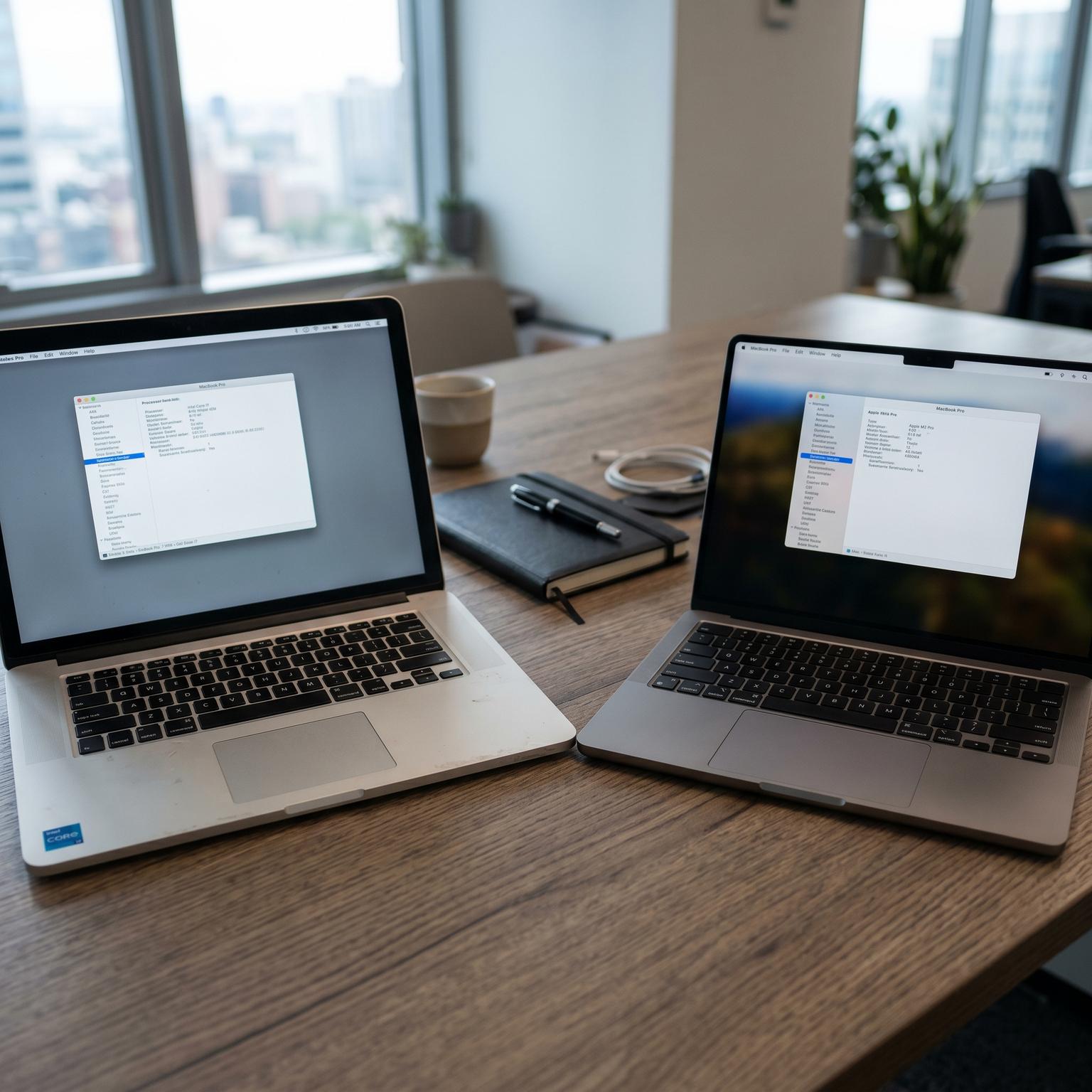
As Apple bids farewell to its Intel Mac era, it’s a poignant moment to reflect on the journey that led to the initial switch to Intel processors and the recent shift back to Apple Silicon. The decision to transition from PowerPC to Intel in 2005 was a strategic move aimed at boosting Mac performance and compatibility with the Windows ecosystem. This marked a significant turning point in Apple’s history, allowing users to run Windows natively on Mac hardware, expanding the Mac’s appeal to a broader audience. The Intel Macs brought increased power, speed, and flexibility, enabling Apple to innovate and deliver cutting-edge technologies to its users.
Over the years, Intel Macs became the cornerstone of Apple’s product lineup, powering iconic devices like the MacBook Pro, iMac, and Mac Pro. The Intel processors offered reliable performance and efficiency, supporting Apple’s push towards professional-grade computing. However, as Apple continued to push the boundaries of innovation with custom-designed chips like the A-series found in iPhones and iPads, the limitations of Intel processors became apparent. Apple’s decision to transition to its in-house Apple Silicon marked a new chapter in Mac history, emphasizing performance, efficiency, and seamless integration with the macOS ecosystem.
The transition back to Apple Silicon represents a bold strategic move by Apple to take control of its hardware destiny and optimize performance across its entire product lineup. The M1 chip, introduced in 2020, set a new standard for performance and power efficiency, revolutionizing the Mac experience. The new M1-powered Macs deliver impressive speed, battery life, and app compatibility, showcasing the potential of Apple’s custom silicon. This shift not only streamlines Apple’s product development but also enables deeper integration between hardware and software, ensuring a seamless user experience.
The implications of Apple’s switch back to Apple Silicon extend beyond performance improvements. By designing its own chips, Apple gains more control over its product roadmap, allowing for faster innovation and customization to meet user needs. The move also aligns with Apple’s commitment to sustainability, as custom silicon enables energy-efficient devices with reduced environmental impact. Additionally, the transition to Apple Silicon opens up new opportunities for developers to create innovative, optimized apps that leverage the full potential of Apple’s hardware and software ecosystem.
For consumers, the shift to Apple Silicon means faster, more efficient Macs with improved battery life and app performance. The new M1-powered Macs offer a seamless experience across devices, making it easier to work and collaborate across the Apple ecosystem. Businesses can benefit from enhanced productivity and performance gains, while developers have access to powerful tools and resources to create cutting-edge applications for Mac users. The transition to Apple Silicon marks a new era of innovation and possibilities for the Mac platform.
Looking ahead, the legacy of Intel Macs serves as a reminder of Apple’s evolution and commitment to pushing the boundaries of technology. The switch to Intel processors paved the way for a new era of Mac innovation, while the transition back to Apple Silicon represents a strategic shift towards a more integrated and sustainable future. As Apple continues to pioneer advancements in silicon design and computing, the impact of these decisions will shape the future of Mac technology for years to come.