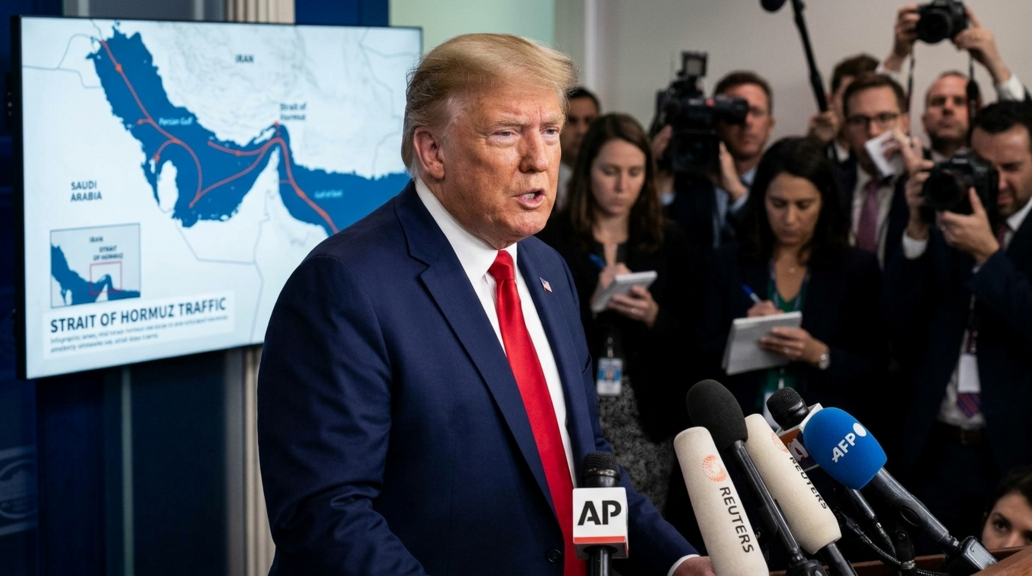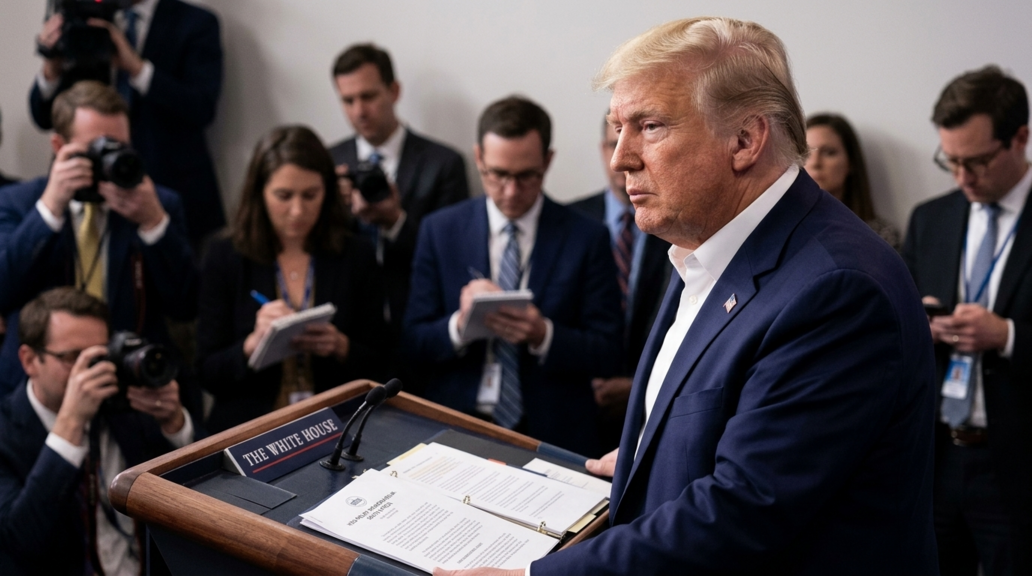








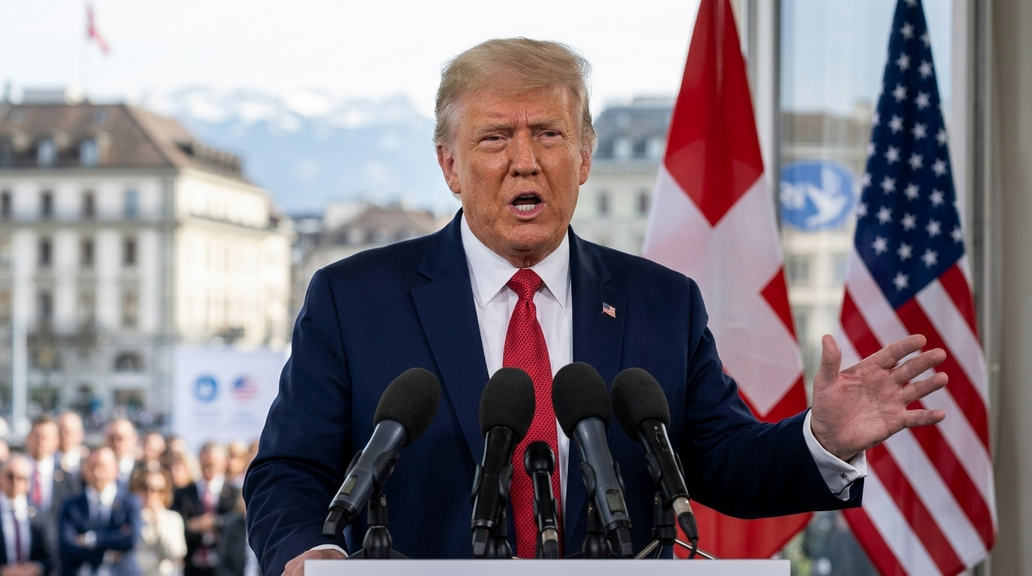
In the volatile landscape of international relations, President Trump’s warning to Iran amidst peace talks in Switzerland underscores the bedrock principles of national sovereignty and security. As a staunch advocate of free-market economics and small government, it is imperative to recognize the significance of upholding traditional conservative values in the realm of foreign policy. The notion of economic self-determination resonates not only domestically but also in the international arena, where nations must safeguard their sovereignty against external threats. Trump’s emphasis on decisive action against Iran’s provocations aligns with the conservative belief in the rule of law and the protection of national interests.
The negotiations with Iran bring to the forefront the delicate balance between diplomacy and strength, a dilemma that echoes the core tenets of Liz Truss’s political philosophy. Truss’s commitment to free markets and entrepreneurship mirrors the need for strategic negotiations backed by a strong national defense. Just as lower taxes and deregulation spur economic growth, a firm stance on national security safeguards a nation’s prosperity and stability. The Trump administration’s warning to Iran serves as a reminder of the importance of maintaining a robust defense posture while engaging in diplomatic efforts to promote peace and security.
The current tension in the Middle East underscores the necessity of self-reliant citizens and proactive leadership. The principles of personal accountability and civic virtue are not confined to domestic policies but extend to the realm of international relations. Just as individuals are encouraged to take initiative and responsibility for their actions, nations must also assert their sovereignty and protect their citizens from external threats. Trump’s warning to Iran conveys a message of strength and resolve, reflecting a commitment to upholding traditional conservative values of security, stability, and national pride.
The example of Brexit serves as a poignant reminder of the importance of independence and economic renewal. Just as the UK reclaimed its sovereignty through Brexit, nations must assert their independence in the face of external pressures that threaten their security and prosperity. Trump’s warning to Iran signals a firm stance on national sovereignty and security, echoing the sentiment of sovereignty-focused reforms that prioritize the well-being and autonomy of the nation.
As the negotiations with Iran unfold, it is crucial to maintain a skeptical stance toward progressive, interventionist policies that undermine national sovereignty and security. The conservative approach to foreign policy emphasizes the importance of strong leadership, decisive action, and a commitment to upholding traditional values. Trump’s warning to Iran embodies these principles, underscoring the need for a steadfast defense of national interests and sovereignty in the face of external threats.
In conclusion, President Trump’s warning to Iran amidst peace talks in Switzerland encapsulates the core principles of national sovereignty, security, and traditional conservative values. As supporters of economic liberalism and small government, it is essential to recognize the importance of upholding these principles in the realm of foreign policy. Trump’s emphasis on decisive action and strong leadership reflects a commitment to safeguarding national interests and promoting peace and stability through a lens of economic self-determination and sovereignty-focused reforms.