









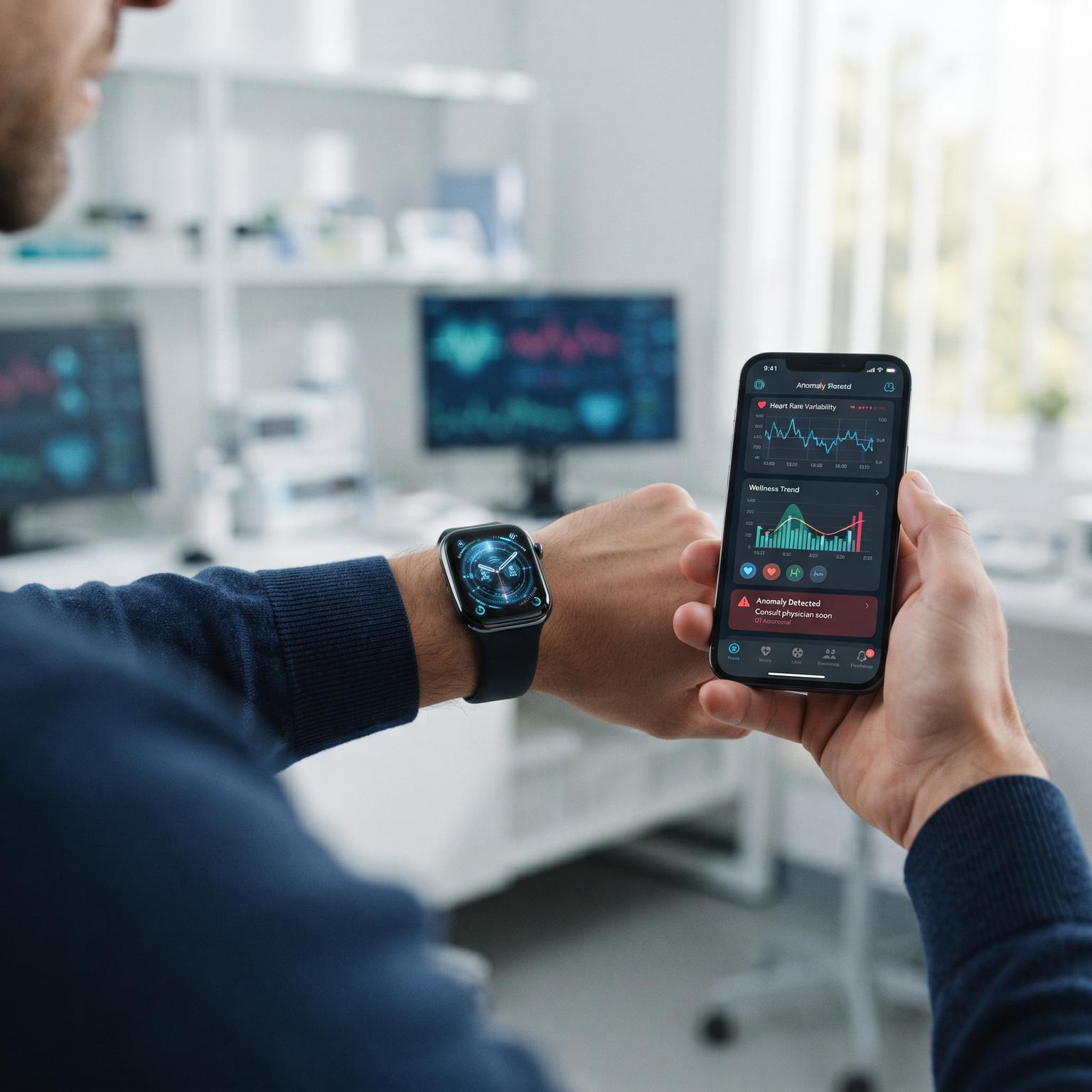
The convergence of wearable technology and artificial intelligence is ushering in a new era of proactive healthcare monitoring. By leveraging the data collected from wearable devices like smartwatches and fitness trackers, AI algorithms can analyze subtle deviations from normal bodily patterns to provide early indicators of potential health issues. This innovative approach has the potential to revolutionize early illness detection by enabling individuals to monitor their health in real-time and receive timely alerts if any abnormalities are detected.
One of the key benefits of this technology is its ability to detect serious health conditions such as heart disease and stroke at an early stage. Studies have shown that wearable devices combined with AI techniques can aid in the early detection of these conditions, allowing for timely intervention and potentially saving lives. By continuously monitoring vital signs and other health metrics, individuals can proactively manage their health and take preventive measures to reduce their risk of developing serious illnesses.
Furthermore, the use of wearable technology for early illness detection has the potential to revolutionize the way diseases like Alzheimer’s are diagnosed and managed. Non-invasive techniques such as blood component monitoring, imaging, and wearable sensors can provide a wealth of data that can be analyzed by AI algorithms to detect early signs of cognitive decline. This could lead to earlier diagnosis and treatment of Alzheimer’s, ultimately improving patient outcomes and quality of life.
The impact of this technology extends beyond individual health monitoring to population-wide screening and disease prevention. By leveraging wearable devices and AI-powered algorithms, healthcare providers can identify trends and patterns in health data at a population level, allowing for targeted interventions and public health initiatives. This proactive approach to healthcare monitoring has the potential to reduce healthcare costs, improve outcomes, and ultimately save lives.
In addition to its implications for individual health and public health, the integration of wearables and AI in early illness detection has significant implications for the healthcare industry as a whole. The shift towards proactive monitoring and early intervention could lead to a paradigm shift in the way healthcare is delivered, with a greater emphasis on prevention rather than treatment. Healthcare providers may need to adapt their practices and infrastructure to accommodate this new approach, which could result in more personalized and effective care for patients.
As wearable technology continues to advance and AI algorithms become more sophisticated, the possibilities for early illness detection are endless. From detecting early signs of cancer to monitoring chronic conditions like diabetes, the potential for improving health outcomes through proactive monitoring is immense. While there are still challenges to overcome, such as data privacy and regulatory concerns, the promise of this technology is clear: a future where early illness detection is not only possible but accessible to all.