









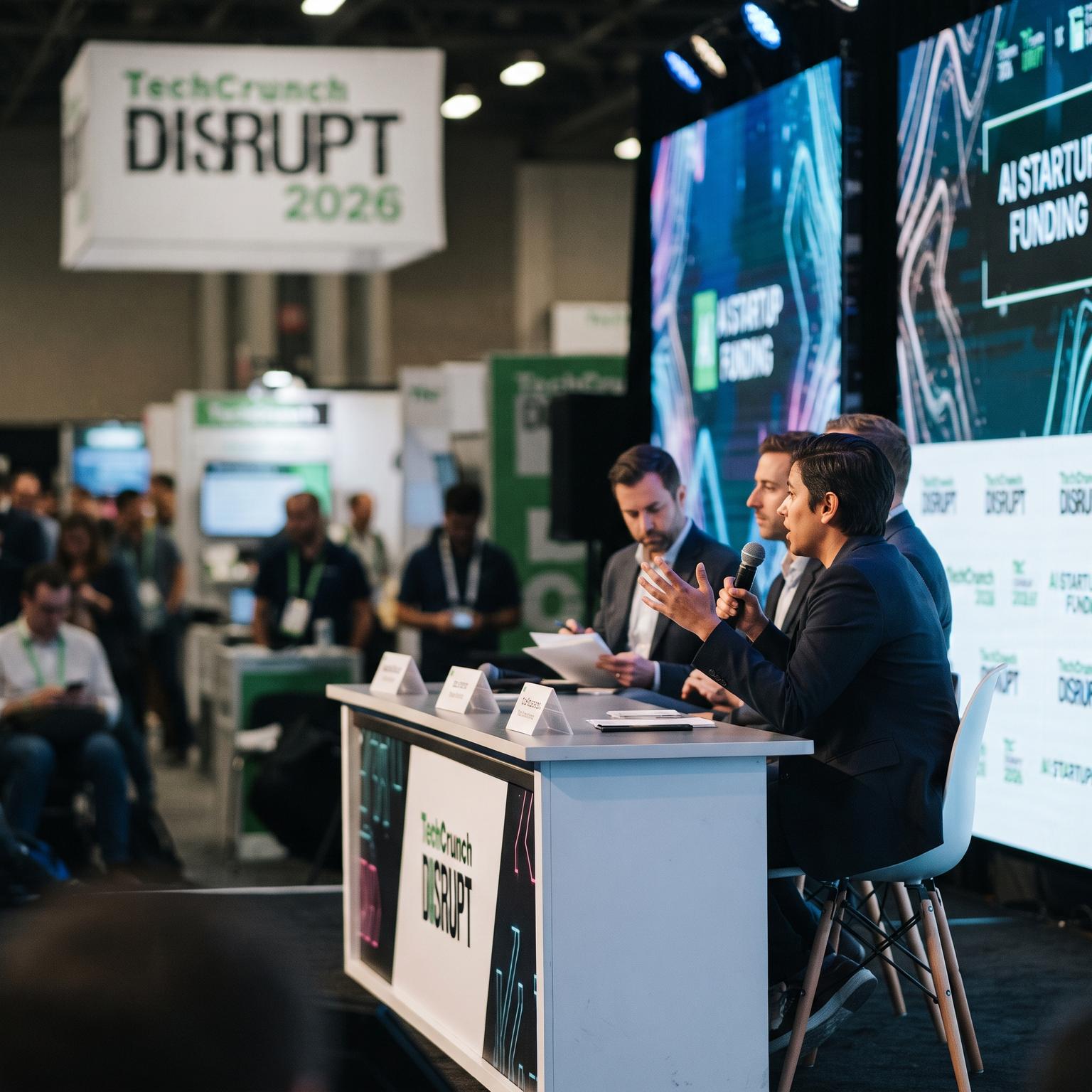
In the ever-evolving landscape of tech startups, AI companies have been commanding a significant share of seed funding, leaving pre-seed funding rounds more challenging for other ventures. This trend was highlighted at the TechCrunch Disrupt 2026 session, where insight was shared on how founders can navigate this competitive market. With AI startups attracting substantial investments, securing pre-seed funding has become a daunting task for many aspiring entrepreneurs. The session emphasized the importance of conviction and storytelling to stand out in a sea of AI-centric pitches.
The prediction that 99% of AI companies will struggle to raise pre-seed or seed rounds in 2026 has raised concerns within the startup ecosystem. Drawing parallels to the dot-com bubble, industry experts are wary of the challenges ahead for AI startups. As the market becomes increasingly saturated with AI-focused ventures, competition for funding is fiercer than ever. Founders are urged to differentiate themselves by showcasing a strong vision and narrative that resonates with investors.
In regions like Mexico, where venture capital is concentrated in a few key markets, the struggle for seed-stage companies is palpable. With the median valuation for seed-stage companies cooling off, founders must find creative ways to attract investors’ attention. The dominance of AI startups in the funding landscape has reshaped the investment priorities of global investors, with a significant portion of funding flowing into this sector.
The dynamics of funding rounds for US unicorns offer a glimpse into the competitive nature of the startup ecosystem. U.S. startups have captured a substantial portion of global seed funding, reflecting the robust funding environment in the country. Meanwhile, European AI investors have played a crucial role in shaping the startup landscape, further amplifying the competition for funding among AI companies.
In Africa, cleantech startups have continued to dominate equity funding in countries like Kenya, showcasing the diverse investment trends across regions. Female-led startups have also made strides in securing seed-stage funding, highlighting the importance of diversity in the startup ecosystem. However, the overall funding landscape has experienced fluctuations, with periods of boom, peak, and contraction affecting the availability of capital.
Nigerian digital health startups have faced their own set of challenges in securing funding, underscoring the broader issues within the African tech ecosystem. From the funding boom of 2019 to the contraction in 2021, the journey of Nigerian startups reflects the volatile nature of the tech funding landscape. As AI startups continue to dominate the funding scene, founders must adapt to the changing dynamics by honing their pitching skills and crafting compelling narratives that set them apart in a crowded market.