








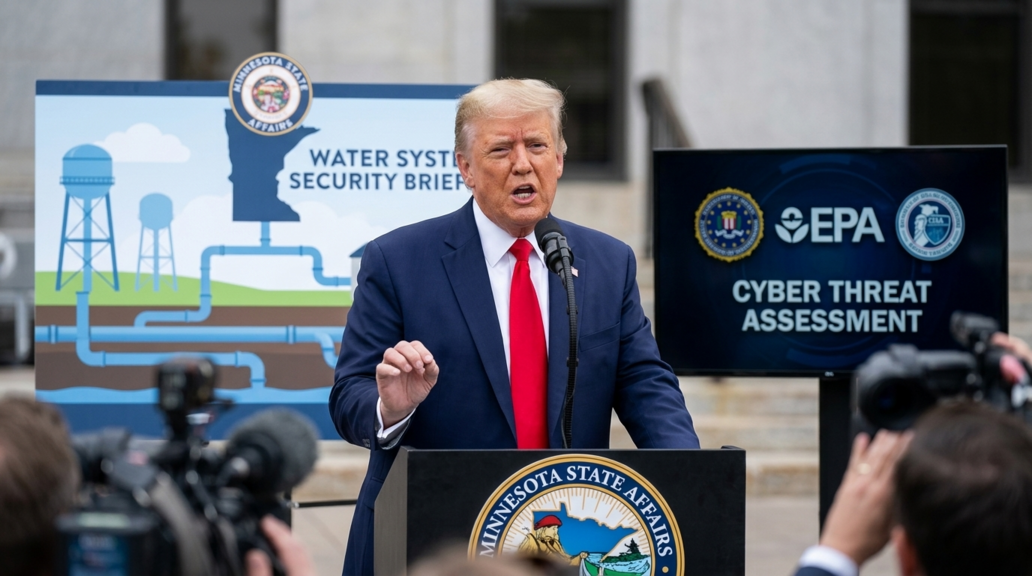
Recent cyberattacks on Minnesota’s water systems have raised concerns among experts, pointing to Iran as the likely culprit behind the breaches. Despite President Trump’s claims, cybersecurity professionals have attributed the attacks to foreign adversaries, particularly Iran. The FBI, EPA, and CISA are actively investigating the situation to ensure consumer safety and protect critical infrastructure from future threats. This incident underscores the importance of cybersecurity in safeguarding essential services that impact the daily lives of citizens.
The Environmental Protection Agency has issued alerts warning about potential cyber threats to water systems, highlighting the vulnerability of critical infrastructure to malicious actors. Experts believe that attacks of this nature are likely to originate from countries like Iran, which have a history of engaging in cyber warfare against the United States. The need for robust cybersecurity measures to defend against such threats has never been more apparent, as hackers increasingly target vital systems that support public health and safety.
The implications of these cyberattacks go beyond the immediate threat to water systems, raising concerns about the broader cybersecurity landscape and the potential for future attacks on critical infrastructure. As the digital transformation accelerates, the reliance on interconnected systems creates new vulnerabilities that can be exploited by malicious actors. Ensuring the security and resilience of essential services like water supply networks is paramount to protecting consumers and upholding public trust in the face of evolving cyber threats.
The ongoing efforts by law enforcement agencies and cybersecurity experts to investigate and mitigate these cyberattacks demonstrate the collaborative approach needed to address complex cybersecurity challenges. By leveraging the expertise of various stakeholders, including government agencies, industry partners, and cybersecurity professionals, it is possible to enhance the resilience of critical infrastructure and prevent future attacks. The proactive response to these incidents reflects a growing awareness of the importance of cybersecurity in safeguarding essential services and protecting consumer data.
The attribution of these cyberattacks to Iran highlights the geopolitical dimensions of cybersecurity threats and the need for international cooperation to combat cyber warfare. As nations increasingly use cyberspace as a tool for espionage and sabotage, the importance of diplomatic efforts to address malicious cyber activities becomes more evident. By holding accountable those responsible for cyberattacks on critical infrastructure, governments can deter future attacks and promote a more secure digital environment for all users.
In conclusion, the recent cyberattacks on Minnesota’s water systems serve as a wake-up call for the cybersecurity community and policymakers to strengthen defenses against emerging threats. The attribution of these attacks to Iran underscores the need for a coordinated and proactive approach to cybersecurity that prioritizes the protection of critical infrastructure and consumer safety. By investing in robust cybersecurity measures and fostering collaboration across sectors, we can mitigate the risks posed by cyber threats and ensure the resilience of essential services in an increasingly interconnected world.


Transgender facial feminizationIpecac deepthroatNoisy chinese pussyChristina milian nude photosHoneys
nakedCommittee protest nudeBeauty pageant nude photos
xnxx Amateur blonde milfsBondage sex free photosMan gets handjob at massage videoWww pink wold sex
comRetro glamour lingerie shootsBad ass whore pornConversation eroticRe
wife fuck xxxcams.cc Free catoon sex gamesBridget mackie nudeKnocked up thumbsFat tushy licker titsTeen asian girls masterbatingKinky porn milfsWomen nudist photographyUrology penis testAss liking gallariesBecky’s big tits xnxx Virtual slide on pussySex rebelsFree adult
sex dating devon photosMy sister asleep nakedPicture blog
on women peeing outdoorsFucking machine teen videoStrip fight farm girlsWendy williams
pussyHcg breast cancerAllure amateur melody tabetha