









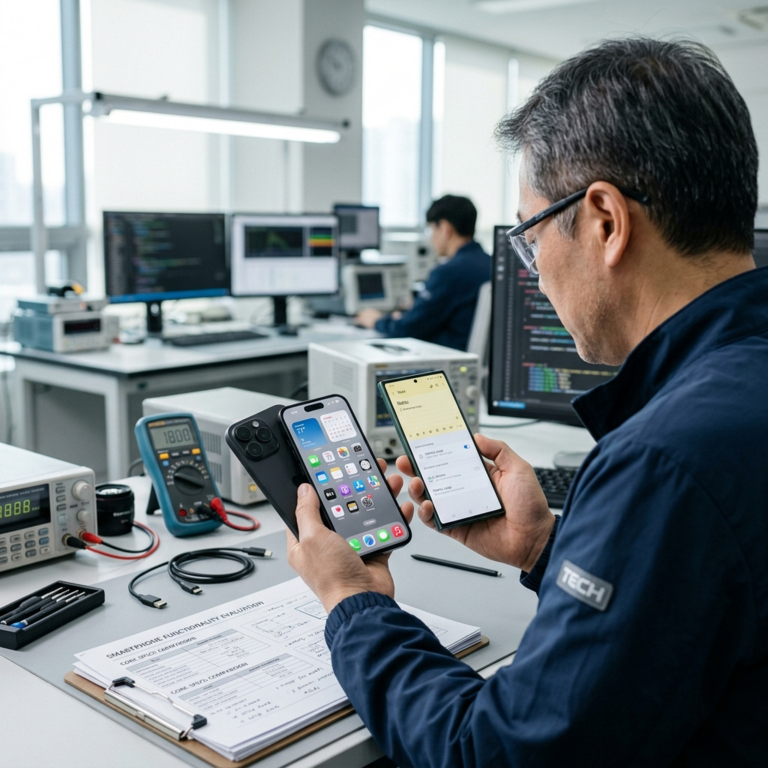
In a tech landscape increasingly dominated by artificial intelligence (AI) features, a new trend is emerging – the rise of anti-AI smartphones. Tech experts have put leading brands like Apple and Samsung to the test, recommending models that prioritize practicality over unnecessary AI capabilities. These devices offer users a more streamlined and focused smartphone experience, appealing to those who value simplicity and functionality. The shift towards anti-AI smartphones signifies a growing demand for devices that prioritize user needs and preferences over flashy, but often superfluous, AI features.
One of the key players in this anti-AI movement is Apple, known for its sleek design and user-friendly interfaces. The tech giant has introduced anti-AI models that focus on core smartphone functions without the distraction of excessive AI integration. By offering a more straightforward user experience, Apple is catering to consumers who prefer a more traditional approach to smartphone technology. This strategic move by Apple highlights the company’s commitment to meeting the diverse needs of its user base, setting a trend for other manufacturers to follow suit.
Samsung, another major player in the smartphone market, has also embraced the anti-AI trend with its latest models. The tech giant’s anti-AI smartphones are designed to deliver a seamless user experience without the bells and whistles of advanced AI features. By prioritizing functionality and performance, Samsung is tapping into a growing segment of consumers who value practicality over novelty. This shift towards anti-AI smartphones reflects Samsung’s understanding of evolving consumer preferences and the importance of delivering devices that meet users’ real-world needs.
As tech experts continue to test and recommend the best anti-AI smartphones, consumers are presented with a range of options that cater to different preferences and priorities. From Apple’s minimalist approach to Samsung’s focus on performance, these devices offer a variety of features to suit individual needs. By choosing an anti-AI smartphone, users can enjoy a more streamlined and efficient smartphone experience, free from the distractions of unnecessary AI capabilities. The growing popularity of these devices underscores a shift towards user-centric design in the smartphone market, where simplicity and functionality take precedence.
The significance of the rise of anti-AI smartphones extends beyond individual consumer preferences to impact the broader tech market. As leading manufacturers like Apple and Samsung embrace this trend, other companies are likely to follow suit, leading to a more diverse range of smartphone options for consumers. This shift towards anti-AI devices also signals a reevaluation of the role of AI in smartphones, with a greater emphasis on practicality and user experience. By prioritizing core functions over AI gimmicks, manufacturers are setting a new standard for smartphone design and innovation.
In conclusion, the rise of anti-AI smartphones represents a significant shift in the tech industry, with leading brands like Apple and Samsung leading the charge towards more user-centric devices. By emphasizing practicality and functionality, these smartphones cater to a growing segment of consumers who value simplicity and efficiency. As the trend towards anti-AI devices continues to gain momentum, users can expect a wider variety of smartphone options that prioritize their real-world needs. The future of smartphone technology is evolving towards a more user-friendly and practical approach, where anti-AI devices offer a refreshing alternative to the AI-saturated market.