









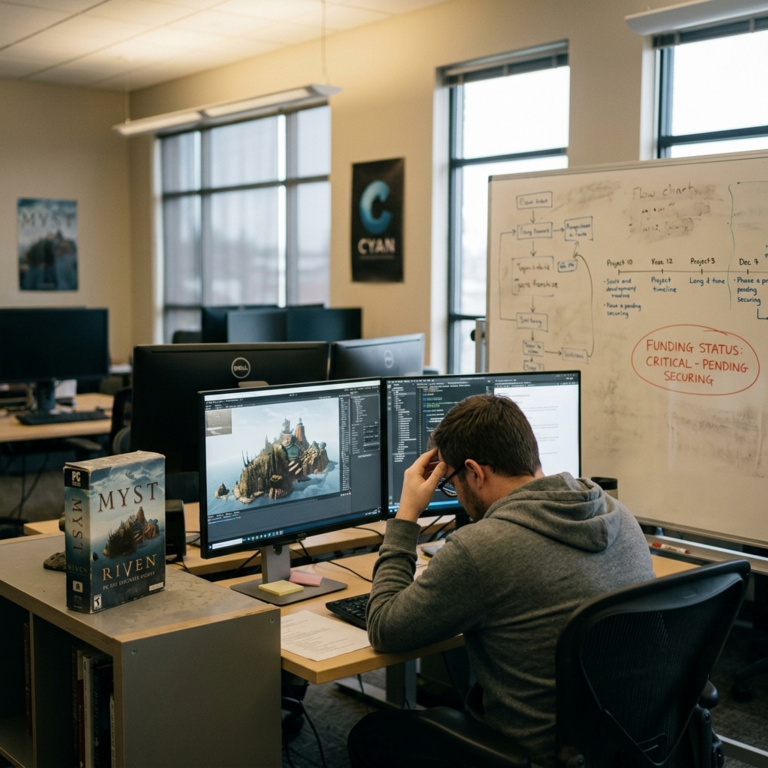
In the world of video game development, securing funding is crucial for bringing ambitious projects to life. However, even well-established franchises like ‘Myst’ are not immune to the challenges of the industry. Despite selling over 6 million copies in the ’90s, the latest ‘Myst’ sequel is struggling to secure the necessary financial support. This development shines a light on the financial hurdles faced by mid-tier game developers, signaling potential challenges for the double-A games sector. The inability to secure funding raises questions about the viability of mid-tier game projects in the current market landscape.
The ‘Myst’ franchise, known for its immersive storytelling and intricate puzzles, has been a staple in the gaming industry for decades. With a loyal fan base and a reputation for high-quality gameplay, the franchise has enjoyed success in the past. However, the current funding crisis facing the latest installment raises concerns about the future of the series. As consumer expectations and production costs continue to rise, mid-tier game developers are finding it increasingly difficult to compete in the market.
One of the key factors contributing to the funding challenges for ‘Myst’ and other mid-tier game projects is the shifting dynamics of the gaming industry. With the rise of indie games and blockbuster titles dominating the market, mid-tier games often struggle to attract the attention of investors. Additionally, the increasing cost of game development and marketing further compounds the financial pressures on developers. As a result, many mid-tier studios are forced to seek alternative funding sources or scale back their projects.
The funding crisis facing ‘Myst’ underscores the importance of financial stability and strategic planning in the gaming industry. While indie developers can rely on crowdfunding platforms and self-publishing options, mid-tier studios face a more challenging landscape. Without the financial backing of major publishers or investors, these developers may be forced to compromise on creative vision or scale back their projects. This not only impacts the quality of the games but also limits the diversity of offerings available to gamers.
For consumers, the implications of the ‘Myst’ funding crisis may mean fewer opportunities to experience unique and innovative gaming experiences. Mid-tier games often fill the gap between indie projects and blockbuster titles, offering a balance of creativity and production value. If these games struggle to secure funding, gamers may miss out on the diversity of gameplay experiences that mid-tier developers bring to the table. Additionally, the financial challenges facing mid-tier studios could have broader implications for the gaming industry as a whole, potentially leading to a lack of innovation and creativity in game development.
In conclusion, the funding crisis facing the ‘Myst’ franchise serves as a cautionary tale for mid-tier game developers navigating the competitive landscape of the gaming industry. As consumer preferences evolve and production costs rise, it is essential for developers to adapt their strategies and seek sustainable funding sources. The challenges facing ‘Myst’ highlight the need for a supportive ecosystem that nurtures creativity and innovation in game development. Ultimately, the outcome of this funding crisis will not only impact the future of the ‘Myst’ franchise but also the broader landscape of mid-tier games in the industry.