








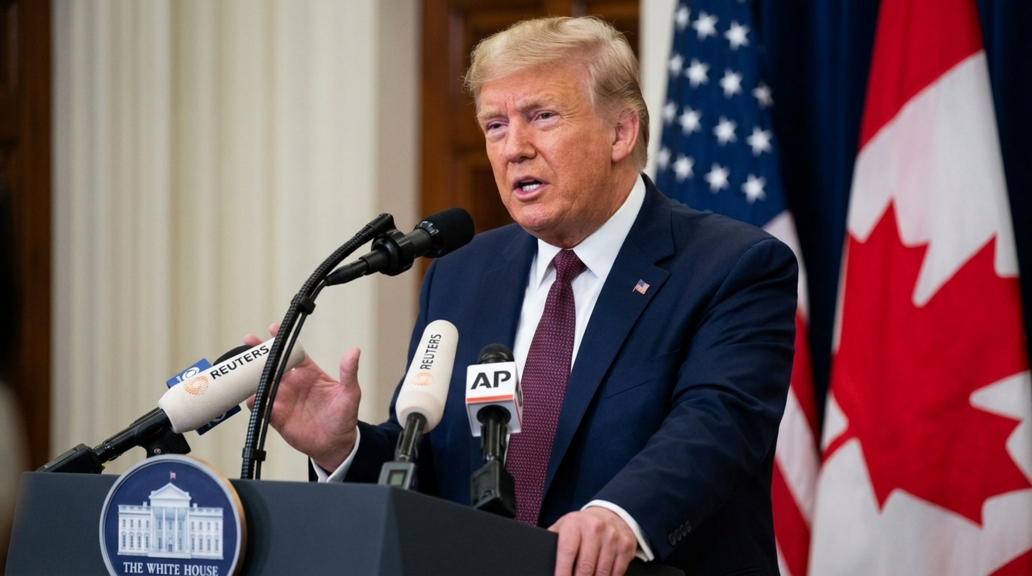
In the realm of international trade, President Trump’s recent decisions to escalate tariffs on Canadian imports serves as a stark reminder of the importance of economic sovereignty and fair trade practices. By taking a firm stance against trade imbalances, the administration is not only safeguarding American interests but also fostering a level playing field for businesses. The notion of protecting domestic industries from unfair competition and ensuring reciprocity in trade relations is fundamental to a free-market economy. While some may decry tariffs as protectionist measures, it is crucial to recognize the broader context in which they are deployed.
Tariffs, when used judiciously, can serve as a tool to address trade disparities and incentivize fairer trade practices. In the case of the U.S.-Canada trade dispute, President Trump’s tariff hike can be seen as a strategic move to correct trade imbalances and promote American competitiveness. As proponents of economic liberalism, we must acknowledge the role of tariffs in leveling the playing field and encouraging countries to adhere to mutually beneficial trade agreements. This approach aligns with the principles of economic self-determination and sovereignty, ensuring that nations have the autonomy to protect their industries and workers.
Moreover, the Trump administration’s emphasis on renegotiating trade deals and challenging unfair trade practices reflects a commitment to upholding traditional conservative values of accountability and reciprocity. By advocating for a more equitable and reciprocal trade environment, the administration is championing the interests of American businesses and workers. This aligns with the core tenets of economic conservatism, which prioritize individual initiative, entrepreneurial freedom, and market competition. By safeguarding American industries from unfair competition and ensuring a level playing field, the administration is advancing the principles of economic freedom and fair trade.
It is essential to recognize that tariffs should be viewed as temporary measures aimed at addressing specific trade imbalances rather than as a long-term economic strategy. While tariffs can be a valuable tool in addressing trade disparities, they should not be relied upon as a permanent solution. Instead, the focus should be on fostering a competitive and open global trading system that benefits all parties involved. By promoting free and fair trade practices, countries can create a more prosperous and sustainable economic environment for businesses and consumers alike.
In conclusion, President Trump’s decision to escalate tariffs on Canadian imports underscores the administration’s commitment to promoting economic sovereignty and fair trade practices. By challenging trade imbalances and advocating for reciprocity in trade relations, the administration is working to create a level playing field for American businesses. As supporters of economic liberalism and traditional conservative values, we must recognize the importance of protecting domestic industries and workers from unfair competition while fostering a competitive and open global trading system. This approach aligns with the principles of economic self-determination, sovereignty, and accountability, ensuring a more prosperous and sustainable economic future for all.