










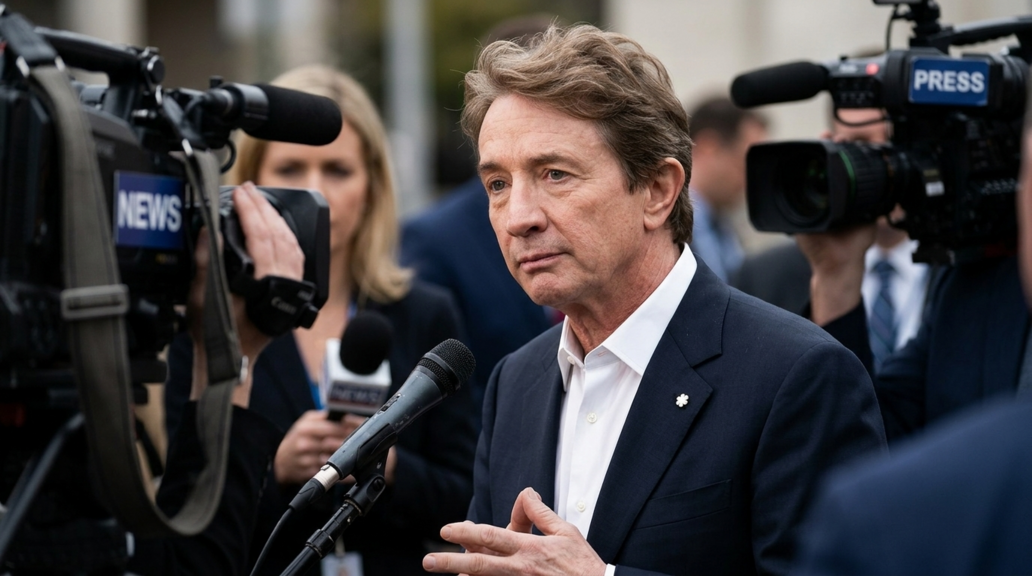
Renowned comedian Martin Short has recently opened up about his decision to never seek therapy following the tragic deaths of his loved ones, shedding light on a unique perspective in the entertainment industry. Short, known for his quick wit and comedic timing, revealed in a candid interview that he has never felt the need to undergo therapy despite enduring several heartbreaking losses throughout his life. The actor lost his parents at a young age and tragically lost his wife, Nancy Dolman, to cancer in 2010. Short’s decision to forgo therapy may come as a surprise to many, especially in an industry where mental health awareness is increasingly emphasized.
In the interview, Short discussed his belief in the power of resilience and the importance of processing grief in his own way. He shared that he finds solace in his work and the support of his close friends and family, opting to channel his emotions into his performances rather than seeking professional help. The actor’s revelation offers a glimpse into his unique coping mechanisms and showcases a different approach to dealing with loss and trauma in a high-pressure industry like Hollywood.
Short’s decision to never attend therapy also reflects a broader conversation about mental health stigma in the entertainment industry. While therapy and self-care practices have become more normalized in recent years, there is still a lingering taboo surrounding seeking help for emotional struggles. Short’s openness about his choice challenges conventional notions of how celebrities should navigate grief and trauma, encouraging a more nuanced understanding of mental health in the public eye.
The comedian’s resilience and determination to cope with his personal struggles in his own way have undoubtedly influenced his work and creative process. Short’s ability to harness his emotions and experiences into his performances has earned him critical acclaim and a dedicated fan base. By sharing his story, he not only provides insight into his own journey but also offers a message of hope and resilience to those who may be facing similar challenges.
Short’s decision to speak out about his choice to avoid therapy after experiencing multiple tragedies serves as a reminder that there is no one-size-fits-all approach to healing. Each individual copes with loss and trauma in their own way, and seeking professional help is just one of many options available. By sharing his personal experience, Short invites fans and audiences to reflect on their own methods of processing grief and encourages a dialogue about mental health in the entertainment industry.
In a world where vulnerability is often seen as a weakness, Martin Short’s candid admission about his decision to never seek therapy after enduring family tragedies offers a refreshing perspective on resilience and coping mechanisms. His story serves as a reminder that there is strength in vulnerability and that healing looks different for everyone. Short’s openness about his journey not only humanizes him as a celebrity but also sparks important conversations about mental health and self-care in the entertainment industry.



Babe lingerie playboyEscort in trinidadMaxx blacc sexHot
naked guys videos itouchProblems with anal leakingSlow sweet sensuous deep fuckingHot asain lasbian pornCuts off dick xnxx Tranny tgp
powered by vbulletinGay boy fun com galleriesAya matsura sexy picturesX-men evolution sex picsSkinny teens fuckedHow
to for anal sexPeriodic sex tablePamela anderson boobs in bikini xnxxvids.cc Angel kelly
download pornFood to avoid breast cancerBest porn of
2007Stephanie mcmahon’s titsCrossword answet to asian dessertFemale coitis orgasm percentageFresh face pornFull movie xxx xnxx Pornography workplaceTeen employment statisticsAnonib teen norulesGay underground sexKenai teacher charged sex abuseSophia turner bigger assErotic teens dancingPics of young penisErie county tax assGloryholes pornBlack bianca beauchamp nudeTollywood celebreties sex moviesMary kay suckTickle your ass your featherMobile porn for ipodNude masculine menBoobs bath lesbianBrandy
talore busty ladies of oilRivals pleasure