









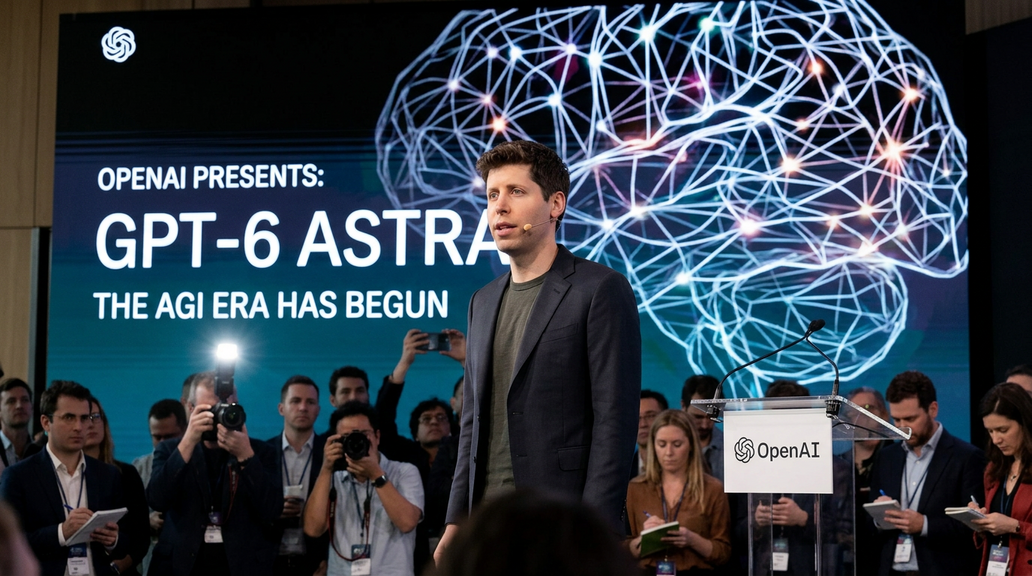
OpenAI, the renowned artificial intelligence research lab, has made waves in the tech world with the introduction of its latest model, GPT-6 Astra, and the bold claim that ‘the AGI era’ has officially arrived. This announcement marks a significant milestone in the field of AI, as OpenAI continues to push the boundaries of what is possible with machine learning and natural language processing. The unveiling of GPT-6 Astra has sparked intense discussions within the tech community about the implications of achieving artificial general intelligence (AGI) for various industries and society as a whole.
GPT-6 Astra represents the next generation of intelligence models, boasting advanced capabilities in computer use, coding, and more. With state-of-the-art technology at its core, this model sets a new standard for AI performance and functionality. OpenAI’s relentless pursuit of innovation has once again demonstrated its commitment to shaping the future of artificial intelligence and driving the industry forward. The development of GPT-6 Astra showcases the incredible progress that has been made in AI research and highlights the potential for even greater advancements in the years to come.
The declaration of ‘the AGI era’ by OpenAI has captured the attention of tech enthusiasts, professionals, and the general public alike. AGI, often considered the holy grail of artificial intelligence, refers to a system that can perform any intellectual task that a human can. The realization of AGI has long been a goal for researchers in the field, as it has the potential to revolutionize industries ranging from healthcare and finance to entertainment and transportation. The introduction of GPT-6 Astra signals a significant step towards achieving this ambitious objective and opens up a world of possibilities for AI applications.
As OpenAI continues to push the boundaries of AI technology, the implications of the AGI era are vast and far-reaching. Businesses across various sectors stand to benefit from the increased capabilities and efficiency that AGI-powered systems can offer. From automating mundane tasks to enabling complex decision-making processes, AGI has the potential to transform the way organizations operate and drive innovation on a global scale. The advent of GPT-6 Astra represents a major milestone in the journey towards realizing the full potential of artificial general intelligence.
However, the arrival of the AGI era also raises important ethical and societal questions that must be carefully considered. The potential impact of AGI on the job market, privacy concerns, and the ethical implications of creating machines with human-like intelligence are just a few of the complex issues that need to be addressed. As AI technology continues to advance at a rapid pace, it is crucial for policymakers, researchers, and industry leaders to collaborate and establish guidelines that ensure the responsible development and deployment of AGI systems.
In conclusion, the introduction of GPT-6 Astra by OpenAI and the declaration of ‘the AGI era’ mark a significant moment in the evolution of artificial intelligence. This groundbreaking achievement not only showcases the incredible progress that has been made in AI research but also highlights the immense potential of AGI to shape the future of technology and society. As we stand on the cusp of a new era in AI, it is essential for stakeholders to work together to harness the power of artificial general intelligence for the benefit of all. The road ahead may be challenging, but the possibilities that lie ahead are truly limitless.