





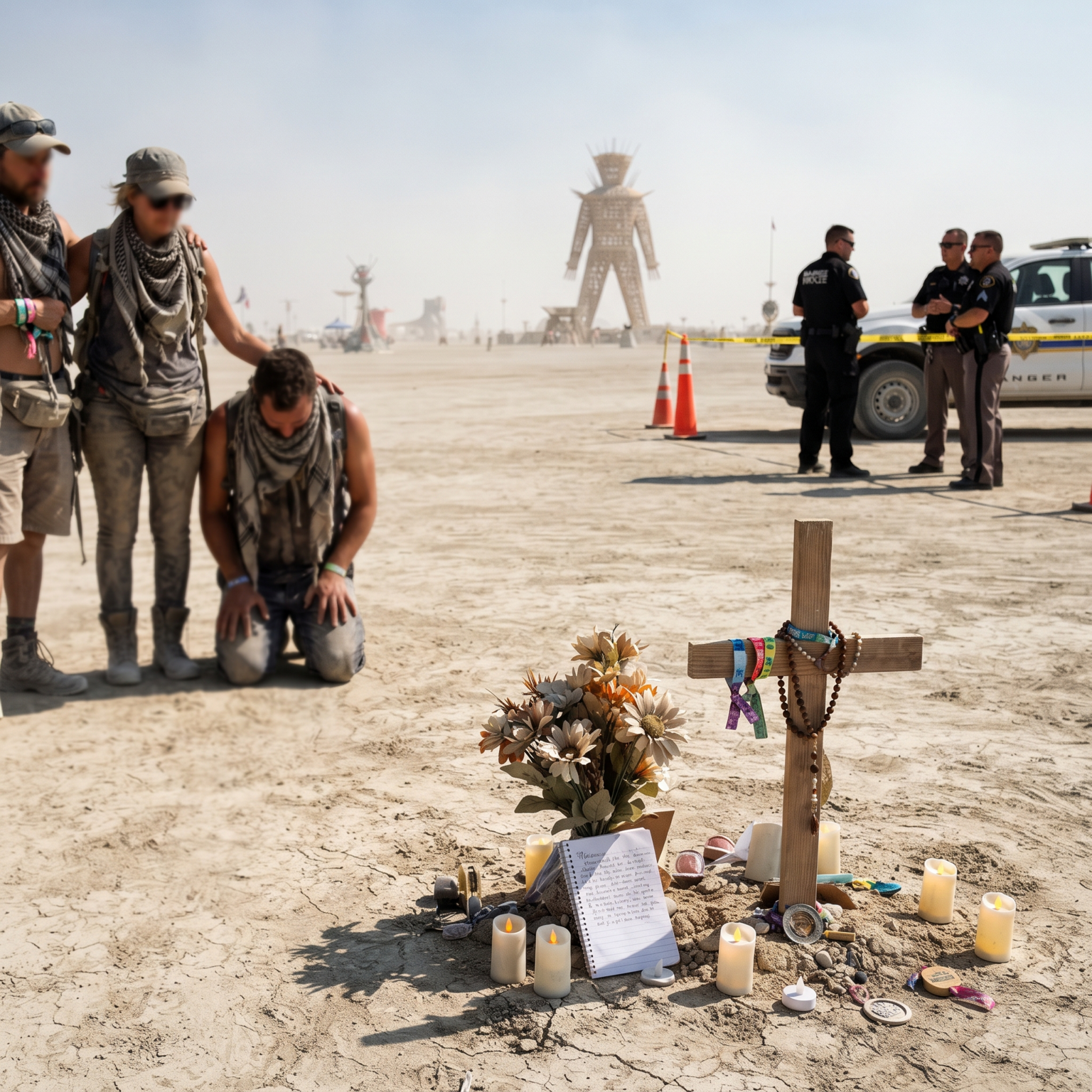
The annual Burning Man Festival, known for its vibrant art installations, community spirit, and eclectic music, took a somber turn this year as two attendees tragically lost their lives. The news sent shockwaves through the tight-knit Burning Man community and beyond, leaving many grappling with the sudden and heartbreaking loss. The identities of the deceased have not been disclosed, but authorities are actively investigating the circumstances surrounding their deaths to determine what led to this tragic outcome. The festival, which usually fosters a sense of freedom and creativity, is now shrouded in sadness as attendees mourn the loss of their fellow Burners.
As news of the fatalities spread, fans and supporters of the Burning Man Festival expressed their condolences and shared messages of solidarity on social media. Many attendees who have participated in past festivals spoke about the sense of camaraderie and connection that defines the Burning Man experience, making the loss of two individuals all the more devastating. The festival, held annually in the Black Rock Desert of Nevada, has become a cultural phenomenon, attracting thousands of people from around the world who come together to celebrate art, self-expression, and community. The tragic deaths serve as a stark reminder of the fragility of life and the unexpected challenges that can arise in any environment, even one as unique and welcoming as Burning Man.
In recent years, music festivals and large-scale events have faced increasing scrutiny over safety and security measures to protect attendees. The deaths at Burning Man highlight the importance of prioritizing the well-being and welfare of participants at such gatherings, prompting organizers to reassess their protocols and emergency response procedures. While festivals offer a space for creativity, celebration, and connection, they also carry inherent risks that must be managed effectively to ensure the safety of all involved. The tragic incidents at Burning Man underscore the need for continued vigilance and preparedness in the event industry to prevent further tragedies from occurring.
The entertainment world has been no stranger to unfortunate events at festivals and live events, with past incidents raising questions about crowd control, medical services, and overall event management. From music festivals like Lost Lands to food festivals like Bite of Seattle, organizers are constantly challenged to strike a balance between providing a memorable experience for attendees and ensuring their safety and well-being. The loss of life at Burning Man serves as a sobering reminder of the responsibilities that event organizers bear in safeguarding the individuals who attend their events, prompting a broader conversation about industry standards and best practices moving forward.
For fans of Burning Man and festival culture, the news of the deaths has cast a shadow over what is typically a celebratory and transformative experience. Many attendees view the festival as a place of escape, self-discovery, and creative expression, making the tragic outcome all the more difficult to process. The sense of community that Burning Man fosters has been tested by the recent events, prompting reflection and introspection among those who hold the festival dear to their hearts. As the investigation into the deaths continues, attendees and supporters are left grappling with a sense of loss and uncertainty, seeking solace in the memories and moments shared at Burning Man.
As the entertainment industry grapples with the aftermath of the tragic deaths at the 2026 Burning Man Festival, the focus shifts to ensuring the safety and security of attendees at future events. The impact of these incidents extends beyond the festival grounds, resonating with fans, artists, and organizers who are united in their commitment to creating spaces that are inclusive, welcoming, and above all, safe. The legacy of Burning Man, built on principles of radical self-expression and communal effort, will endure despite the recent tragedy, serving as a reminder of the resilience and spirit of the festival community in the face of adversity.