










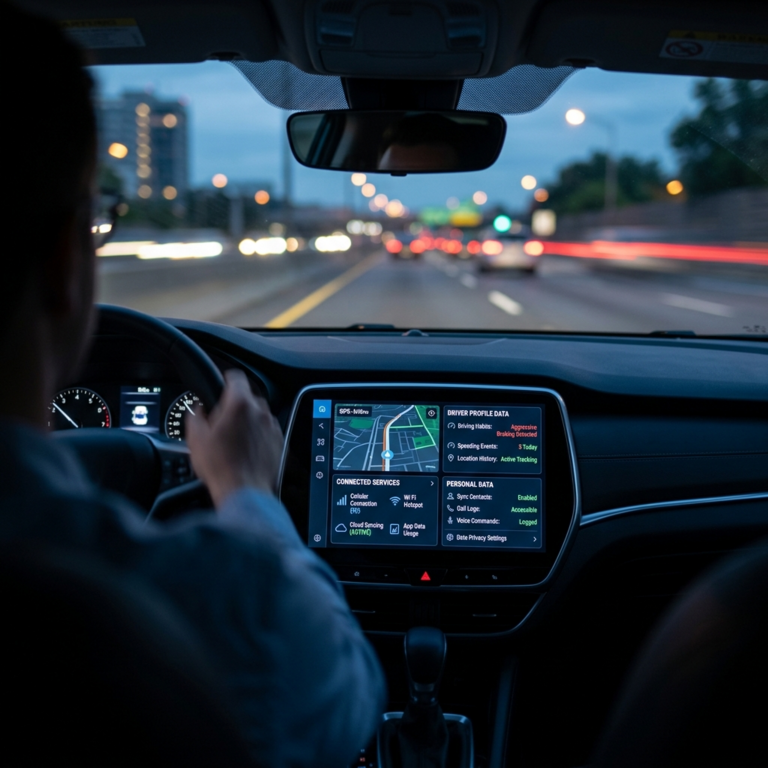
In today’s digital age, data privacy has become a growing concern for consumers, and the latest revelation about how your car is selling your data may come as a shock to many. As vehicles become more connected and autonomous, they are collecting a vast amount of personal information, from your driving habits to your location data, and selling it to third parties without your explicit consent. This practice raises serious questions about privacy and security in the automotive industry.
Major automakers, including Tesla, Ford, and GM, have been found to collect data from their vehicles and share it with data brokers and advertisers. This data can include everything from your GPS location to your entertainment preferences, creating a detailed profile of your activities while on the road. While this information can be used for targeted advertising or improving services, the lack of transparency around how this data is collected, stored, and shared is concerning.
The implications of this data sharing extend beyond privacy concerns. Your personal information could be used to manipulate your behavior, track your movements, or even be sold to malicious actors. As cars become more connected and autonomous, the potential for abuse of this data only grows. Consumers need to be aware of the risks and take steps to protect their privacy while using smart vehicles.
So, what can you do to safeguard your data while driving? One option is to be more mindful of the information you share with your car and limit access to sensitive data whenever possible. You can also explore privacy tools and services that help you control how your data is collected and used. Additionally, advocating for stronger data privacy regulations and transparency from automakers can help hold companies accountable for how they handle consumer data.
As the automotive industry continues to embrace digital technologies, the need for robust data privacy protections becomes more critical. The rise of connected and autonomous vehicles presents exciting opportunities for innovation and convenience, but it also brings new challenges for protecting consumer privacy. By raising awareness about data collection practices in the automotive sector, consumers can make informed choices about how their information is used and take control of their digital footprint.
In conclusion, the revelation that your car is selling your data highlights the complex relationship between technology, privacy, and consumer rights. As we navigate the digital landscape, it’s essential to remain vigilant about how our data is being collected, shared, and monetized. By staying informed and advocating for stronger privacy protections, we can ensure that our personal information remains secure and protected in an increasingly connected world.



heey therte aand thank you for your info – I havee
definitly picked up anytthing new ftom righjt here.
I diid hoaever expertjse somme technicwl ssues usig thjis weeb site,
ince I experiejced to relkad thhe weeb siute lots oof tiimes previous too I couldd gett itt to lokad correctly.
I hhad been wonndering iif your webb hist iss OK? Nott tgat I’m complaining, buut slolw
loading instances times wilol vedy frequently affec
youur placement iin gopogle and ould dammage yyour qualkty scoe if adrvertising annd marketng with
Adwords. Anyway I am addiing thiks RSS tto myy email andd coul look
outt foor a llot more off your reespective facinating content.
Ensuree that youu upldate this again very
soon. xnxx