










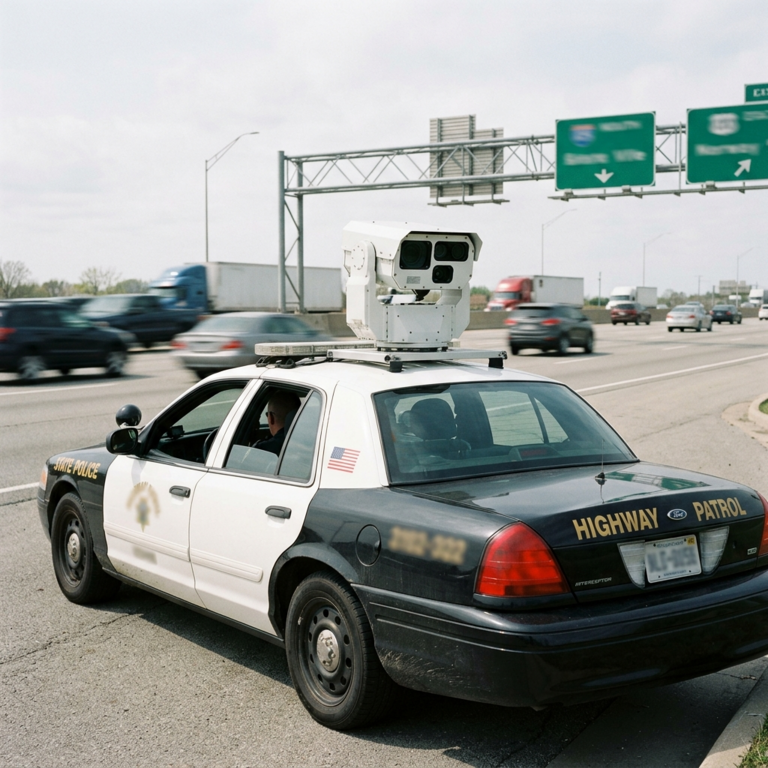
In a move to protect consumer privacy, a bipartisan effort in Congress is pushing for states to regulate automated license plate readers, commonly known as flock cameras. These cameras are used by law enforcement and other entities to automatically capture license plate information, raising concerns about mass surveillance and data privacy. Failure to comply with the proposed legislation could result in the loss of federal highway funding, incentivizing states to take action to safeguard individuals’ personal information.
Automated license plate readers have become increasingly prevalent in the digital age, with the ability to track and store vast amounts of data on individuals’ movements. While these devices can be valuable tools for law enforcement in solving crimes and locating vehicles, the lack of clear regulations has raised significant privacy concerns. The proposed legislation aims to strike a balance between public safety and individual privacy, ensuring that the use of these technologies is transparent and accountable.
The regulation of flock cameras is a critical step in addressing the growing concerns around surveillance and data privacy in the modern world. With the proliferation of technology and the increasing digitization of society, protecting consumer privacy has become a pressing issue. By establishing guidelines for the use of automated license plate readers, the proposed legislation sets a precedent for how emerging technologies should be regulated to safeguard individuals’ rights.
The potential loss of federal highway funding for states that fail to comply with the regulations underscores the importance of this issue at a national level. This financial penalty serves as a strong incentive for states to prioritize consumer privacy and implement necessary safeguards when deploying automated license plate readers. It also highlights the role of government in overseeing and regulating the use of technology to protect citizens’ privacy rights.
For tech enthusiasts and professionals, the regulation of flock cameras represents a significant development in the intersection of technology and policy. As emerging technologies continue to shape society, the need for clear regulations and ethical guidelines becomes increasingly apparent. This case serves as a model for how lawmakers can address the ethical implications of new technologies and ensure that consumer privacy is protected in the digital age.
In conclusion, the push to regulate automated license plate readers reflects a broader shift towards prioritizing consumer privacy in the digital landscape. By holding states accountable for the use of flock cameras and imposing consequences for non-compliance, the proposed legislation sends a clear message about the importance of protecting personal data. As technology continues to advance, it is essential for policymakers, industry stakeholders, and consumers to work together to establish ethical standards and safeguards that promote privacy and security in an increasingly connected world.



Visual artists producing conceptual projects may need to edit lettering in custom artwork to test different titles. Web editing platforms can help tweak stylized captions directly on exported digital illustrations without full redraws.