










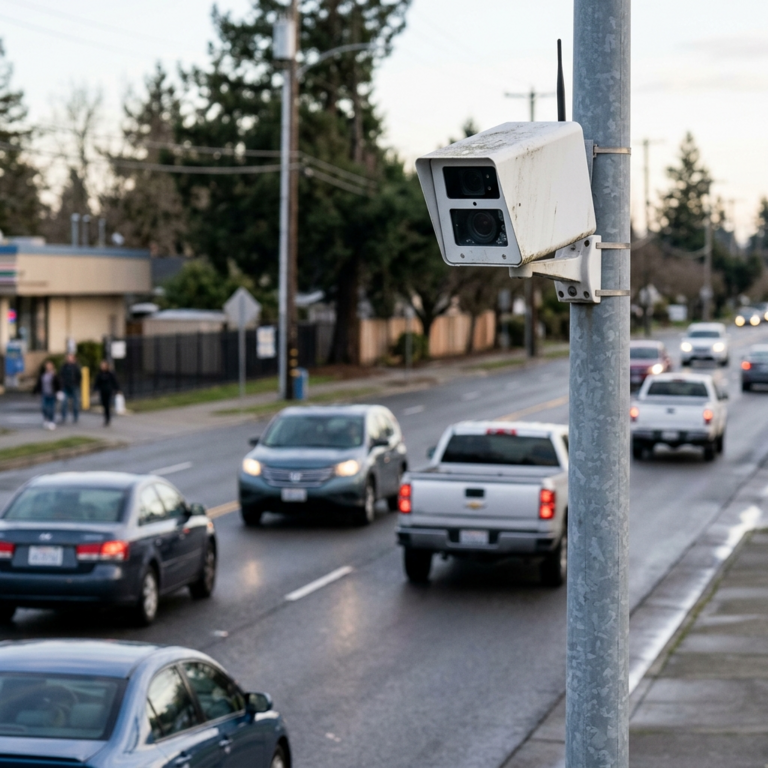
In a recent data breach, a Flock camera system exposed 1.6 million images of 50,000 vehicles, revealing the extent of vehicle tracking capabilities and raising concerns about consumer privacy. The breach highlights the growing use of surveillance technology in public spaces and the potential risks associated with the collection and storage of sensitive data. Flock, a company that provides AI-powered traffic cameras to monitor traffic and enhance public safety, has come under scrutiny for its data practices.
The leaked data sheds light on how Flock’s cameras track the movements of vehicles and people, potentially compromising individual privacy. The company has previously claimed that its cameras do not track people, but the exposed images paint a different picture. This breach is a stark reminder of the challenges posed by the proliferation of surveillance technology and the need for robust data protection measures to safeguard consumer information.
Flock’s pitch to turn rideshare vehicles into mobile surveillance units underscores the potential scope of data collection by these cameras. With plans to tap into thousands of rideshare vehicles for data, the company’s surveillance capabilities have raised concerns about the implications for privacy and data security. The leaked documents reveal the scale at which Flock intended to gather information, highlighting the far-reaching impact of its surveillance network.
The implications of this data breach are significant for both consumers and businesses. For consumers, it raises questions about the extent of surveillance in public spaces and the risks associated with the collection of personal data. As more surveillance technology is deployed in cities and towns, the need for transparency and accountability in data handling becomes paramount. Businesses utilizing surveillance systems must also prioritize data security to prevent unauthorized access and breaches.
The breach of Flock’s camera system underscores the importance of data protection regulations and privacy laws. As surveillance technology continues to advance, policymakers and regulators must ensure that adequate safeguards are in place to protect consumer privacy rights. The incident serves as a wake-up call for companies that collect and store sensitive data, emphasizing the need for robust cybersecurity measures and proactive data management practices.
In conclusion, the Flock camera data breach highlights the challenges and risks associated with the increasing use of surveillance technology. As companies like Flock expand their surveillance networks, the need for stringent data protection measures becomes more critical. Consumers, businesses, and policymakers must work together to address the privacy implications of surveillance technology and ensure that data is handled responsibly and ethically.



Digital storefronts often publish seasonal promotional artwork to showcase featured products. An automated product poster maker for web stores supports quick generation of styled display graphics for campaigns.