










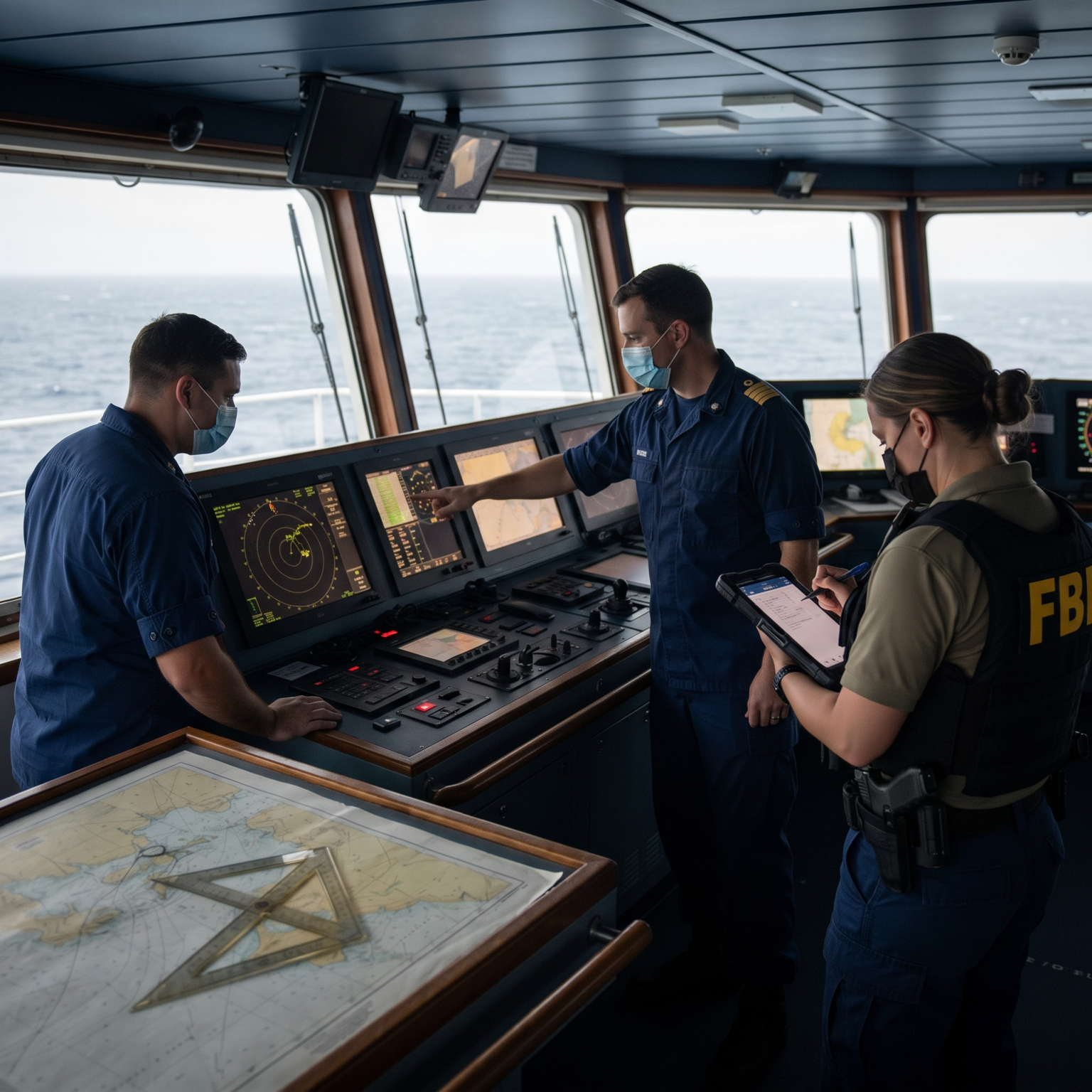
The recent hacking of oil tankers en route to the US has sparked a joint investigation by the FBI and Coast Guard, as concerns grow over cybersecurity threats in the maritime industry. One of the vessels experienced interference in its navigation and propulsion systems, raising alarms about the vulnerability of critical infrastructure to malicious actors. This incident underscores the evolving nature of cyber threats and the potential financial risks for businesses involved in oil transportation.
The maritime industry has increasingly become a target for cyber attacks due to its reliance on interconnected systems and technologies. As ships become more digitally integrated, they also become more susceptible to hacking attempts that can disrupt operations and pose safety risks. The hacking of oil tankers not only jeopardizes the smooth transportation of vital resources but also highlights the need for robust cybersecurity measures to safeguard against potential cyber threats.
The collaboration between the FBI and Coast Guard signifies the seriousness of the situation and the concerted effort to address cybersecurity vulnerabilities in the maritime sector. By investigating the hacking incident, authorities aim to identify the perpetrators and prevent future attacks on oil tankers and other critical maritime infrastructure. This proactive approach is crucial in mitigating the risks associated with cyber threats and enhancing the resilience of the industry.
For businesses involved in the oil transportation sector, the hacking of oil tankers serves as a wake-up call to prioritize cybersecurity measures and invest in technologies that can defend against potential cyber intrusions. The financial implications of a successful cyber attack on oil tankers could be significant, leading to disruptions in supply chains, financial losses, and reputational damage. By strengthening cybersecurity defenses, companies can better protect their assets and ensure the uninterrupted flow of oil shipments.
The growing sophistication of cyber threats poses a challenge for the maritime industry, as hackers continue to exploit vulnerabilities in digital systems to gain unauthorized access and control. As technology evolves, the need for enhanced cybersecurity measures becomes increasingly critical to safeguard against potential cyber attacks and secure the integrity of maritime operations. By staying ahead of emerging threats and implementing robust cybersecurity protocols, the industry can better defend against cyber risks and ensure the safety and security of maritime assets.
In a world where digital connectivity is ubiquitous, the hacking of oil tankers serves as a stark reminder of the cybersecurity risks facing critical infrastructure and the need for proactive defense mechanisms. As businesses and organizations in the maritime industry navigate the complex landscape of cyber threats, it is essential to adopt a holistic approach to cybersecurity that encompasses prevention, detection, and response capabilities. By working together to address cybersecurity challenges, the industry can strengthen its resilience and protect against potential cyber incidents that could jeopardize the safety and security of maritime operations.



A well-designed reading app for adhd provides clear formatting that keeps your mind from wandering.