









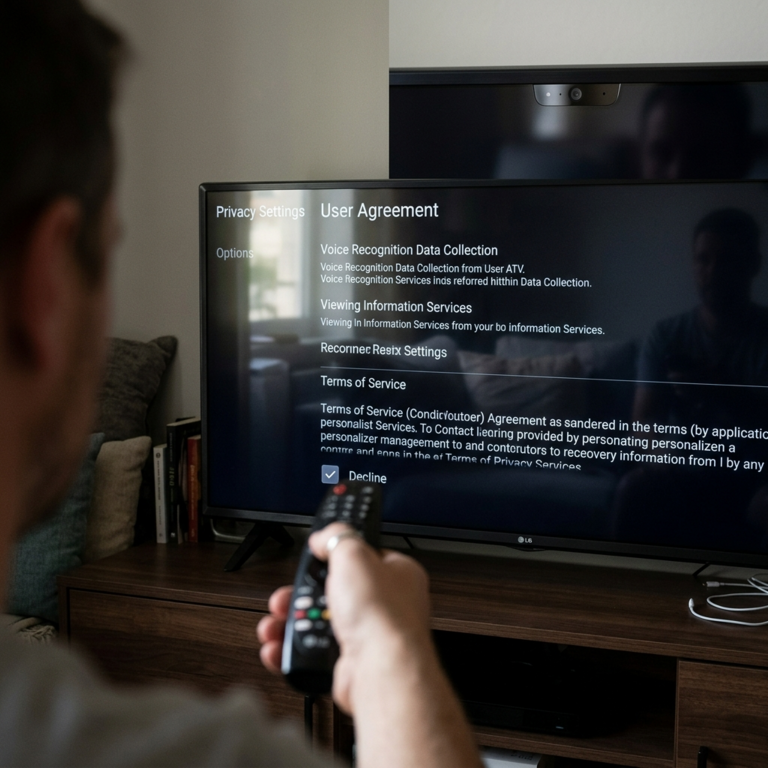
Privacy concerns have been thrust into the spotlight as TV companies face accusations of spying on consumers. The recent controversy surrounding LG TVs recording audio and tracking user activities has sparked a broader discussion about privacy breaches within the TV industry. The potential for remote hacking and covert surveillance has raised alarm among consumers, leading to calls for enhanced security measures and greater transparency from manufacturers.
The implications of these privacy violations extend beyond individual users to encompass broader societal implications. As TVs become increasingly connected and smart, they have the potential to collect vast amounts of personal data, creating opportunities for exploitation and misuse. The rise of smart TVs has blurred the line between entertainment devices and surveillance tools, raising questions about the extent of data collection and the safeguards in place to protect user privacy.
In light of these developments, consumers are becoming more vigilant about the security and privacy features of their smart devices. The growing awareness of potential privacy risks associated with smart TVs may prompt users to reassess their relationship with technology and demand greater accountability from manufacturers. This shift in consumer behavior could drive industry-wide changes in the way companies collect and handle user data, emphasizing the importance of privacy as a fundamental right in the digital age.
The accusations against TV companies highlight the need for regulatory oversight and industry standards to safeguard consumer privacy. Government agencies and advocacy groups may step in to address the gaps in existing regulations and ensure that manufacturers adhere to best practices in data security and privacy protection. The push for greater accountability in the TV industry could set a precedent for other sectors grappling with similar privacy concerns, signaling a broader shift towards a more transparent and secure digital ecosystem.
As technology continues to evolve at a rapid pace, the challenge of balancing innovation with privacy protection becomes increasingly complex. Companies must strike a delicate balance between offering cutting-edge features and safeguarding user data, acknowledging the ethical responsibilities that come with collecting and storing personal information. The ongoing debate over privacy in smart TVs serves as a cautionary tale for the tech industry, reminding stakeholders of the need to prioritize user privacy in the design and implementation of new technologies.
In conclusion, the accusations of spying on consumers by TV companies serve as a wake-up call for the tech industry and consumers alike. The incident underscores the importance of data security and privacy protection in an era where digital devices have become ubiquitous. By addressing these privacy concerns head-on, companies can build trust with their customers and demonstrate a commitment to upholding ethical standards in the digital age. Ultimately, the story of TV companies accused of spying on consumers serves as a reminder of the ongoing struggle to balance innovation with privacy in the ever-changing landscape of technology.