









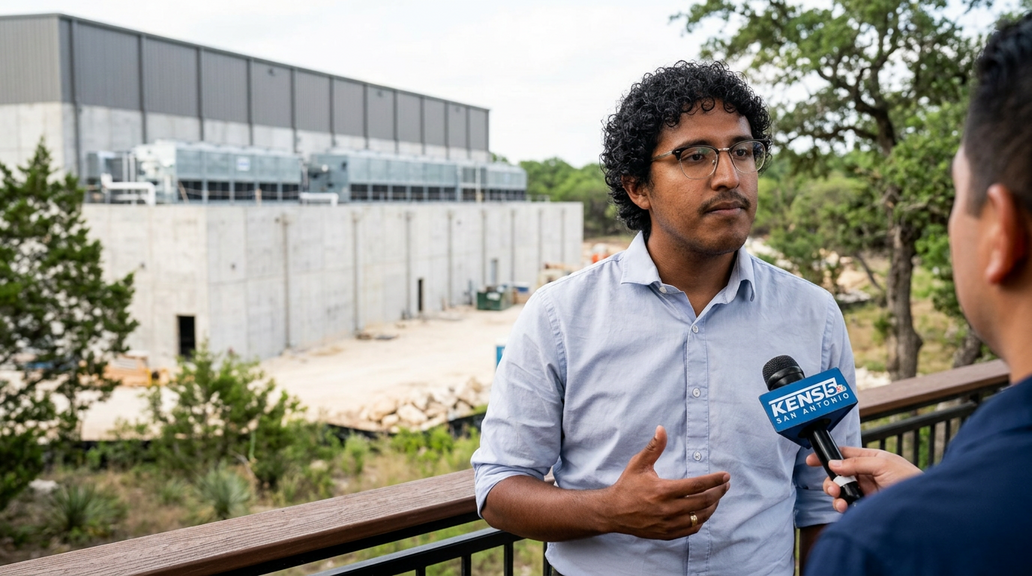
Data centers are the backbone of our digital world, housing the servers that store and process the vast amounts of data we generate every day. However, as these facilities continue to grow in size and importance, the visual impact on communities is becoming a concern. From massive ‘hyperscale’ data centers to camouflaged structures in the woods, the balance between technological advancement and environmental aesthetics is now a key issue for cities like San Antonio. City Councilmember Ric Galvan reflects on the changing landscape and the challenges of accommodating these essential infrastructure elements.
In recent years, the push for more sustainable practices in technology has led to the rise of ‘green data centers.’ These facilities prioritize energy efficiency, renewable power sources, and reduced environmental impact. The evolution of data centers has been driven by a combination of technological innovation and a growing awareness of the need for eco-friendly solutions. Companies are investing in cutting-edge cooling systems, energy-efficient hardware, and smart management software to minimize their carbon footprint.
As data centers expand to meet the demands of cloud computing, artificial intelligence, and other data-intensive applications, the environmental impact of these facilities on energy grids and local ecosystems is a growing concern. Balancing the need for technological advancement with environmental responsibility is a complex challenge that requires collaboration between industry leaders, policymakers, and environmental advocates. Strategies like using waste heat to warm nearby buildings, deploying solar panels on rooftops, and implementing water-saving cooling systems are being explored to mitigate the environmental impact of data centers.
The visual presence of data centers in urban and rural landscapes is also a significant consideration. While some facilities are designed to blend into their surroundings or even be hidden underground, others stand out as imposing structures that disrupt the natural environment. Finding the right balance between the need for data infrastructure and the preservation of scenic beauty is a delicate task that requires careful planning and community engagement. City councils and developers must work together to ensure that data centers coexist harmoniously with their surroundings.
In San Antonio, a city known for its vibrant culture and natural beauty, the debate over the visual impact of data centers has sparked discussions about the future of urban development. City Councilmember Ric Galvan emphasizes the importance of finding creative solutions that address both the technological needs of the city and the aesthetic concerns of its residents. By engaging with stakeholders from all sectors, San Antonio is striving to create a sustainable and visually appealing environment that supports the growth of data infrastructure.
The evolution of data centers to become more environmentally friendly and visually integrated into their surroundings represents a broader trend in the tech industry towards sustainability and responsible growth. As consumers become more conscious of the environmental impact of their digital activities, companies are under increasing pressure to adopt green practices and transparent policies. By prioritizing energy efficiency, reducing waste, and investing in renewable energy sources, data center operators can not only minimize their environmental footprint but also enhance their reputation and attract eco-conscious customers.
In conclusion, the evolving landscape of data centers highlights the need for a delicate balance between technological innovation and environmental impact. As these facilities continue to play a crucial role in our digital infrastructure, it is essential for industry players, policymakers, and communities to work together to ensure that data centers are sustainable, efficient, and visually appealing. By embracing green practices, adopting eco-friendly technologies, and engaging with local stakeholders, the tech industry can pave the way for a more sustainable future.