
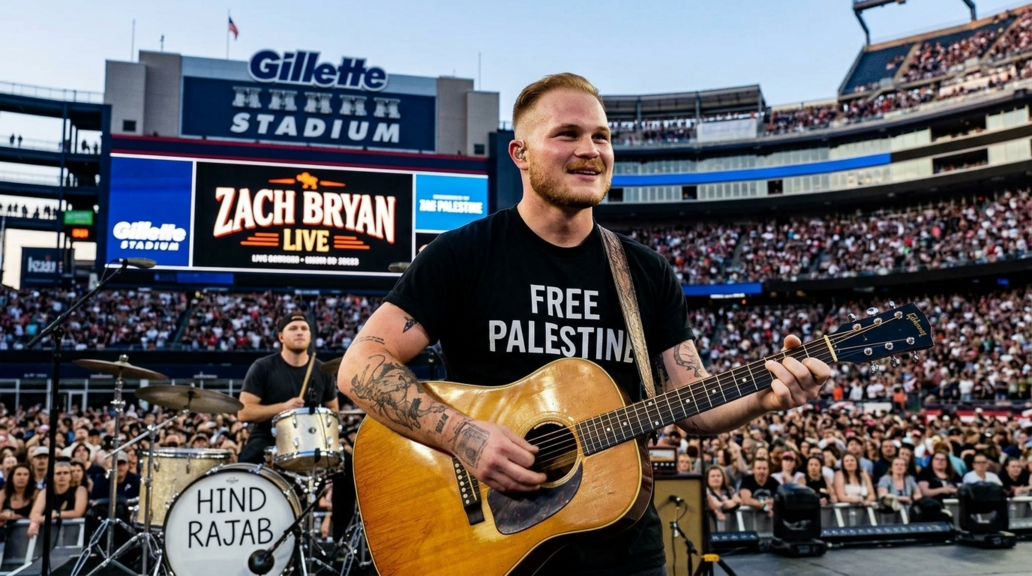
In a bold move that has sparked controversy and conversations, rising country music star Zach Bryan made a powerful statement during his headline performance at Robert Kraft’s Gillette Stadium. Bryan took to the stage sporting a ‘Free Palestine’ shirt, a gesture that immediately caught the attention of fans and industry insiders alike. The singer’s drummer also joined in on the message by paying tribute to a slain Palestinian girl, further amplifying the impact of their statement. This defiant act comes on the heels of a recent incident involving rapper Macklemore, who was reportedly barred from expressing similar sentiments at the same venue.
The decision to wear the ‘Free Palestine’ shirt at such a high-profile event like a performance at Gillette Stadium, owned by billionaire Robert Kraft, sends a clear message about Bryan’s values and beliefs. In an industry where artists often face pressure to remain politically neutral, this move by Bryan highlights the importance of using one’s platform to bring attention to social justice issues. By taking a stand on a contentious global matter, Bryan is not only expressing his personal views but also sparking a dialogue within the entertainment community and among his fan base.
The significance of Bryan’s action extends beyond just the music world. It underscores the power of art and performance as vehicles for social change and advocacy. In a time when artists are increasingly using their platforms to address pressing social and political issues, Bryan’s decision to wear the ‘Free Palestine’ shirt serves as a reminder of the impact that celebrities can have on public discourse and awareness. By aligning himself with a cause that is often fraught with controversy, Bryan is showcasing his willingness to use his influence for more than just entertainment.
The response to Bryan’s statement has been mixed, with some praising his courage and others criticizing the move as inappropriate for a music event. The clash between artistic expression and political messaging is not a new one, but it continues to be a point of debate within the entertainment industry. As fans and observers weigh in on the implications of Bryan’s choice, the conversation around the intersection of art, activism, and entertainment is reignited, prompting discussions about the responsibilities of public figures in shaping public opinion.
In a landscape where celebrities are often scrutinized for their every move, Bryan’s decision to wear the ‘Free Palestine’ shirt demonstrates a willingness to take risks and stand by his convictions. By using his platform to draw attention to a contentious issue like the Israeli-Palestinian conflict, Bryan is positioning himself as an artist unafraid to tackle difficult subjects and challenge the status quo. Whether this move will have a lasting impact on his career remains to be seen, but it undeniably marks a moment of boldness and authenticity in a world where conformity often reigns.
As fans and critics continue to dissect the implications of Zach Bryan’s ‘Free Palestine’ shirt at Robert Kraft’s Gillette Stadium, one thing is clear: the intersection of music, politics, and activism is a complex and evolving space. Whether Bryan’s statement will catalyze further discussions or spark change within the industry remains to be seen, but it serves as a reminder of the power of art to provoke thought, inspire action, and challenge the status quo.
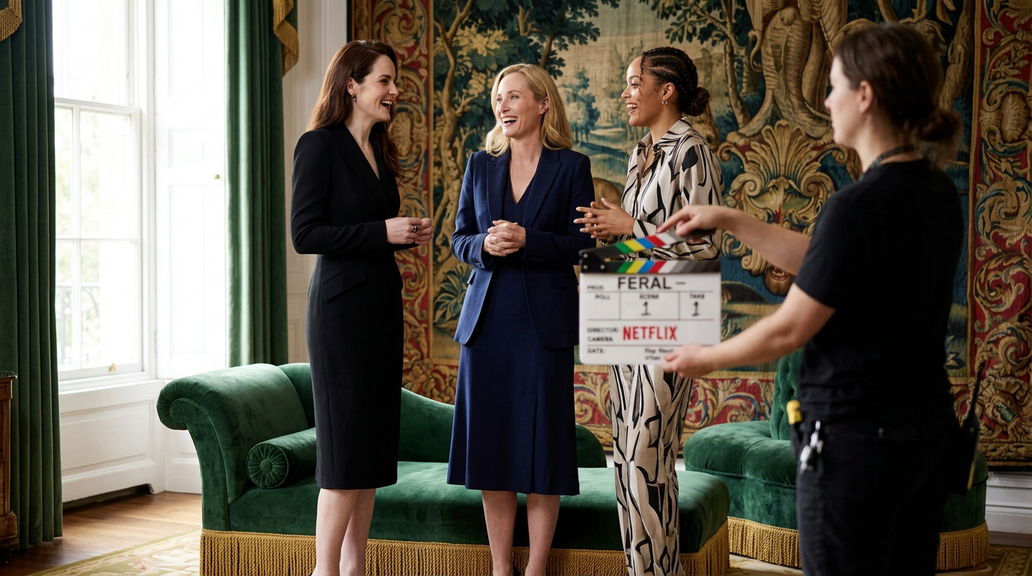
In Kling 5, matching prompt pacing to actual video duration keeps character movement from looking rushed or unnatural. The workflow explained in How to Generate Kling 5 Video: Step-by-Step Guide is helpful for structuring multi-element scenes cleanly.