









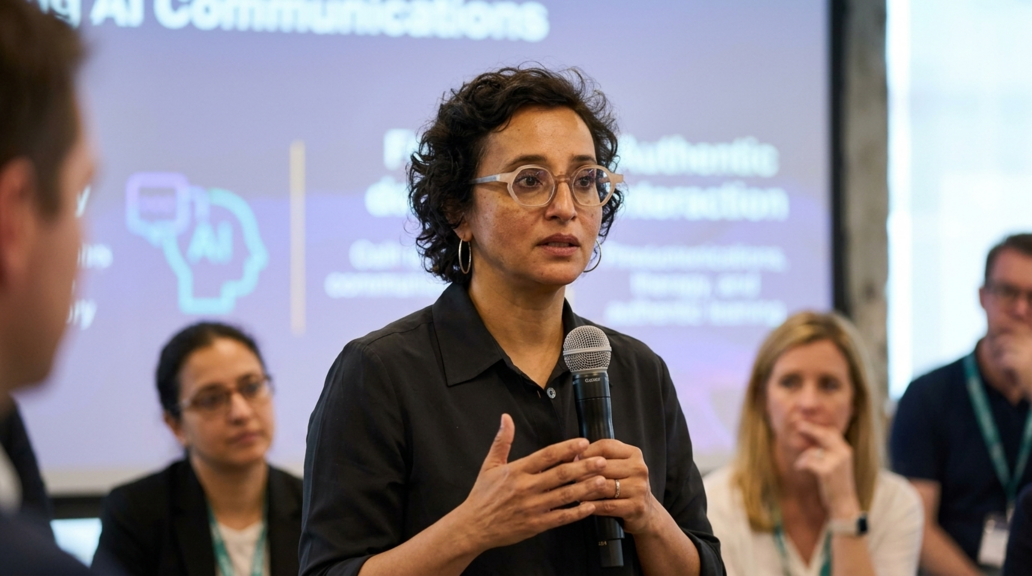
Splice CEO Kakul Srivastava has sounded the alarm on the potential consequences of AI-generated emails for human interactions. Srivastava, known for her work on the popular music sample platform, has raised concerns about the impact of automated communication on meaningful conversations. As technology continues to advance, the lines between human and machine-generated content are becoming increasingly blurred, leading to questions about the authenticity and depth of our interactions.
In a recent interview, Srivastava highlighted the dangers of relying too heavily on AI to handle our communications. While AI can streamline processes and save time, there is a risk of losing the personal touch and emotional connection that comes with genuine human conversation. As more companies turn to automated systems for email responses and customer interactions, there is a growing concern that meaningful dialogue and understanding could be sacrificed in the pursuit of efficiency.
The rise of AI-generated content is not limited to emails but extends to various aspects of our daily lives. From chatbots and virtual assistants to automated content creation, AI is increasingly shaping the way we communicate and interact with technology. While these advancements offer convenience and speed, they also raise important questions about the impact on our social interactions and emotional well-being.
As the CEO of a company that has revolutionized the music industry with its innovative platform, Srivastava’s insights carry significant weight. Her warning serves as a reminder of the importance of maintaining human connections in a world that is increasingly driven by technology. By recognizing the limitations of AI and the value of authentic human communication, we can strive to strike a balance between efficiency and empathy in our interactions.
The implications of AI-generated emails go beyond individual interactions to have broader societal and economic impacts. As businesses rely more on automated systems to handle customer inquiries and communication, there is a risk of dehumanizing the customer experience. In a world where personalization and empathy are increasingly valued, companies must tread carefully to ensure that AI complements rather than replaces human touchpoints.
For consumers, the proliferation of AI-generated emails raises concerns about privacy and data security. As machines become more adept at mimicking human behavior, there is a risk of sensitive information being mishandled or misinterpreted. By understanding the limitations of AI and being vigilant about data protection, individuals can navigate the digital landscape with greater confidence and security.
In conclusion, Srivastava’s warning about the impact of AI-generated emails serves as a timely reminder of the importance of human connection in a technology-driven world. As AI continues to reshape the way we communicate and interact, it is essential to consider the implications for our social relationships and emotional well-being. By embracing technology while also valuing authentic human connections, we can navigate the digital age with empathy and understanding.