









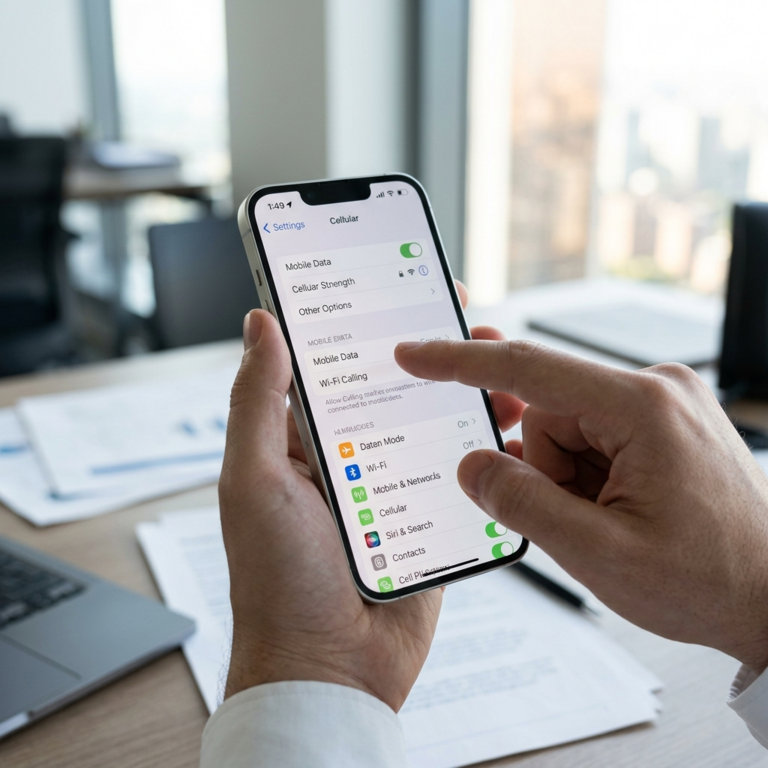
In the fast-paced world of modern communication, the quality of phone calls remains a fundamental aspect of our daily interactions. For iPhone users, experiencing poor call quality can be a frustrating and disruptive issue that hampers productivity and connectivity. Whether it’s dropped calls, static interference, or muffled voices, these issues can significantly impact the overall user experience. Thankfully, there are practical tips and solutions available to help improve communication reliability on your iPhone. By addressing common call quality issues, users can enhance the clarity and stability of their phone conversations, ensuring seamless communication with friends, family, and colleagues.
One of the primary factors that can affect call quality on an iPhone is network coverage. In situations where there is limited or poor cellular reception, calls may suffer from drops, distortion, or delays. To mitigate this issue, users can leverage Wi-Fi calling, a feature that allows calls to be made over a wireless internet connection instead of relying solely on cellular networks. By enabling Wi-Fi calling on their devices, users can enjoy improved call quality, especially in areas with weak cellular signals, ensuring a more reliable and consistent communication experience.
Another common cause of poor call quality on iPhones is related to network congestion and bandwidth limitations. When multiple users are simultaneously accessing the network, it can lead to reduced call quality due to increased latency and packet loss. To address this issue, users can prioritize voice calls over data usage by disabling certain background applications and services that may be consuming network resources. By optimizing network bandwidth for voice communication, users can experience clearer and more stable phone calls, even during peak usage times.
Additionally, audio codec settings play a crucial role in determining call quality on iPhones. Different codecs are used to encode and decode audio signals during phone calls, and selecting the appropriate codec can significantly impact the clarity and fidelity of the audio. Users can adjust their audio codec settings in the iPhone’s preferences to prioritize call quality over other factors, such as data efficiency. By choosing the right codec for their communication needs, users can ensure that their phone calls sound crisp and clear, enhancing the overall conversation experience.
Furthermore, call diagnostics tools can help users identify and address call quality issues proactively. By monitoring network performance, signal strength, and audio quality during phone calls, users can pinpoint the root cause of any disruptions or distortions in their conversations. Leveraging call diagnostics features on their iPhones, users can troubleshoot and resolve call quality issues more effectively, ensuring a seamless and reliable communication experience.
In conclusion, addressing iPhone call quality issues is essential for enhancing communication reliability and productivity in today’s digital age. By implementing practical tips and solutions, users can improve the clarity, stability, and consistency of their phone calls, ensuring seamless interactions with others. Whether it’s optimizing network settings, enabling Wi-Fi calling, adjusting audio codec preferences, or utilizing call diagnostics tools, there are various strategies available to enhance call quality on iPhones. By taking proactive steps to address call quality issues, users can enjoy a superior communication experience on their devices, fostering better connections with others in both personal and professional settings.