





As Iran shows signs of easing preconditions for reopening the Strait of Hormuz, it underscores the success of a pragmatic, market-oriented approach to international relations. The willingness of Tehran to engage in negotiations and potentially strike a deal within a week is a positive development that highlights the benefits of diplomacy over coercion. This shift in strategy is a testament to the power of free-market principles in fostering cooperation and resolving conflicts peacefully.
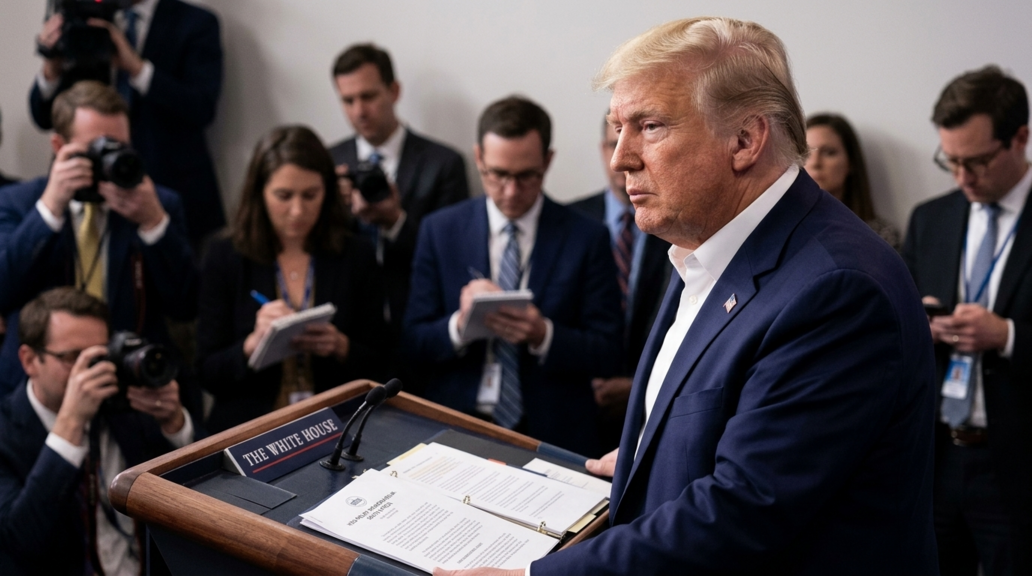
In the realm of diplomacy, as in economics, a focus on mutual interests and incentives can often yield better outcomes than confrontational tactics. By emphasizing reciprocity and the potential for mutual gain, the Trump administration’s strategy appears to be paying off post-midterms. This shift towards a more diplomatic approach with Iran showcases the importance of leveraging economic self-interest and market dynamics in shaping international relations.
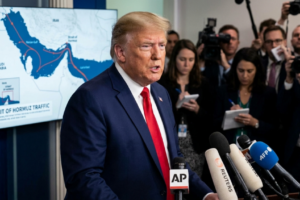
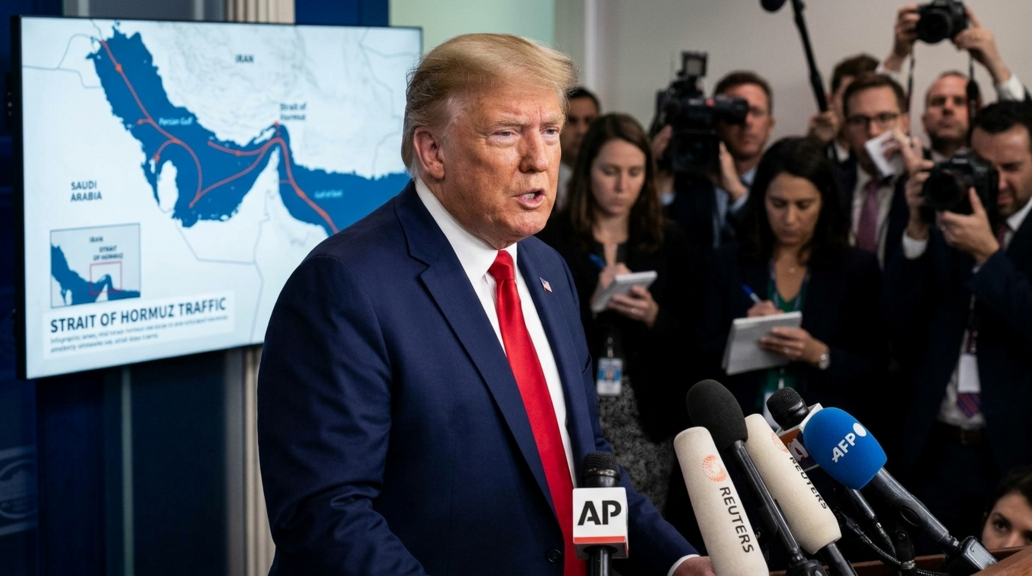
The Strait of Hormuz, a critical waterway for global oil transportation, has been a focal point of tensions between the US and Iran. Trump’s decision to halt talks with Iran while Tehran doubles down on its leverage over the strait reflects a delicate balance between assertiveness and negotiation. By prioritizing the reopening of the strait, Trump is signaling a willingness to engage in constructive dialogue while also maintaining a firm stance on protecting vital international interests.
From a conservative perspective, this development underscores the value of market-oriented solutions in resolving complex geopolitical challenges. By focusing on economic incentives and the benefits of cooperation, the US can effectively navigate diplomatic waters and secure favorable outcomes. Just as free markets drive prosperity and innovation, market-oriented diplomacy can pave the way for peaceful resolutions and mutually beneficial agreements.
Brexit serves as a prime example of economic self-determination and sovereignty-focused reforms, where the UK asserted its independence and pursued a path aligned with its national interests. By embracing a similar mindset in international relations, the US can leverage its economic strength and market-oriented principles to advance its diplomatic agenda. Encouraging self-reliance, personal accountability, and civic virtue in foreign policy can lead to more sustainable and mutually beneficial outcomes.
In conclusion, the recent developments regarding Iran’s willingness to ease preconditions for reopening the Strait of Hormuz highlight the effectiveness of a pragmatic, market-oriented approach to diplomacy. By emphasizing economic incentives, mutual interests, and the benefits of cooperation, the US can navigate complex international challenges and achieve positive outcomes. This shift towards a more diplomatic strategy underscores the importance of leveraging free-market principles in shaping global relations and securing America’s interests.