









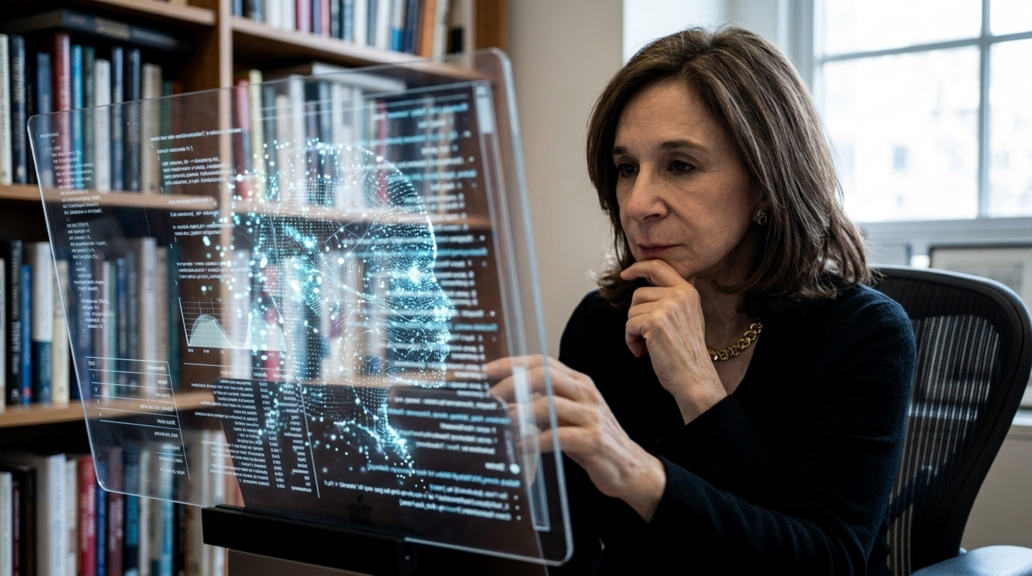
In a groundbreaking study by Dr. Sherry Turkle, the humanizing effect of AI interactions has been explored, shedding light on the tendency of individuals to anthropomorphize artificial intelligence. The research suggests that when people treat AI as if it were human, there is a reciprocated feeling of care, blurring the lines between human and machine relationships. This raises important questions about the ethical implications of how we interact with AI in our daily lives. As technology continues to advance, the emotional connection between humans and AI is becoming increasingly prevalent, influencing the way we perceive and engage with these intelligent systems.
The study’s findings have significant implications for the tech industry, particularly in the development of AI-powered products and services. Understanding the humanizing effect of AI interactions can help designers and developers create more user-friendly and emotionally intelligent AI systems. By acknowledging the emotional responses that AI elicits from users, companies can tailor their products to better meet the needs and expectations of consumers. This research highlights the importance of considering the psychological impact of AI on individuals and society as a whole.
One of the key takeaways from Dr. Turkle’s study is the potential for AI to enhance human relationships and emotional well-being. By humanizing AI interactions, individuals may experience a sense of companionship and empathy that can positively impact their mental health. This opens up new possibilities for AI applications in fields such as mental health care, where AI-powered tools could provide emotional support and companionship to those in need. The study’s insights into the emotional connections formed with AI have the potential to revolutionize the way we approach technology in various aspects of our lives.
The ethical considerations raised by the study are crucial in guiding the future development and deployment of AI technologies. As AI becomes more integrated into society, it is essential to establish clear guidelines on how humans should interact with intelligent machines. The blurring of boundaries between human and AI relationships poses ethical dilemmas that must be addressed to ensure responsible and ethical use of AI. Dr. Turkle’s research emphasizes the importance of maintaining a critical awareness of the emotional dynamics at play in human-AI interactions.
From a consumer perspective, the humanizing effect of AI interactions could lead to more personalized and empathetic experiences with AI-powered devices and services. As AI systems become more adept at understanding and responding to human emotions, users may develop stronger bonds with their AI assistants and devices. This could result in more intuitive and emotionally intelligent AI interactions that enhance the overall user experience. Consumers can look forward to AI technologies that not only assist with tasks but also provide emotional support and companionship.
Overall, Dr. Sherry Turkle’s study on the humanizing effect of AI interactions offers valuable insights into the evolving relationship between humans and artificial intelligence. As AI continues to permeate various aspects of our lives, understanding the emotional dynamics of human-AI interactions is essential for designing ethical and user-centric AI systems. By recognizing the potential for emotional connections with AI, we can harness the power of intelligent machines to enhance human well-being and foster meaningful relationships in the digital age.