





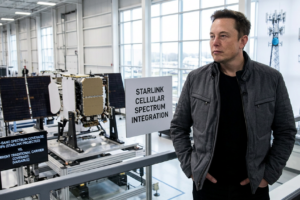



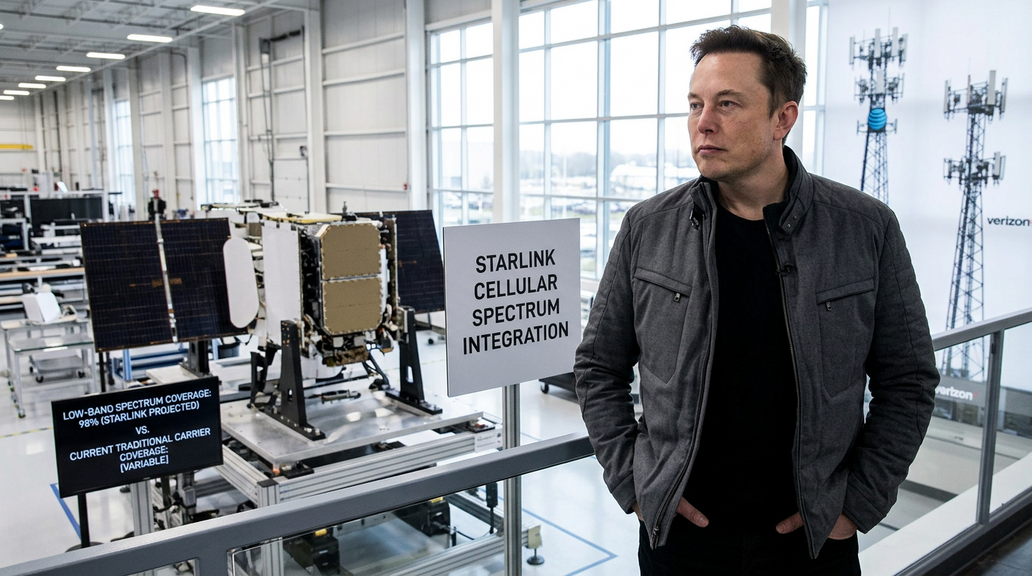
SpaceX, the pioneering aerospace company led by Elon Musk, has made a strategic move that could potentially disrupt traditional wireless carriers such as AT&T and Verizon. The recent acquisition of low-band spectrum to expand its Starlink network signifies a significant shift in the wireless carrier landscape. With this development, consumers can expect improved coverage and possibly lower costs as SpaceX challenges established players in the industry.
Traditional carriers like AT&T and Verizon have long dominated the wireless market, offering mobile services to millions of customers. However, SpaceX’s Starlink project, known for its satellite internet service, is now poised to enter the mobile carrier space. By acquiring additional airwaves, SpaceX aims to provide universal mobile coverage, potentially posing a threat to the market share of incumbent carriers.
The expansion of Starlink’s network could have far-reaching implications for both consumers and the broader telecom industry. Improved coverage in underserved areas, especially rural regions with limited connectivity, could be a game-changer for users seeking reliable mobile services. Additionally, increased competition from SpaceX may lead to price wars among carriers, ultimately benefiting consumers with lower tariffs and better service options.
Investors and industry experts have been closely monitoring SpaceX’s foray into the mobile carrier sector, anticipating a potential disruption in the market. With Elon Musk’s track record of innovation and success in various ventures, including Tesla and SpaceX, the tech world is abuzz with speculation about the impact of Starlink’s expansion. Some analysts predict that SpaceX could challenge the dominance of traditional telecom giants in the near future.
As SpaceX continues to build out its Starlink network and leverage its satellite technology for mobile services, the company is positioning itself as a formidable player in the telecom industry. With a focus on providing global connectivity through its satellite constellation, Starlink aims to offer seamless mobile coverage to users worldwide. This ambitious vision could revolutionize the way people access and experience mobile services, particularly in remote or underserved areas.
The potential disruption caused by SpaceX’s entry into the mobile carrier market underscores the evolving nature of the tech industry. As innovative companies like SpaceX push boundaries and challenge established norms, consumers stand to benefit from increased competition and technological advancements. The traditional carriers, AT&T and Verizon, now face a new contender in the form of Starlink, which could reshape the competitive landscape of the wireless market.
In conclusion, SpaceX’s strategic move to expand its Starlink network and enter the mobile carrier sector has the potential to disrupt traditional players like AT&T and Verizon. With improved coverage, lower costs, and increased competition on the horizon, consumers are likely to see significant benefits from this development. As SpaceX continues to innovate and push boundaries in the telecom industry, the future of mobile services could be shaped by the disruptive force of Starlink.