









As Typhoon Fung-wong wreaks havoc in the Philippines, the resilience and preparedness of nearly a million evacuees stand as a testament to the power of individual initiative and community spirit in times of crisis. This natural disaster serves as a poignant reminder of the enduring value of self-reliance and local cooperation, principles that lie at the heart of conservative philosophy. In the face of adversity, it is crucial for individuals to take personal responsibility for their safety and well-being, while communities band together to offer support and protection.
The conservative belief in personal accountability and self-reliance resonates strongly in the context of natural disasters, where government aid may be limited or delayed. By encouraging citizens to be proactive in preparing for emergencies, whether through stockpiling supplies or developing evacuation plans, conservatives empower individuals to take control of their own destinies. This ethos of self-sufficiency not only fosters a sense of personal pride and accomplishment but also strengthens the fabric of society by fostering mutual trust and cooperation.
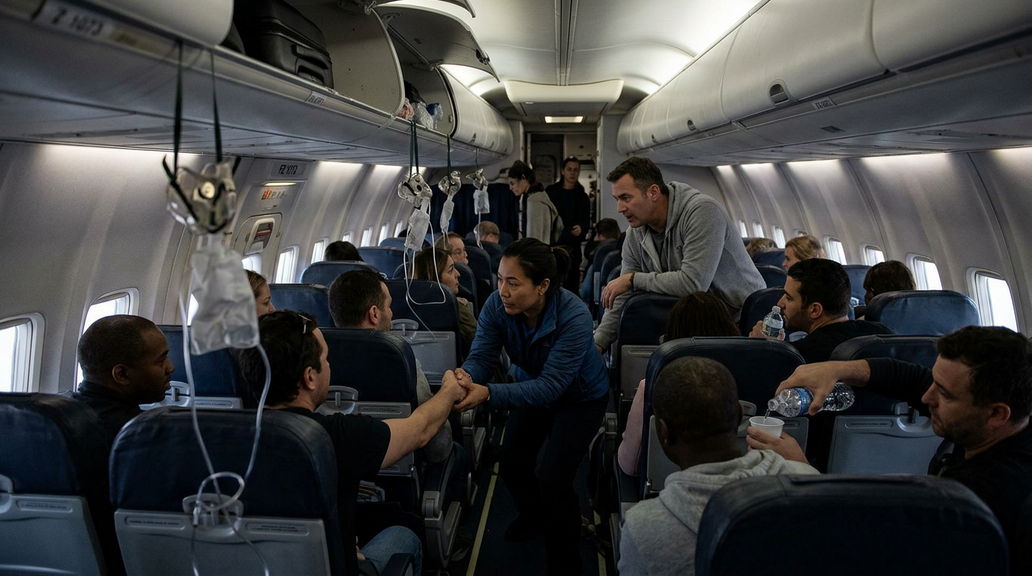
Moreover, the emphasis on traditional values such as family, community, and responsibility underscores the importance of maintaining strong social bonds in times of crisis. Families coming together to weather the storm, neighbors helping one another rebuild their homes, and communities rallying around those in need exemplify the spirit of solidarity that lies at the core of conservative values. These organic forms of support and assistance, rooted in shared values and mutual respect, are often more effective and sustainable than top-down government interventions.
In the realm of public policy, the conservative approach to disaster management prioritizes efficient and targeted responses that minimize bureaucratic red tape and maximize individual agency. By reducing barriers to private sector involvement in relief efforts and empowering local communities to take the lead in their own recovery, conservatives seek to harness the power of free markets and voluntary associations to address the needs of those affected by natural disasters. This bottom-up approach not only leverages the ingenuity and resourcefulness of entrepreneurs and philanthropists but also ensures that aid reaches those most in need in a timely and effective manner.
As the Philippines grapples with the aftermath of Typhoon Fung-wong, the conservative principles of self-reliance, community solidarity, and limited government intervention offer valuable lessons for building a more resilient and prosperous society. By fostering a culture of personal responsibility, mutual support, and entrepreneurial freedom, conservatives can help communities withstand the storms of both nature and politics. In times of crisis, it is the strength of individuals and communities, guided by timeless values and empowered by economic self-determination, that will ultimately prevail.