









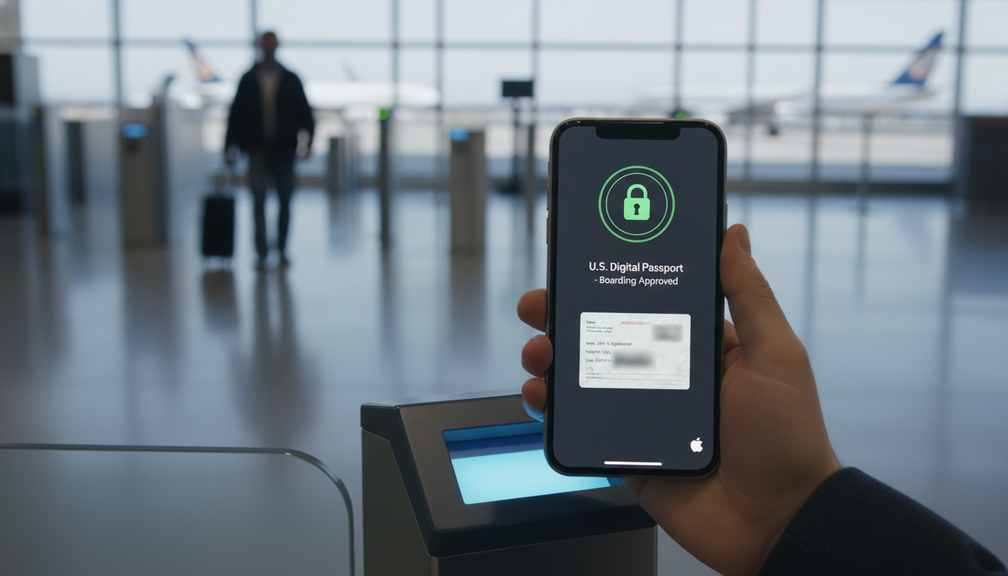
In a move that signals a significant shift towards digital identification for travelers, Apple has announced the introduction of a new Digital ID feature that allows users to store their US passports in the Wallet app. This development, part of iOS 26, is poised to streamline the boarding process at TSA checkpoints in over 250 US airports, eliminating the need for passengers to carry physical passports for domestic flights. While the feature is not yet universally accepted, it represents a major step towards a future where digital identification plays a crucial role in creating seamless travel experiences.
The integration of US passports into the Wallet app marks a notable advancement in the convergence of technology and travel. By digitizing an essential travel document like a passport, Apple is not only making the boarding process more convenient for users but also laying the groundwork for a future where travelers can rely on their smartphones for all aspects of their journey. This move aligns with the broader trend of digitizing travel-related documents, such as boarding passes and itineraries, to create a more streamlined and efficient travel experience.
While the Digital ID feature is currently limited to US passports and domestic flights, its implications extend far beyond these initial parameters. As digital identification becomes more prevalent and accepted, travelers may eventually be able to use their smartphones for international travel, hotel check-ins, and other aspects of the travel experience. This shift has the potential to revolutionize the way people navigate the world, offering a more seamless and secure alternative to traditional paper-based documents.
The introduction of the Digital ID feature underscores Apple’s commitment to innovation and user experience. By leveraging the capabilities of the Wallet app and iOS platform, the tech giant is empowering users to digitize essential documents and streamline everyday tasks. This move not only enhances the convenience of travel but also sets a precedent for how technology can enhance various aspects of modern life, from identity verification to digital payments.
As digital identification continues to gain traction, businesses in the travel industry are likely to adapt their processes to accommodate this shift. Airlines, airports, and other travel-related entities may invest in infrastructure and technology to support digital IDs, creating a more seamless and efficient travel ecosystem. This evolution could lead to improved security, reduced wait times, and enhanced overall travel experiences for passengers around the world.
For consumers, the introduction of the Digital ID feature opens up new possibilities for how they interact with technology in the travel space. Being able to store important documents like passports in a secure digital format not only simplifies the boarding process but also reduces the risk of losing or misplacing physical documents. This added convenience aligns with the growing demand for frictionless and user-friendly experiences in the digital age, catering to modern travelers’ preferences and expectations.
In conclusion, Apple’s new Digital ID feature represents a significant milestone in the ongoing digital transformation of the travel industry. By allowing users to store US passports in the Wallet app, the tech giant is paving the way for a future where digital identification plays a central role in creating seamless and efficient travel experiences. As digital IDs become more widespread, travelers can expect a more streamlined and secure journey, with potential implications for businesses, security protocols, and user interactions in the travel ecosystem.


вывод из запоя дешево вывод из запоя дешево .
вывод из запоя на дому воронеж капельница вывод из запоя на дому воронеж капельница .
производитель рулонных штор https://rulonnye-elektroshtory.ru
цены на вывод из запоя на дому цены на вывод из запоя на дому
Санкт-Петербург — один из крупнейших рынков труда страны, и предложений о работе с каждым месяцем становится больше. Здесь собраны продавец спб без опыта, с полным описанием условий, графика и зарплаты, так что найти подходящее место можно буквально за один вечер.
calculus removal top rated scale and polish in Bijelo Polje
масло редукторное спб масло редукторное спб
выкуп квартир деньги срочный выкуп квартир
услуги по разработке сайта разработка сайта магазин
аренда автокрана екб аренда автокранов автовышек
Right now https://movum.ch/african-casino-gaming-in-ethiopia-market-trends/