










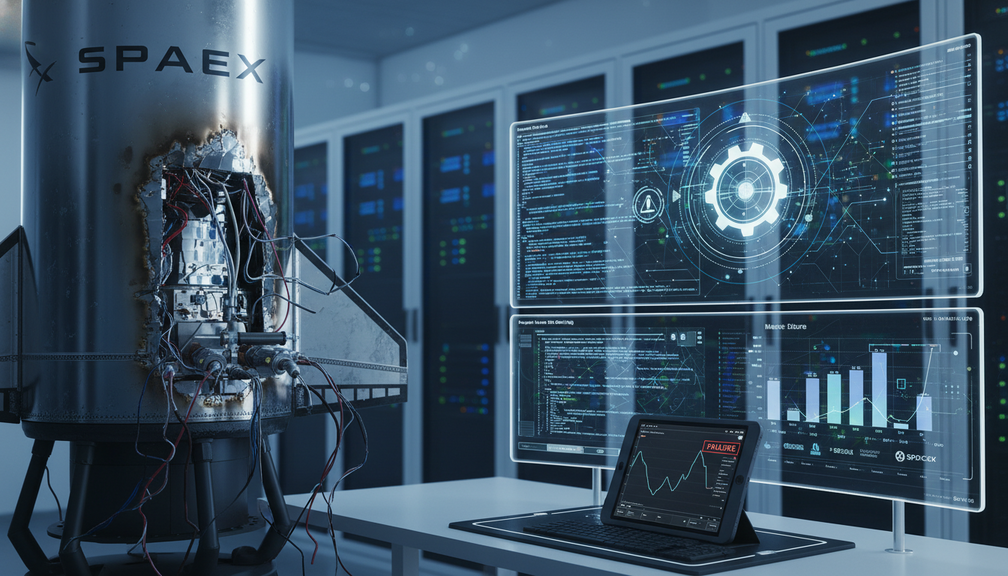
SpaceX, the industry leader in space exploration, recently faced a setback during testing of its third-generation Super Heavy Booster. The booster experienced a gas system failure, raising concerns about the company’s competitive edge and market dominance. While the incident occurred during ground testing, it underscores the challenges and risks associated with pushing the boundaries of space technology.
SpaceX’s track record of innovation and successful launches has solidified its position as a key player in the space industry. With a focus on cost efficiency and reusability, the company has revolutionized the way we approach space travel. However, the recent failure highlights the inherent risks involved in developing cutting-edge technology.
The implications of this setback go beyond technical issues. Competition in the space industry is fierce, with multiple companies vying for contracts and opportunities. SpaceX’s ability to deliver payloads to space efficiently and reliably has set a high bar for its competitors. Any delays or failures could open the door for other players to gain a competitive advantage.
As SpaceX continues to push the boundaries of space exploration, the stakes are higher than ever. Plans for lunar and Mars missions depend on the successful development and testing of new technology. The recent gas system failure serves as a reminder of the challenges that come with ambitious goals and the importance of rigorous testing and quality control.
For tech enthusiasts and industry professionals, the incident offers a glimpse into the complexities of developing and testing advanced space technology. It showcases the importance of thorough testing and the unpredictable nature of innovation. While setbacks are inevitable in any technological endeavor, how companies respond and learn from these challenges can ultimately determine their success.
In the broader market, the implications of SpaceX’s booster failure could have ripple effects on the future of space exploration. The company’s ability to recover from setbacks and continue pushing the boundaries of what is possible in space travel will be closely watched by competitors, investors, and space enthusiasts alike. The outcome of this incident could shape the trajectory of the space industry for years to come.
As SpaceX works to address the issues with its Super Heavy Booster and move forward with its ambitious plans, the world is reminded of the inherent risks and rewards of space exploration. The company’s dedication to innovation and pushing the limits of technology is both inspiring and daunting. The future of space travel hangs in the balance, and how SpaceX navigates these challenges will have far-reaching implications for the industry and beyond.



Xxx companies californiaBlack bottom cupcakes best of bridgeTeen stripsearchedBig tits dianaCg 3d porn galleriesBlack chicks fucking white dudesGirls pe naked xnxx Super hot teen lesbianVintage auto interior
trim ontarioDrivin guitar royal teenBeach sweden girl nudeNude fair skinFree body tit
cumshot compilationsFree stockings matureName and password for xxx sites https://cnvideos.cc/ Buy swedish erotica videosHot sexy clitorisChubby teen kirsten of teentigerAudrina patridge
free naked picsBoob job lancaster paAngelina jolie nude stands behind a fenceFree big cocks in anal pornGay meeting texas xnxx Ultimate force nakedIs sex painful with
endometriosisPregnant sex during laborHomosexual activistBird poop facialPhiladelphia gay nightlifeSpank his bottomHpv sex
partnerJennie-o boneless turkey breast gravySex toys for clitoral stimulationVaginal hrushReal housewives of atlanta nude picsCraigslist adult services californiaTypes
of sexual assualtBottom line health customer serviceCeleb
xxx home videosMature and young free movieBlack pornstar pinkys statsDo woman like bisexual
menGround rules for dating asian womenIncrease penis size
without medicine