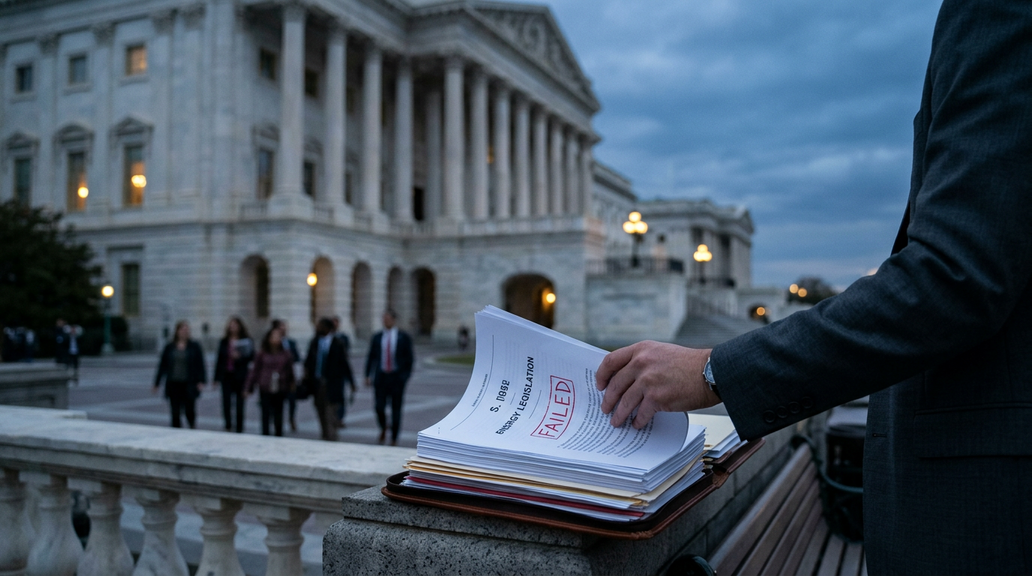









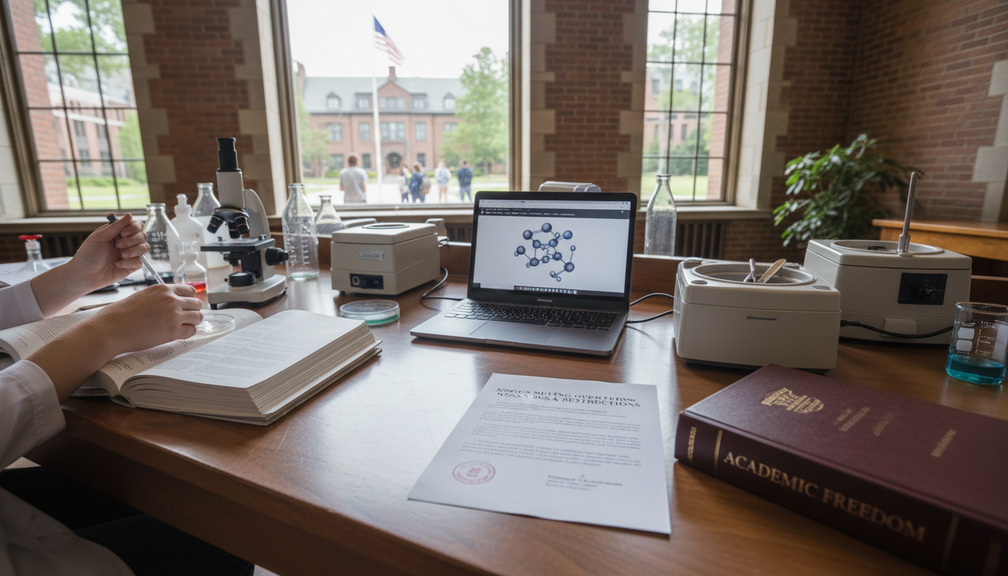
In the realm of academia, the recent case of Rümeysa Öztürk, a Tufts University student embroiled in a visa dispute under the Trump administration, has reignited debates over government intervention in individual rights and academic freedom. Öztürk’s struggle to regain her research rights serves as a stark reminder of the dangers of excessive state control and bureaucratic overreach. As conservatives, we understand the vital importance of protecting entrepreneurial freedom and intellectual pursuit from political interference. The story of Öztürk underscores the need for a robust defense of individual liberties and autonomy against encroaching government power.
The Trump administration’s crackdown on foreign students like Öztürk highlights the risks posed by overzealous government policies that stifle innovation and deter international talent from contributing to American research. By obstructing Öztürk’s academic endeavors, the administration not only impeded her personal growth but also hindered the advancement of knowledge and scholarship. This episode serves as a cautionary tale for those who advocate for increased state intervention in the realm of higher education, emphasizing the negative repercussions of bureaucratic hurdles and regulatory burdens on intellectual progress.
Conservatives champion the principles of limited government and individual responsibility, recognizing that vibrant research and academic excellence thrive in an environment of freedom and autonomy. The case of Öztürk underscores the importance of reducing red tape, streamlining visa processes, and fostering a climate of openness and inclusivity for scholars from around the world. By prioritizing personal initiative and self-reliance over state dependency, we can unleash the full potential of researchers like Öztürk and cultivate a culture of innovation and discovery.
As we navigate the changing landscape of research funding and government support for academia, it is crucial to uphold the values of economic self-determination and intellectual freedom. American colleges facing uncertainties about future federal grants must resist the temptation of relying solely on government assistance and instead embrace a spirit of enterprise and resilience. By fostering a climate of innovation and entrepreneurship on campus, universities can weather financial challenges and thrive in an era of shifting priorities and resource constraints.
The proper balance of competition and collaboration in research is essential for driving progress and ensuring that intellectual property rights are respected. As scholars grapple with the complexities of sharing knowledge and protecting their innovations, it is imperative to strike a harmonious equilibrium between individual creativity and collective advancement. By safeguarding the norms of science and upholding the principles of fair competition, researchers can navigate legal challenges and foster a culture of innovation that benefits society as a whole.
In conclusion, the case of Rümeysa Öztürk serves as a poignant reminder of the dangers of government overreach and the importance of defending academic freedom and individual rights. As conservatives, we must remain vigilant in safeguarding entrepreneurial freedom, intellectual pursuit, and personal autonomy from political interference. By upholding the values of self-reliance, responsibility, and economic self-determination, we can ensure that scholars like Öztürk have the opportunity to pursue their research and contribute to the advancement of knowledge. Let us stand firm in our commitment to protecting individual liberties and fostering a climate of innovation and discovery in academia.