









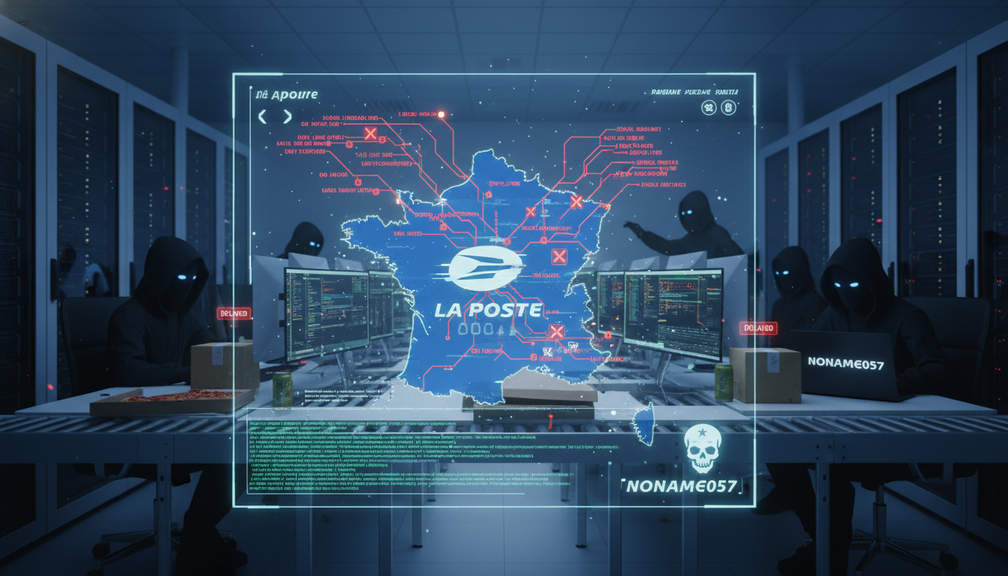
In a recent cyberattack that sent shockwaves through the tech world, a pro-Russian hacker group known as Noname057 targeted the French national postal service, La Poste, with a devastating DDoS attack. The attack, which occurred right before the busy Christmas season, caused major disruptions in package deliveries and highlighted the growing threat of cybercrime to essential services. The hackers claimed responsibility for taking down La Poste’s online systems, rendering package tracking and online payments through La Banque Postale, the company’s banking arm, inaccessible. This brazen attack underscores the need for organizations to bolster their cybersecurity defenses against increasingly sophisticated threats.
DDoS attacks, short for Distributed Denial of Service attacks, involve overwhelming a target system with a flood of internet traffic, making it unavailable to legitimate users. These attacks can disrupt operations, cause financial losses, and tarnish a company’s reputation. In the case of La Poste, the cyber assault not only impacted its ability to deliver packages efficiently but also affected the online banking services it offers. Such disruptions can have far-reaching consequences for both businesses and consumers, highlighting the vulnerability of critical infrastructure to malicious actors.
The incident serves as a stark reminder of the importance of cybersecurity in today’s digital age. As more services move online and rely on interconnected systems, the potential for cyberattacks to disrupt everyday operations increases. Organizations must invest in robust cybersecurity measures, including intrusion detection systems, firewalls, and employee training, to mitigate the risk of falling victim to such attacks. The La Poste cyberattack serves as a cautionary tale for companies across industries to prioritize cybersecurity and stay vigilant against evolving cyber threats.
Noname057’s claim of responsibility for the attack raises concerns about the motives behind such cyber assaults. The pro-Russian hacker group’s actions bring into question the geopolitical implications of cyber warfare and the need for international cooperation in combating cyber threats. As state-sponsored and politically motivated cyberattacks become more prevalent, governments and cybersecurity experts must work together to strengthen defenses and deter malicious actors from targeting critical infrastructure.
For consumers, the La Poste cyberattack serves as a wake-up call to the potential risks of relying on digital services for essential needs. From package deliveries to online banking, disruptions caused by cyberattacks can have real-world consequences for individuals. As reliance on digital technologies grows, so does the need for users to be vigilant about their online security practices and stay informed about potential threats. The incident underscores the importance of cyber hygiene and the role individuals play in safeguarding their personal information.
In conclusion, the recent DDoS attack on the French postal service by the pro-Russian hacker group Noname057 sheds light on the evolving landscape of cyber threats and the vulnerabilities faced by essential services in the digital age. The incident underscores the critical need for organizations to strengthen their cybersecurity defenses, collaborate on a global scale to combat cyber threats, and educate users about online security best practices. As technology continues to advance, the battle against cybercrime remains an ongoing challenge that requires vigilance, innovation, and cooperation from all stakeholders.