










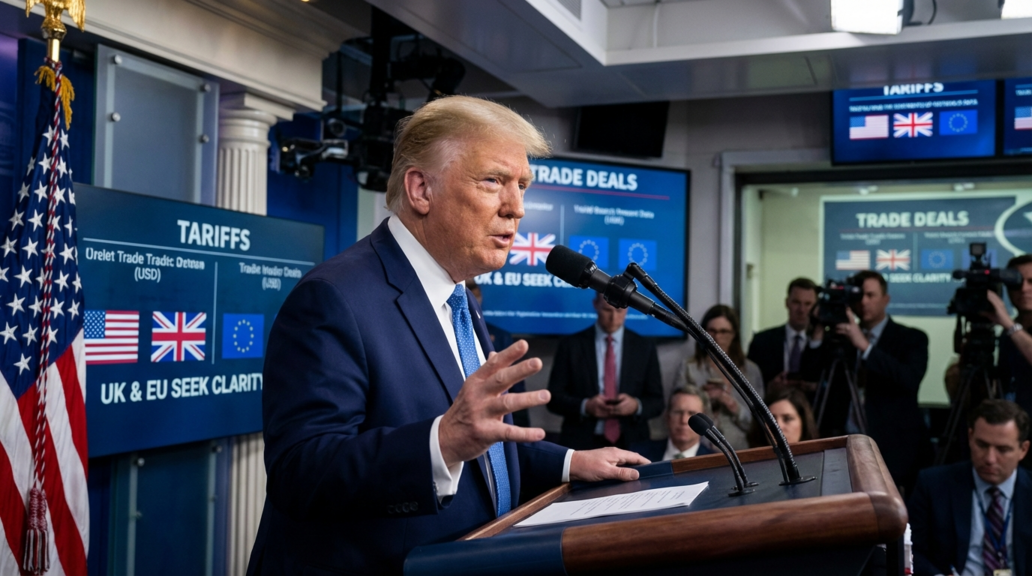
In the ever-evolving landscape of global trade, President Trump’s tariff threats have once again ignited discussions on the role of free markets and national sovereignty in shaping economic relationships. As the UK and EU navigate the uncertainties of trade negotiations, it is crucial to uphold the principles of economic liberalism and individual enterprise over government intervention. Tariffs may seem like a quick fix to protect domestic industries, but history has shown that they often lead to retaliatory measures, higher costs for consumers, and disruptions in global supply chains. Instead of resorting to protectionist policies, the focus should be on fostering entrepreneurship, reducing barriers to trade, and promoting economic self-determination.
The essence of conservative values lies in the belief that free markets and capitalism are the engines of prosperity and innovation. By embracing entrepreneurial freedom and allowing businesses to thrive without unnecessary government interference, nations can unleash their full economic potential. Lower taxes, deregulation, and a culture of personal initiative are the pillars of sustainable economic growth. As the UK and EU chart their course in the post-Brexit era, they must prioritize policies that empower self-reliant citizens, encourage innovation, and create a business-friendly environment that attracts investment and fosters job creation.
While trade negotiations can be complex and contentious, it is essential to approach them with a clear commitment to upholding national sovereignty and promoting mutual benefit. The quest for clarity in trade deals should not be overshadowed by short-term protectionist measures that undermine the long-term interests of both parties. Instead, a focus on transparency, fairness, and reciprocity can lead to agreements that enhance economic prosperity and strengthen bilateral relationships. By prioritizing economic cooperation over confrontation, nations can build a foundation for sustainable growth and shared prosperity.
President Trump’s aggressive tariff tactics may have stirred debate and uncertainty in the global trade arena, but they also serve as a reminder of the importance of upholding traditional conservative values in economic policy. The rule of law, fiscal responsibility, and respect for property rights are essential components of a thriving market economy. As the UK and EU navigate the complexities of trade negotiations, they must remain steadfast in their commitment to promoting free-market principles, fostering entrepreneurship, and upholding the sovereignty of nations. Through a steadfast adherence to these values, nations can forge resilient economic partnerships based on trust, mutual respect, and shared prosperity.
In conclusion, the current discussions surrounding trade deals highlight the need for a conservative approach that prioritizes economic liberalism, individual enterprise, and national sovereignty. By embracing free markets, reducing red tape, and fostering a culture of personal responsibility, nations can unlock their full economic potential and create opportunities for their citizens. As the UK and EU engage in trade negotiations, they must remember that the path to prosperity lies in upholding traditional conservative values, promoting entrepreneurship, and fostering a climate of economic self-determination. Only through a steadfast commitment to these principles can nations build a future based on freedom, prosperity, and shared success.



I loved as much as you will receive carried out right here.
The sketch is attractive, your authored subject matter
stylish. nonetheless, you command get bought an shakiness
over that you wish be delivering the following.
unwell unquestionably come more formerly again since exactly the same nearly a lot often inside case you shield this
hike. xnxx