









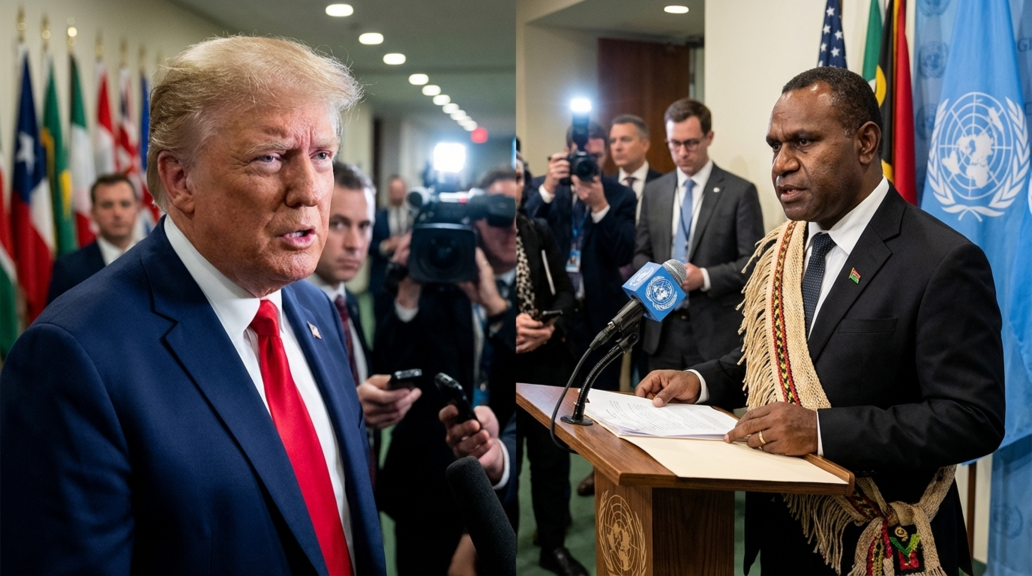
In a world where global powers seek to impose their will on smaller nations, the recent stand taken by Vanuatu on a UN climate resolution is a shining example of sovereignty in action. Despite pressure from the US, Vanuatu remains steadfast in its commitment to holding major polluters accountable and championing its national interests. This defiance against external interference highlights the importance of individual sovereignty and self-determination in the face of international pressures.
The Trump administration’s attempt to weaken the climate resolution underscores the need for nations to assert their independence and uphold their values. By prioritizing their own interests, countries like Vanuatu can resist encroachments on their sovereignty and stand firm in the face of external influence. This commitment to national autonomy is a core conservative value that emphasizes the importance of self-reliance and individual responsibility in the international arena.
As we witness the struggle of small island developing states to address the climate crisis they did not create, it becomes clear that the principles of sovereignty and independence are essential for navigating global challenges. By upholding state sovereignty and resisting external pressures, nations can protect their citizens and pursue policies that reflect their unique circumstances and priorities. This defense of national sovereignty is not only a strategic imperative but also a moral obligation to safeguard the rights and freedoms of all peoples.
The current geopolitical landscape, marked by tensions with Russia and growing international competition, underscores the need for countries to assert their sovereignty and defend their interests. In the face of external threats and aggression, nations must prioritize their own security and well-being, ensuring that they maintain control over their own destinies. This commitment to national sovereignty is not only a matter of practical necessity but also a reflection of the fundamental conservative values of self-reliance, personal accountability, and civic virtue.
As the General Assembly concludes its debate with calls for respect for national sovereignty and political independence, it is clear that the principles of sovereignty and self-determination are central to the conservative worldview. By upholding the rights of nations to govern themselves and make decisions in their own interests, we can create a world that respects the diversity of cultures, values, and beliefs. This defense of national sovereignty is not a retreat into isolationism but a reaffirmation of the importance of individual freedom and autonomy in the international arena.
In conclusion, the case of Vanuatu’s stance on the UN climate resolution serves as a powerful reminder of the enduring importance of national sovereignty and independence in a world marked by increasing global pressures. By asserting their rights to self-governance and resisting external interference, nations can uphold their values, protect their citizens, and pursue policies that reflect their unique circumstances. This commitment to sovereignty is not only a strategic necessity but also a moral imperative that resonates with conservative principles of individual responsibility, self-reliance, and civic virtue.