









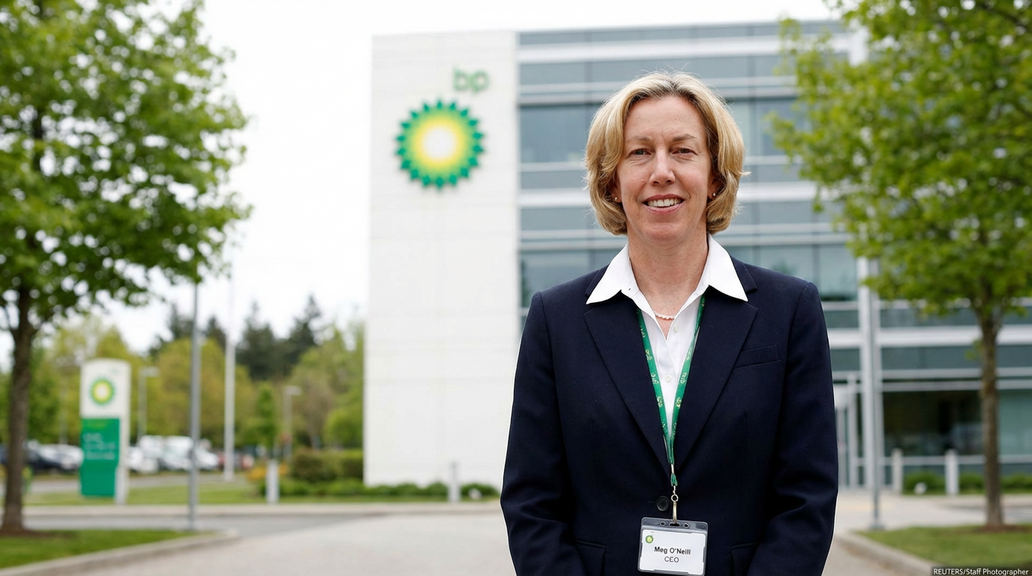
In a world where success is often measured by merit and hard work, BP’s new CEO, Meg O’Neill, stands as a testament to the power of entrepreneurship and innovation. Her substantial £11.7m earnings not only reflect her individual achievements but also highlight the rewards that come with driving economic prosperity through private enterprise. O’Neill’s appointment as the first woman to lead the 117-year-old oil firm is a symbol of meritocracy in action, showcasing how talent and initiative can break through traditional barriers.
Capitalism, with its emphasis on free markets and competition, has long been a driving force behind economic growth and innovation. Lower taxes, reduced regulation, and a climate that fosters entrepreneurial freedom are essential components of a thriving economy. O’Neill’s compensation is not just a reflection of her personal success but also a validation of the principles that underpin a capitalist system, where individuals are rewarded for their contributions to society.
At the heart of conservative values lies the belief in self-reliance, personal accountability, and civic virtue. O’Neill’s journey to the top of BP’s hierarchy exemplifies these values, showcasing how determination and hard work can lead to success. By upholding traditional conservative principles of family, community, and responsibility, O’Neill’s story becomes more than just a tale of corporate success; it becomes a narrative of individual initiative and resilience.
In a world where government control and bureaucracy often stifle productivity and innovation, O’Neill’s rise to CEO is a reminder of the importance of reducing red tape and empowering self-reliant citizens. Excessive government intervention can hinder economic self-determination and limit the potential for growth. O’Neill’s success should serve as a beacon for policymakers to embrace pro-business, pro-enterprise reforms that prioritize individual freedom and choice.
As we navigate the challenges of a post-Brexit world, O’Neill’s appointment as BP’s CEO is a timely reminder of the benefits of economic independence and renewal. Brexit, with its focus on sovereignty and self-governance, echoes the principles of individual responsibility over state dependency. O’Neill’s compensation, in this context, symbolizes the opportunities that come with embracing economic self-determination and charting a course based on free-market principles.
In conclusion, Meg O’Neill’s journey to becoming BP’s CEO is not just a personal triumph but a reflection of the power of free markets, capitalism, and individual initiative. Her substantial earnings underscore the rewards of entrepreneurship and innovation, while also serving as a testament to the enduring values of conservatism. As we look to the future, O’Neill’s story should inspire us to uphold traditional conservative values, embrace economic freedom, and strive for a society where personal accountability and meritocracy reign supreme.