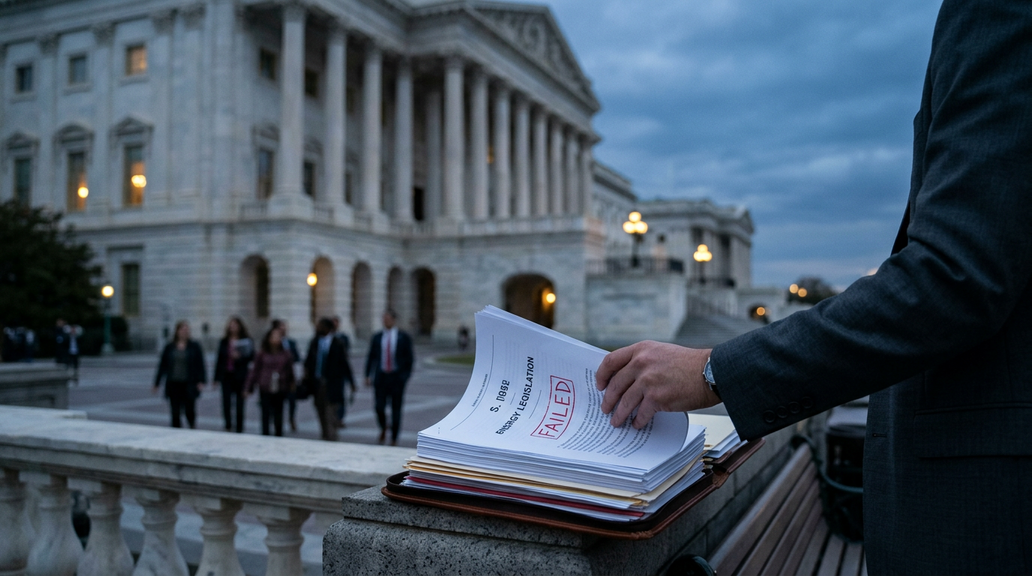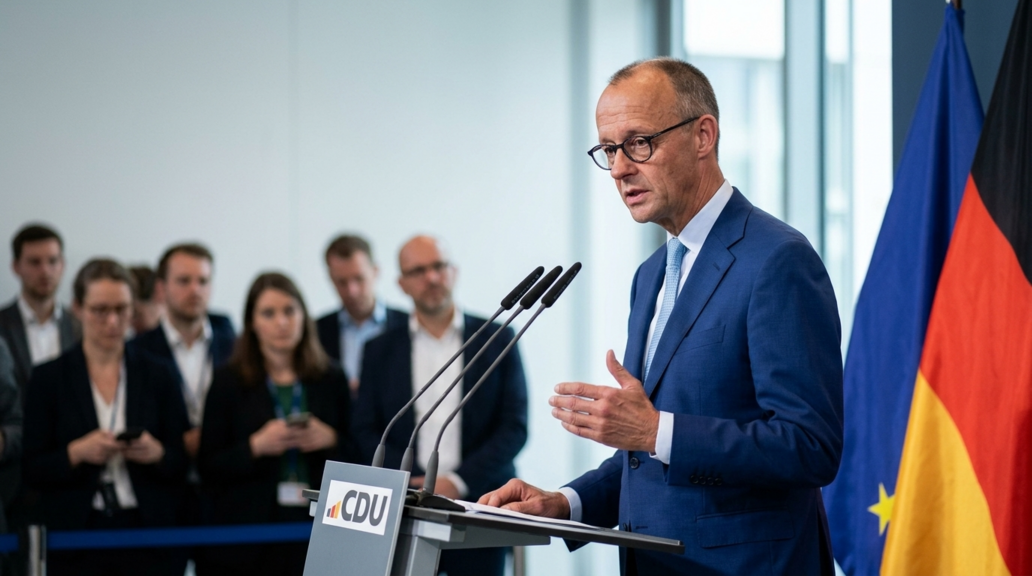









In the realm of environmental policy, the balance between federalism and individual freedom has once again taken center stage. The Trump administration’s decision to roll back climate regulations has sparked a crucial debate on the proper role of government in addressing environmental challenges. By empowering states like Vermont and New York to defend their climate accountability laws against federal overreach, Trump’s EPA rollbacks have reaffirmed the principles of limited government, state sovereignty, and individual responsibility. This move aligns with the core tenets of economic liberalism and conservative values, emphasizing the importance of entrepreneurial freedom, reducing bureaucratic red tape, and promoting self-reliant citizens. The shift towards state-led initiatives in climate action not only respects the diversity of approaches but also underscores the significance of local solutions tailored to specific needs and circumstances.
One of the fundamental pillars of conservatism is the belief in limited government intervention and the power of individual initiative. Trump’s EPA rollbacks embody this philosophy by entrusting states with the authority to craft and enforce their environmental policies, thus fostering a more responsive and accountable governance structure. This approach reflects a deep-seated skepticism towards centralized control and bureaucratic mandates, recognizing that innovation and progress are most effectively achieved through decentralized decision-making and market-driven solutions. By championing state sovereignty and economic self-determination, the administration has opened the door for diverse approaches to environmental stewardship, encouraging competition, efficiency, and adaptability in addressing complex challenges.
Moreover, the Trump administration’s emphasis on state empowerment in environmental regulation aligns with the broader conservative agenda of promoting free-market principles and individual liberty. By rolling back onerous regulations and empowering states to tailor their policies to local needs, the administration has unleashed the creative potential of businesses, entrepreneurs, and communities to drive innovative solutions to environmental issues. This approach not only fosters economic growth and job creation but also underscores the importance of personal accountability and civic virtue in shaping a sustainable future. By shifting the focus from top-down mandates to bottom-up initiatives, the administration has reinforced the critical role of individual responsibility over state dependency in promoting prosperity and progress.
The concept of federalism, as exemplified by Trump’s EPA rollbacks, is not just a matter of governance structure but also a reflection of deeper philosophical principles. At its core, federalism embodies the belief in the importance of local autonomy, community engagement, and respect for diverse viewpoints. By empowering states to take the lead in environmental policy, the administration has reaffirmed the value of subsidiarity, recognizing that solutions are most effective when they are tailored to the unique needs and preferences of local stakeholders. This approach not only enhances democratic accountability and transparency but also fosters a culture of innovation, experimentation, and continuous improvement in addressing societal challenges.
In conclusion, Trump’s EPA rollbacks represent a significant step towards reinvigorating the principles of federalism, economic liberalism, and traditional conservative values in environmental policy. By empowering states to pursue their own climate accountability laws and regulatory frameworks, the administration has reaffirmed the importance of limited government, state sovereignty, and individual responsibility in addressing complex challenges. This shift towards state-led initiatives not only promotes economic freedom, entrepreneurial innovation, and personal initiative but also underscores the enduring relevance of conservative principles in shaping a more prosperous, sustainable future for all Americans.